Crisis in Borno: 37 Students Kidnapped as Markets Pivot to Small-Caps and Gold
بحران در نیجریه: ربودن ۳۷ دانشآموز همزمان با چرخش بازارها به سمت طلا و سهام کوچک
A mass kidnapping in Nigeria's Borno state has reignited security fears in West Africa, while global markets react to dovish Fed signals and a resurgence in small-cap stocks. In Tehran, the USD and gold prices continue to climb as the nation prepares for high-stakes funeral ceremonies.
At time of publishing
USD
175,150
Toman
Gold 18K
17.38M
Toman / gram
Bitcoin
$61,222
US Dollar
Tether
176,000
Toman
Jihadist Kidnapping in Borno: 37 Students Missing
In a chilling reminder of the persistent insecurity in West Africa, at least 36 students and one staff member have been abducted from a secondary school in Lassa, Borno state, Nigeria. Gunmen stormed the facility during national examinations, leaving behind a scene of chaos with exam papers and schoolbags scattered across abandoned classrooms. This latest mass kidnapping highlights the failure of regional security apparatuses to protect vulnerable educational institutions from jihadist groups that have plagued the region for over a decade.
For global observers and investors, this event is more than a localized tragedy; it serves as a volatility signal for the broader West African economy. Nigeria, a key energy producer, continues to struggle with internal stability, which complicates infrastructure projects and foreign direct investment. The desperation of parents taking to the streets in Borno underscores a growing social unrest that could further destabilize the region's recovery efforts. As rescue teams search for the missing, the international community is once again forced to confront the high human cost of the ongoing insurgency.

Goldman Sachs Identifies Three Pillars of the Small-Cap Revival
While large-cap tech has dominated the headlines for years, Goldman Sachs strategists are now pointing to a significant shift toward small-cap stocks, represented by the Russell 2000 index. According to recent analysis, three primary catalysts are driving this outperformance: the integration of AI across smaller industrial sectors, a robust macroeconomic backdrop, and a surge in biotechnology valuations. This shift suggests that the "Magnificent 7" dominance may be broadening, allowing investors to find value in companies that were previously overlooked during the high-interest-rate era.
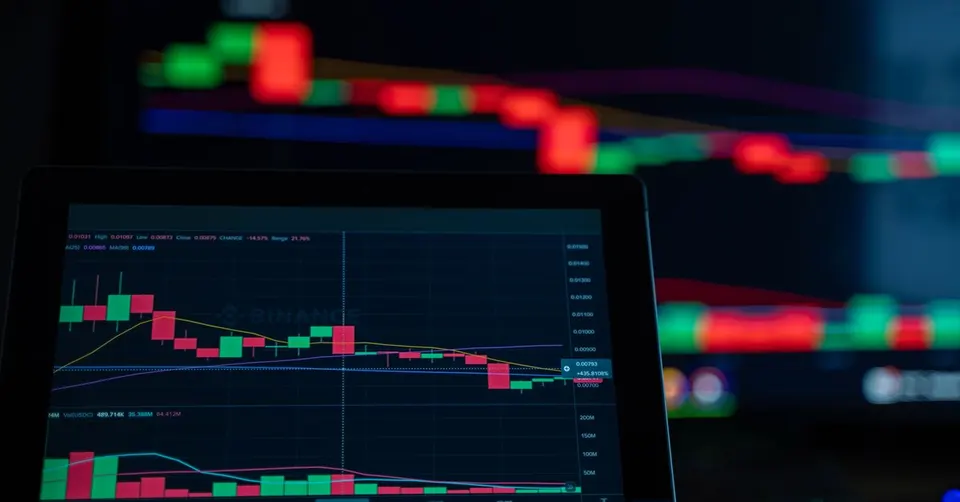
This market rotation is further supported by dovish signals from the Federal Reserve. Fed Chair Kevin Warsh recently indicated that inflation risks have softened, providing the necessary breathing room for smaller companies that are typically more sensitive to borrowing costs. This sentiment has also spilled over into the crypto markets, where Bitcoin rose over 4% to trade above $61,222. The convergence of stabilizing inflation and technological optimism is creating a unique window for diversified portfolios, though risks remain if the economic data takes an unexpected turn toward recession.
Tehran Markets: Gold and USD Rise Amid Regional Mourning
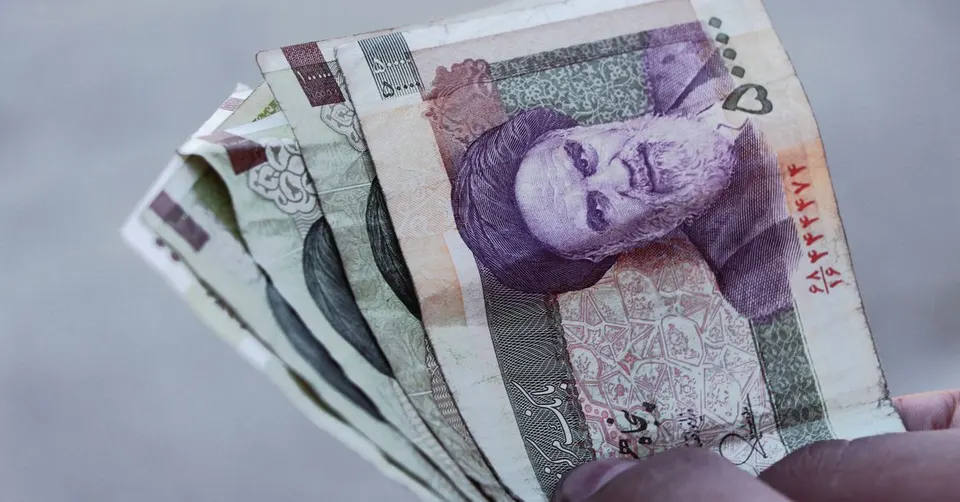
The Iranian domestic market is experiencing a period of heightened volatility as the nation prepares for the funeral ceremonies of Ayatollah Khamenei. In the last 24 hours, the USD/IRR exchange rate moved from 173,850 to 175,150, marking a 0.7% increase. This upward pressure on the Rial is mirrored in the precious metals market, where Gold 18k per gram rose from 17,203,010 to 17,383,074 Toman (+1.0%), and the Emami coin surged by 1.4% to reach 177,000,000 Toman.
These price movements reflect a classic flight to safety by domestic investors seeking to hedge against political uncertainty. As President Pezeshkian declares a "new era" for the Islamic Republic, the market is closely watching for signs of policy continuity or shift. The ongoing talks in Doha, mediated by Qatar, remain a critical focal point; however, significant breakthroughs are unlikely until the mourning period concludes. For now, the combination of regional geopolitical tension and high global gold prices—currently at $4,066.70 per ounce—is keeping the Iranian market in a state of high alert.
Global Geopolitical Brief: Apologies and Environmental Crises
In Europe, UK Prime Minister Keir Starmer has issued a historic government apology for the "forced adoption" scandal that occurred between 1949 and 1976. During this period, approximately 185,000 babies were taken from unmarried mothers, a practice Starmer labeled a "stain on our history." This move is part of a broader trend of Western governments addressing historical grievances to foster social cohesion, though it also opens the door for potential compensation claims that could impact long-term fiscal planning.
Meanwhile, West Africa is facing a different kind of crisis as torrential rains and floods have claimed 59 lives in Côte d’Ivoire. The humanitarian disaster has also affected Ghana, Benin, and Togo, disrupting supply chains for key agricultural commodities like cocoa. As climate-related disasters become more frequent and severe, the economic toll on developing nations continues to mount, requiring significant international aid and infrastructure investment to prevent recurring tragedies of this scale.
Watch
37 students missing in Nigeria after yet another jihadist kidnapping • FRANCE 24 English
FRANCE 24 English
Frequently Asked Questions
Why did the kidnapping in Borno affect global market sentiment?
What are the three factors Goldman Sachs cited for the small-cap stock rally?
Why is the price of gold rising in Iran despite high global prices?
Understanding Safe-Haven Assets Amidst Global Instability
In times of geopolitical unrest, economic uncertainty, or market volatility, investors often seek refuge in what are known as Safe-Haven Assets. These are investments expected to retain or even increase in value during periods of market turmoil, offering a crucial layer of protection against losses when other assets might be plummeting. The headline's mention of a crisis in Borno alongside markets pivoting to gold perfectly illustrates this concept: as instability rises, the demand for reliable stores of value tends to surge.
The defining characteristic of a safe-haven asset is its low correlation with the broader market. When stocks or other riskier investments are falling, safe havens typically hold their ground or move in the opposite direction. Gold is the quintessential example, having served as a universal store of value for millennia. Its tangible nature and historical resilience against inflation and currency devaluation make it a primary choice. Beyond gold, other traditional safe havens include certain stable government bonds (like U.S. Treasuries or German Bunds) and strong, stable currencies such as the U.S. Dollar, Japanese Yen, or Swiss Franc.
Events like the security crisis in West Africa, as hinted by the Borno kidnapping, or concerns over currency stability, reflected in the USD to IRR exchange rate, act as powerful catalysts for this shift in investor sentiment. Such crises foster an environment of fear and uncertainty, prompting a flight to quality. While some might debate its long-term status, even cryptocurrencies like Bitcoin are increasingly viewed by some as a potential digital safe haven, though its volatility remains a significant factor.
The "pivot" mentioned in the headline — a shift in market focus — is a direct manifestation of this risk aversion. Investors reallocate capital from assets perceived as more vulnerable to the prevailing instability, such as certain small-capitalization stocks (depending on the specific market context), towards those that promise greater security and preservation of wealth. This strategic move, driven by a desire to protect portfolios from the fallout of crises, underscores the enduring importance of safe-haven assets in global finance.