Kyiv Under Siege: Russian Attacks Intensify Amid Global Concerns
کیف تحت محاصره: حملات روسیه شدت میگیرد در میان نگرانیهای جهانی
Kyiv faces escalating Russian attacks, marking a significant geopolitical tension. Meanwhile, India's strategic moves in energy markets highlight economic shifts. These stories emphasize global instability affecting regional economies.
At time of publishing
USD
175,150
Toman
Gold 18K
17.41M
Toman / gram
Bitcoin
$61,160
US Dollar
Tether
176,614
Toman
Kyiv Under Siege: Russian Attacks Intensify
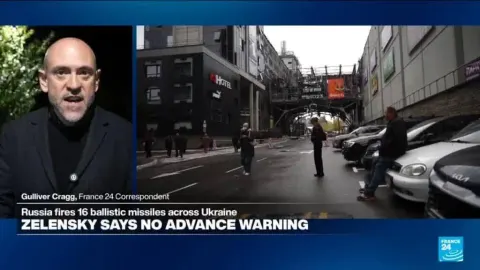
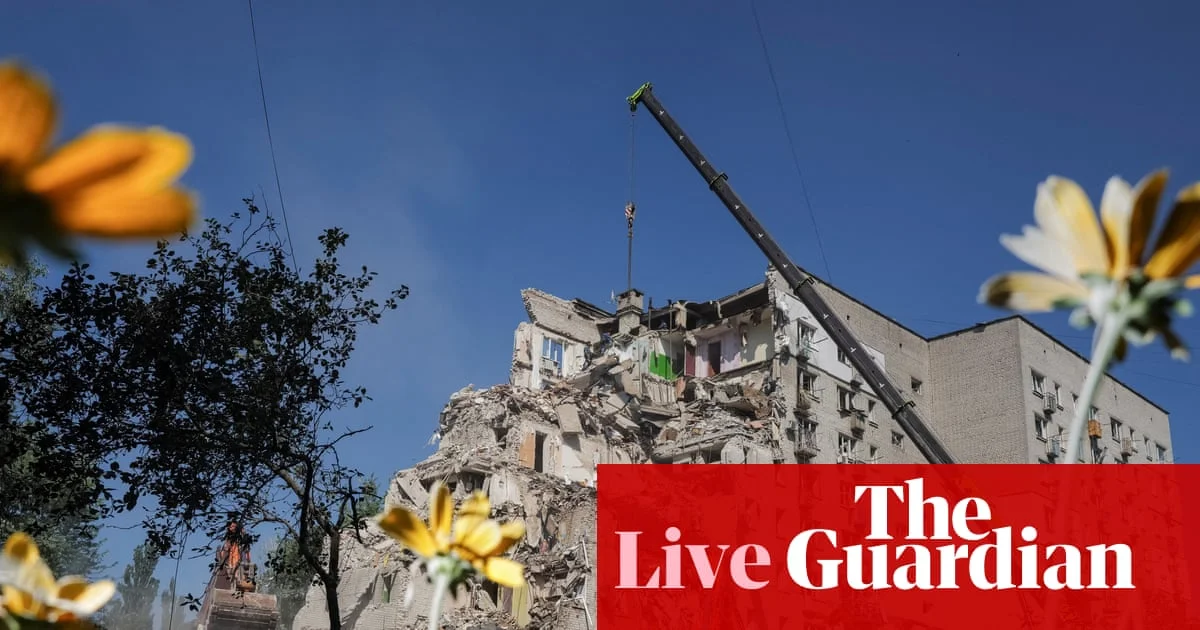
The city of Kyiv is enduring severe bombardment as Russia escalates its military actions against Ukraine. Recent reports indicate that at least 20 people have been killed, with extensive damage recorded in over 30 locations across the city. Many of these targets are ordinary residential buildings, underscoring the indiscriminate nature of these attacks. Ukrainian President Volodymyr Zelenskyy has urged European nations to act swiftly against companies that continue to supply essential materials to Russia, which are believed to be fueling the Kremlin's war efforts.
This intensification of hostilities marks a critical moment in the ongoing conflict, as Russia openly threatens to increase pressure on Kyiv. The geopolitical ramifications are significant, with potential impacts on global markets, energy supplies, and regional stability. For Iran and its neighbors, the conflict raises concerns about energy security and economic repercussions, given the interconnectedness of global trade and finance.

India's Energy Moves: Covering Oil Shock Costs
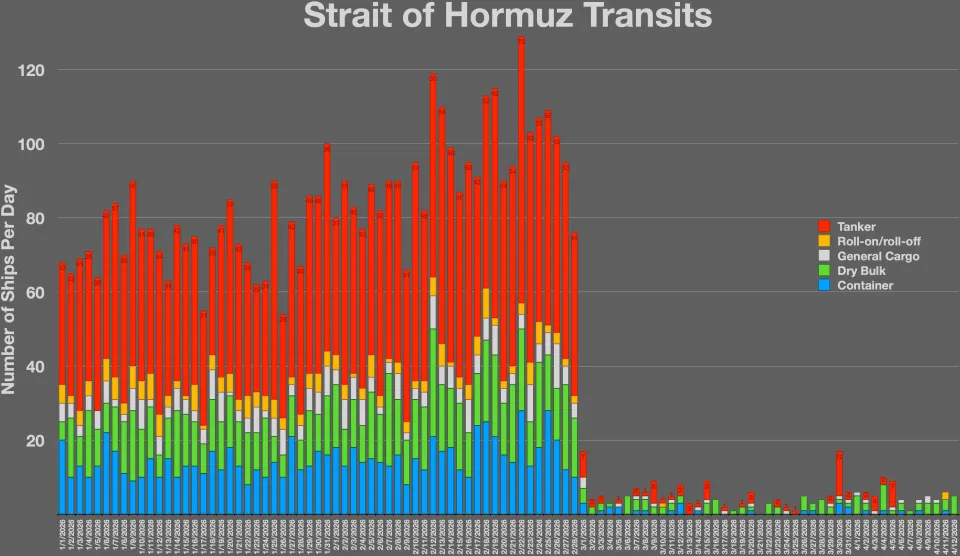
India is rapidly advancing plans to sell stakes in major state-owned companies, a move designed to mitigate the financial strain caused by recent oil market shocks. The closure of the Strait of Hormuz, a critical chokepoint in global oil transport, has pressured India to seek alternative revenue streams to cover the increased costs. By selling stakes in eight state-owned enterprises, including major insurers and banks, the Indian government hopes to raise substantial funds, potentially around $1 billion per company.
The decision highlights the broader economic shifts driven by geopolitical tensions and market fluctuations. For Iran and other oil-dependent economies, India's strategy could signal a shift in regional power dynamics, as nations adapt to the volatile energy landscape. These developments may also influence the global perception of regional economic stability and investment attractiveness.
Vatican Crisis: Excommunication of Society of St. Pius X
In a significant religious and political development, the Vatican has excommunicated the Society of St. Pius X for consecrating new bishops without papal approval. This decision represents a major crisis for Pope Leo XIV, as it challenges the authority of the papacy and reveals deep-seated divisions within the Catholic Church. The excommunication underscores the complexities of maintaining unity and doctrinal adherence in a rapidly changing world.
The implications of this crisis extend beyond religious circles, affecting geopolitical relations and potentially influencing global perceptions of religious leadership. For markets and political analysts, the event highlights the intricate interplay between religion, politics, and global stability, offering insights into the broader socio-political currents shaping the world.

German Economic Strategies Amid Political Shifts
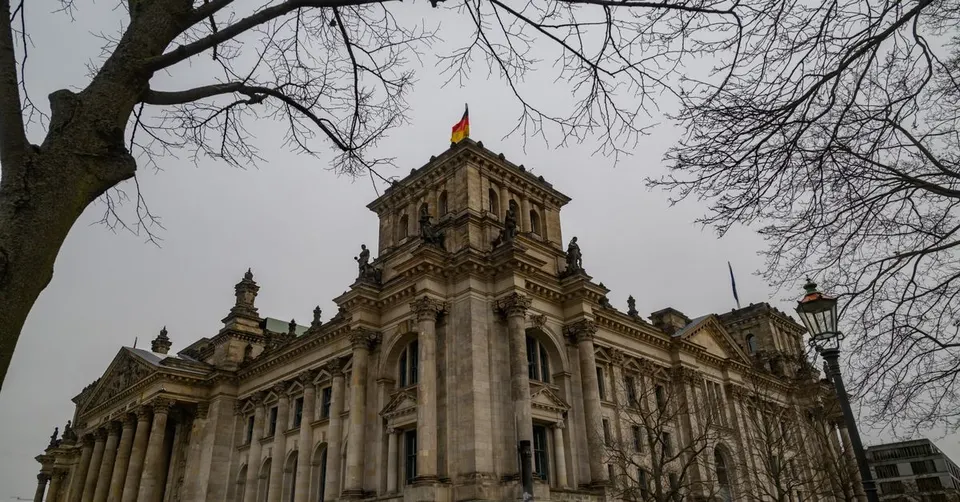
Germany is taking proactive measures to bolster its economy in response to the rising influence of far-right political movements. Chancellor Friedrich Merz, in collaboration with center-left partners, has initiated a series of politically challenging compromises aimed at stimulating economic growth and addressing the concerns of the electorate. This strategy reflects the broader struggles of European nations to balance economic stability with political pressures.
As Europe's largest economy, Germany's actions are closely watched by global markets and political observers. The country's ability to navigate these challenges will have significant implications for the European Union's economic health and its role in international trade. For Iran and other regional economies, Germany's economic policies could influence trade relations and investment flows, reinforcing the interconnectedness of global economic systems.
Frequently Asked Questions
What is the current situation in Kyiv?
How is India responding to the oil market disruptions?
What is the significance of the Vatican's excommunication decision?
How are Germany's economic strategies evolving?
Why do these geopolitical events matter globally?
Understanding Geopolitical Risk in Global Markets
Geopolitical risk refers to the potential for political events, conflicts, or instability between nations or regions to disrupt global economic activity. These risks can stem from wars, trade disputes, political coups, or even major policy shifts in influential countries. Unlike traditional market risks that are tied to economic fundamentals, geopolitical risks introduce an unpredictable external variable that can dramatically alter supply chains, investment flows, and commodity prices, often with little warning.
One of the most immediate and visible impacts of geopolitical risk is on energy markets, particularly crude oil. When major oil-producing regions or critical transit routes are threatened by conflict, the perceived risk of supply disruption can cause oil prices to surge. This "geopolitical premium" reflects the extra cost traders are willing to pay due to uncertainty, even if actual supply hasn't been cut yet. The ongoing conflict in Ukraine, for instance, has significantly elevated geopolitical risk, leading to heightened volatility and price spikes in global oil and gas markets as nations reassess energy security and diversify supply.
Beyond immediate price fluctuations, sustained geopolitical risk can trigger broader economic consequences. It can deter foreign direct investment, increase inflation through higher commodity costs, and force governments to re-evaluate their economic policies and alliances. Countries like India might adjust their energy strategy to secure supplies from alternative sources, while major economies like Germany might face pressure to accelerate transitions away from reliance on specific energy providers. Ultimately, understanding geopolitical risk is crucial for comprehending how political instability in one region can ripple through global finance, trade, and the daily lives of people worldwide.