Kyiv Strikes Escalate: Iranian Market Reactions and Crypto Sanctions
تشدید حملات کییف: واکنشهای بازار ایران و تحریمهای رمزنگاری
As Russian attacks intensify in Kyiv, the Iranian market reacts with shifts in currency and precious metal prices. Meanwhile, U.S. sanctions target crypto linked to ISIS-K, impacting global crypto sentiment.
At time of publishing
USD
175,050
Toman
Gold 18K
17.59M
Toman / gram
Bitcoin
$61,689
US Dollar
Tether
176,309
Toman
Russian Strikes on Kyiv Worsen, Impacting Markets Globally
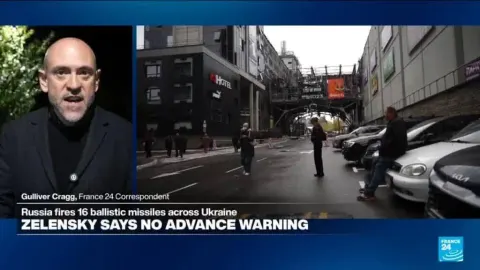
The situation in Kyiv has taken a dire turn as Russian forces intensify their attacks, leading to a tragic increase in the death toll to 21, with over 80 injured. The strikes have predominantly targeted residential areas, causing widespread destruction and panic. This escalation has raised international alarm, with potential ramifications on European and global markets, especially concerning energy and commodity prices.
Iranian markets are particularly sensitive to these developments due to their geopolitical implications. The escalation may lead to further international sanctions on Russia, which could impact global oil and gas supplies—a critical concern for Iran, a major player in the energy sector. As tensions rise, there's also a notable impact on currency markets, with the Iranian Toman experiencing fluctuations. The USD/IRR rate increased from 173,850 to 175,050, marking a 0.7% rise. This reflects broader market anxieties and a potential increase in demand for safe-haven assets like the US dollar.

Iranian Market Reactions: Gold and Currency Fluctuations
In response to the geopolitical tensions and the ongoing crisis in Ukraine, Iranian markets have seen significant shifts, particularly in the pricing of precious metals and currency exchange rates. The price of 18k gold per gram rose from 17,203,010 to 17,590,839 Tomans, a 2.3% increase, indicating heightened demand for gold as a safe-haven asset amid global uncertainty.
Additionally, the Emami coin, a popular investment in Iran, saw its price increase from 174,500,000 to 177,000,000 Tomans, reflecting a 1.4% rise. These shifts underscore the market's volatility and the broader economic anxieties faced by Iranian investors. As the conflict in Ukraine continues to unfold, Iranian consumers and investors are bracing for further economic impacts, which could affect everything from daily expenses to larger investment strategies.

U.S. Sanctions on Cryptocurrencies Linked to ISIS-K
In a significant move, the U.S. Treasury has imposed sanctions on over 100 cryptocurrency addresses associated with ISIS-K, which allegedly facilitated the transfer of over $1.4 million. This action highlights the increasing role of digital currencies in global sanctions enforcement and the challenges of regulating decentralized financial systems.
The sanctions have had immediate effects on the crypto market, with Bitcoin and other cryptocurrencies experiencing heightened volatility. In Iran, where cryptocurrencies are often used as a hedge against currency devaluation, these developments could alter the dynamics of local crypto trading. The price of Bitcoin currently stands at $61,689, but the market remains on edge as traders adjust to the implications of these sanctions. This situation illustrates the intricate link between geopolitical events and digital asset markets, reinforcing the need for careful monitoring and strategic adjustments by crypto investors.
Australia’s Wealth Gap Widens Amid Global Economic Shifts
Australia is witnessing a significant widening of its wealth gap, with median wealth falling by nearly 7% since 2020, despite the richest segments of the population seeing their fortunes grow. This discrepancy, highlighted in a UBS report, points to broader global economic shifts that are reshaping wealth distribution patterns.
The report reveals that more than 25,000 Australians became millionaires last year, yet the overall wealth of middle Australia is declining. This trend is indicative of a growing divide that mirrors similar patterns in other developed economies, where economic recovery post-pandemic is uneven. For global investors and policymakers, these findings underscore the challenges of achieving equitable economic growth and the potential socio-economic tensions that such disparities might provoke.

Conclusion
As geopolitical tensions and economic shifts continue to unfold, markets around the world, including Iran, are responding with notable volatility. From the impacts of Russian aggression in Kyiv to U.S. sanctions on cryptocurrencies, these developments highlight the interconnectedness of global economies and the crucial need for strategic adaptation by investors and policymakers alike.
Frequently Asked Questions
How has the Russian attack on Kyiv affected Iranian markets?
What are the implications of U.S. sanctions on ISIS-K crypto addresses?
Why is Australia's wealth gap widening?
What is the current price of Bitcoin in Iran?
How are Iranian investors reacting to global economic uncertainties?
Sanctions Evasion and the Rise of Cryptocurrencies
Sanctions are powerful foreign policy tools used by nations or international bodies to pressure targeted states, entities, or individuals into changing their behavior. These measures, which can range from trade embargoes and asset freezes to travel bans, primarily work by isolating the target from the global financial system and international markets. The intended effect is to inflict economic pain severe enough to compel compliance, but they often lead to concerted efforts by the sanctioned parties to find ways to circumvent these restrictions and maintain economic viability.
Historically, sanctions evasion involved complex networks of shell companies, illicit trade routes, and cash smuggling. However, the advent of cryptocurrencies has introduced a new, technologically advanced frontier for bypassing traditional financial controls. Cryptocurrencies, with their decentralized nature and often pseudonymous transactions, operate outside the conventional banking system that governments typically monitor. This makes them attractive to sanctioned entities, allowing them to transfer value across borders, conduct trade, and even fund operations without relying on banks that adhere to international sanctions regimes.
While cryptocurrencies offer a potential lifeline for those under sanctions, they also present significant challenges for enforcement agencies. Governments and international bodies like the Financial Action Task Force (FATF) are actively developing regulations and technologies to track and disrupt illicit crypto flows. The global pursuit of entities like ISIS-K using crypto for financing, or nations like Iran exploring crypto for international trade, highlights the ongoing cat-and-mouse game between those seeking to impose and those seeking to evade financial restrictions in an increasingly digitized world. The effectiveness of sanctions in the future will heavily depend on the ability of regulators to adapt to these evolving methods of evasion.