Venezuelan Housing Disaster Shocks Region; Dollar Shipments to Iraq Resume
فاجعه مسکن در ونزوئلا منطقه را شوکه میکند؛ ازسرگیری ارسال دلار به عراق
A devastating building collapse in Venezuela highlights regional vulnerabilities, while the US resumes dollar shipments to Iraq, impacting regional economies and currency markets.
At time of publishing
USD
175,050
Toman
Gold 18K
17.57M
Toman / gram
Bitcoin
$61,151
US Dollar
Tether
176,656
Toman
Venezuelan Housing Disaster Highlights Regional Vulnerabilities
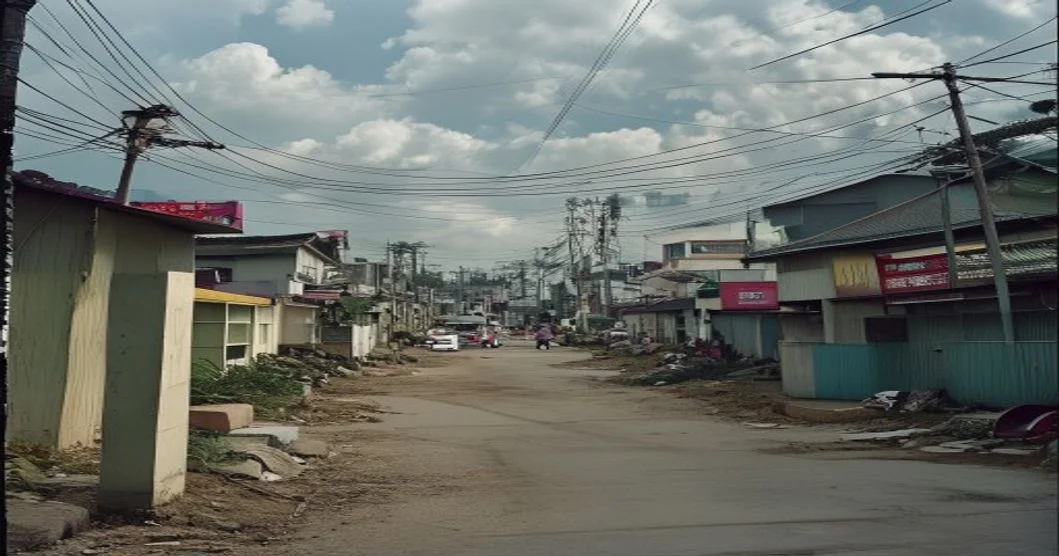
A catastrophic building collapse in La Guaira, Venezuela, has drawn international attention to the region's infrastructure vulnerabilities. The disaster, captured in a stark aerial image, reveals the aftermath of an earthquake that struck the housing project, leaving significant damage and prompting urgent humanitarian concerns. This event underscores the fragility of infrastructure in many parts of Latin America, where economic constraints often lead to inadequate building standards.
The implications of such disasters extend beyond immediate humanitarian needs. They highlight potential economic risks and the necessity for international aid and investment in infrastructure development. For Iran, a key regional player with interests in Latin America, the disaster emphasizes the importance of addressing similar vulnerabilities at home, particularly in earthquake-prone areas. This could influence Iran's economic and diplomatic strategies, potentially affecting trade and investment flows with Latin America.

U.S. Resumes Dollar Shipments to Iraq, Easing Financial Tensions
In a significant policy shift, the U.S. government has resumed shipments of dollars to Iraq, previously halted as part of pressure tactics to isolate Iran. This move marks a temporary pause in economic pressure on Baghdad and is expected to have immediate implications for the Iraqi economy, stabilizing the dinar and easing liquidity issues.
For Iran, this development is a double-edged sword. While the resumption of dollar flows to Iraq could stabilize the region's financial ecosystem, it might also reduce the leverage Iran could exert over its neighbor. This shift could impact Iran's currency expectations and trade dynamics, particularly in sectors heavily reliant on cross-border transactions. The policy change reflects broader geopolitical strategies and could signal shifts in U.S.-Iran-Iraq relations.
Labour's NHS Policy Sparks Economic and Political Debate
A recent report has revealed that the UK’s Labour party redirected billions from the NHS to appease U.S. trade demands under the Trump administration. This controversial policy decision has sparked significant political and economic debate in the UK, highlighting the tensions between domestic healthcare priorities and international trade agreements.
The decision's ramifications extend beyond British politics, offering a cautionary tale for countries like Iran, which navigate complex international relationships while balancing domestic needs. It exemplifies how global economic pressures can influence national policy, potentially affecting public services and social welfare. For Iranian policymakers, this situation underscores the importance of cautious negotiation in international agreements to safeguard national interests.

Iran Criticizes U.S. Security Summit as Public Relations Stunt
Iran's Foreign Ministry has denounced a recent U.S. regional security summit in Bahrain as a mere public relations exercise. The summit, which aimed to address security challenges in West Asia, was dismissed by Tehran as window dressing, intended to obscure the U.S.'s destabilizing role in the region.
This criticism highlights ongoing tensions between Iran and the U.S., with implications for regional stability and security dynamics. The Iranian government’s stance reflects its long-standing view of U.S. military presence in the region as a threat to sovereignty and peace. This narrative is crucial for Iranian domestic politics, reinforcing nationalistic sentiments and justifying Iran’s regional policies.
Cryptocurrency Ventures and Market Impacts
In the world of cryptocurrency, recent revelations concerning former President Trump's ventures have sparked controversy. Reports indicate he profited significantly from crypto deals, which resulted in substantial losses for many investors. This situation has highlighted the volatile nature of cryptocurrency markets and the risks involved in high-profile endorsements.
For investors in Iran and elsewhere, these developments serve as a reminder of the importance of due diligence in crypto investments. The volatile market conditions can have significant implications for personal finances and savings behavior. With the Iranian rial facing ongoing challenges, cryptocurrency remains an attractive yet risky investment avenue for many Iranians seeking to protect their savings against inflation.
Frequently Asked Questions
What caused the building collapse in Venezuela?
How will US dollar shipments to Iraq affect the region?
Why is Iran critical of the US security summit in Bahrain?
What are the economic implications of the UK Labour party's NHS policy?
What risks are associated with investing in cryptocurrency?
The Dominance of the US Dollar and the Emergence of Alternative Financial Systems
The US dollar holds an unparalleled position as the world's primary reserve currency, underpinning global trade, finance, and commodity markets. This dominance means that a vast majority of international transactions, from oil sales to cross-border investments, are denominated in or rely on the dollar. For nations like Iraq, the resumption of dollar shipments is crucial for stabilizing their economy and facilitating international trade, underscoring the dollar's indispensable role in maintaining financial stability and market access.
This pervasive influence grants the United States significant geopolitical leverage, particularly through the imposition of financial sanctions. Countries such as Iran and Venezuela, facing severe US sanctions, illustrate the profound economic consequences of being cut off from the dollar-denominated global financial system. Sanctions can cripple access to international banking, disrupt trade, and lead to currency depreciation, hyperinflation, and a scarcity of essential goods, severely impacting their national economies and citizens' livelihoods.
In response to such financial isolation and domestic currency instability, affected nations and individuals often seek alternative mechanisms. This quest can manifest in various forms, from informal dollarization (where the US dollar becomes the de facto currency for everyday transactions) to the exploration of non-dollar trade agreements and barter systems. The goal is often to circumvent traditional financial channels and reduce reliance on a currency that is subject to external control.
Cryptocurrencies have emerged as a prominent, albeit risky, alternative in this landscape. For entities in sanctioned economies, digital currencies offer a potential pathway to conduct transactions outside the conventional banking system, bypassing traditional financial intermediaries and controls. While they promise greater autonomy and resistance to censorship, cryptocurrencies also come with significant volatility, regulatory uncertainties, and potential for illicit activities, posing unique risks to users and the broader financial system.
Ultimately, the interplay between the dollar's enduring global supremacy and the persistent search for alternative financial systems highlights a critical tension in the modern world. As geopolitical dynamics shift and technological innovations advance, the push for financial autonomy will likely continue to drive the development and adoption of new payment methods, challenging the established order while navigating inherent risks.