US Officials Feared Israeli Plot to Kill Iranian Negotiators as AI Infrastructure Boom Overtakes Tech Giants
هراس واشینگتن از نقشه ترور مذاکرهکنندگان ایرانی؛ جهش ۶۰۰ درصدی زیرساختهای هوش مصنوعی در بازارهای جهانی
American officials reportedly feared that Israeli plots to assassinate Iranian negotiators could derail peace talks, while a new UBS report highlights an 'extraordinary' shift in AI investment. Meanwhile, gold prices in Tehran show a slight uptick as regional tensions remain high.
At time of publishing
USD
175,050
Toman
Gold 18K
17.80M
Toman / gram
Bitcoin
$61,984
US Dollar
Tether
176,252
Toman
US Officials Alarmed by Alleged Plot Against Iranian Negotiators
In a revelation that has sent ripples through diplomatic circles in Tehran and Washington, U.S. officials have expressed grave concerns that Israel may have been plotting to assassinate top Iranian negotiators. According to reports cited by the New York Times, the potential targets included Foreign Minister Abbas Araghchi and Parliament Speaker Mohammad Ghalibaf. The American intelligence community reportedly feared that such an escalation would not only have ended ongoing peace talks but could have triggered a full-scale regional conflagration at a time when the U.S. is pushing for a fragile ceasefire.
This development comes as Tehran is currently hosting foreign dignitaries for the funeral ceremonies of the late Supreme Leader, an event that has already drawn significant global attention to Iran's internal transition and external diplomatic posture. For the average Iranian investor, these reports add a layer of geopolitical risk that often translates into market volatility. While the USD/IRR rate remained stable today at 175,050 Toman, the underlying tension suggests that any sudden shift in the security landscape could quickly pressure the Rial.

Beyond the immediate threat of kinetic action, the diplomatic friction between Washington and Tel Aviv over how to handle Tehran remains a central theme. U.S. officials are essentially signaling that they view these specific Iranian figures as essential partners for a negotiated settlement, a stance that puts them at odds with harder-line elements in the region. This internal Western divide is being closely watched by traders who are hedging against potential disruptions in the diplomatic process.
AI Infrastructure Overtakes Hyperscalers in 'Extraordinary' Shift
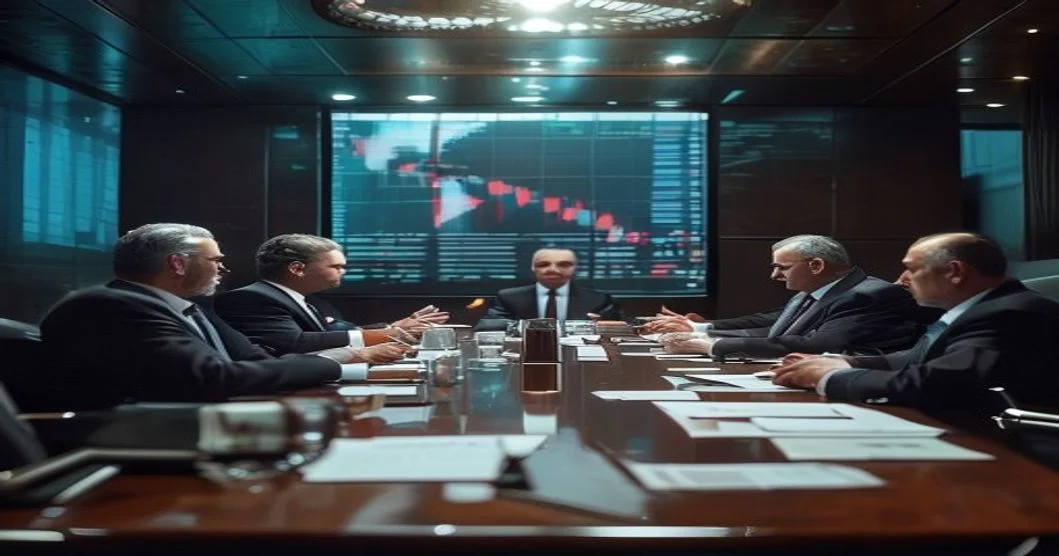
In the world of global finance, a major shift is occurring within the technology sector that is redefining where the big money is flowing. A new research report from UBS has identified what it calls an "extraordinary" trend: AI infrastructure stocks are now significantly outperforming the tech "hyperscalers" like Microsoft and Google. According to UBS, value creation in the AI infrastructure space—which includes the chips, cooling systems, and power management required to run large language models—is projected to soar by 600% over the next four years. In contrast, the software-heavy hyperscalers are expected to see a more modest 100% growth in the same period.
This pivot suggests that investors are no longer just betting on who can build the best chatbot, but rather on who owns the "shovels and picks" of the AI gold rush. For the global economy, this means a massive reallocation of capital toward physical hardware and energy infrastructure. As data centers become the new industrial hubs, the demand for specialized hardware is creating a supply-chain bottleneck that keeps valuations for infrastructure companies at record highs, even as broader market liquidity remains tight ahead of the U.S. Independence Day holiday.

For regional markets, this tech boom has indirect but powerful consequences. As global capital chases high-yield AI infrastructure in the West, emerging markets often feel the pinch of reduced liquidity. However, for tech-savvy investors in Iran and the Middle East, this data provides a clear roadmap: the real value in the coming years lies in the physical foundation of the digital world rather than just the applications built on top of it.
Legal Precedents and Social Risks in the Age of AI
As technology integrates deeper into daily life, legal systems are struggling to keep pace, as evidenced by a landmark manslaughter case in Texas. Michael Butler has been charged following a crash where his Tesla Model 3 struck and killed a 76-year-old woman. While Butler initially blamed the car’s self-driving mode, Tesla has countered that the system was disabled just before the impact. This case is becoming a pivotal test for corporate versus individual accountability in the age of automated transit, with the outcome likely to set a precedent for how insurance and criminal law handle AI-assisted accidents globally.

Simultaneously, the UK’s National Crime Agency (NCA) has issued a stark warning to parents regarding the sharing of children’s images online. The agency highlighted a growing threat where AI tools are being used to synthesize and abuse innocent family photos. This warning underscores a darker side of the AI boom: the ease with which digital content can be weaponized. For families in Iran, where social media usage is high despite restrictions, these global warnings serve as a critical reminder of the privacy risks inherent in the modern digital ecosystem.
Finally, looking at the local commodity markets, we see a reflective response to these global and regional uncertainties. Gold 18k per gram in Tehran rose from 17,660,095 to 17,798,605 (+0.8%) over the last 24 hours. This modest climb reflects a flight to safety as investors digest the news of potential assassination plots and the shifting tides of the global tech economy. While the USD remained flat at 175,050, the movement in gold suggests that the market is far from complacent.
Frequently Asked Questions
Why were US officials concerned about an Israeli plot against Iranian negotiators?
What does the UBS report say about the shift in AI investment?
How did the Tehran gold market react to these geopolitical tensions?
Geopolitical Risk: Understanding Global Instability's Impact
Geopolitical risk refers to the potential for political decisions, events, or instability in one country or region to have significant consequences for other nations, international relations, and global markets. It encompasses a broad spectrum of scenarios, extending beyond direct military conflict to include diplomatic tensions, trade disputes, sanctions, shifts in government leadership, internal political unrest, and even cyber warfare. Understanding geopolitical risk is crucial because these events can disrupt supply chains, cause energy price volatility, trigger humanitarian crises, and reconfigure international alliances, affecting everything from daily commerce to long-term investment strategies.
For curious readers, grasping this concept helps contextualize major world events. For instance, the fear of an assassination plot against negotiators, as hinted in the news, is a stark example of how geopolitical tensions can escalate rapidly and unpredictably. Such events, even if hypothetical, can send ripples through diplomatic efforts, influence foreign policy decisions, and create uncertainty in financial markets, leading investors to seek safe-haven assets or re-evaluate their portfolios.
Assessing and managing geopolitical risk is a complex endeavor for both governments and businesses. Governments employ intelligence gathering, diplomatic negotiations, and strategic alliances to mitigate threats and protect national interests. Corporations, on the other hand, develop risk management strategies that might include diversifying supply chains, hedging against currency fluctuations, or adjusting investment plans in volatile regions. The inherently unpredictable nature of geopolitical events makes them a persistent and challenging factor in international affairs, demanding constant vigilance and adaptability from all global actors.
Ultimately, geopolitical risk is a dynamic and ever-present force shaping our world. Its impact can be direct and immediate, such as a sudden disruption to oil supplies, or indirect and long-term, like the gradual erosion of trust between nations. Recognizing its various manifestations and potential ramifications is key to navigating an increasingly interconnected and often turbulent global landscape.