Global Tributes Pour into Tehran as US Marks 250th Anniversary Amid Shifting Geopolitical Alliances
ادای احترام جهانی در تهران همزمان با ۲۵۰ سالگی استقلال آمریکا و تغییر آرایش سیاسی در منطقه
As international delegations arrive in Tehran to pay respects to the late Leader, the United States celebrates its 250th anniversary with polarizing rhetoric from Donald Trump. Meanwhile, crypto markets face a massive capital requirement for the next bull run while gold prices in Iran see a slight dip.
At time of publishing
USD
175,050
Toman
Gold 18K
17.67M
Toman / gram
Bitcoin
$62,508
US Dollar
Tether
175,500
Toman
International Delegations Converge on Tehran Amid National Mourning
The diplomatic landscape in Tehran has become the focus of global attention as high-ranking officials from across the world arrive to pay their respects to the late Leader of the Islamic Revolution, Ayatollah Seyyed Ali Khamenei. Among the notable arrivals, Burkinabe Foreign Minister Karamoko Jean-Marie Traoré and a significant delegation from Turkey have visited the capital to participate in the funeral ceremonies. This influx of international representatives, including the Secretary-General of the Developing Eight (D-8) Organization, Sohail Mahmood, underscores the regional and ideological weight Iran continues to hold during this period of transition.
Beyond mere protocol, these visits signal a calculated effort by regional powers and developing nations to ensure continuity in bilateral agreements and energy security. The Secretary-General of OPEC also extended condolences to Iran’s Minister of Petroleum, a move that market analysts interpret as a sign of stability for the energy sector. For Iranian citizens and traders, these diplomatic signals are crucial; they suggest that despite the internal mourning, the framework of international trade and oil diplomacy remains intact, which has helped keep the USD/IRR rate stable at 175,050 Tomans today.

Trump’s Mount Rushmore Speech and the US 250th Anniversary
While Tehran is draped in mourning, Washington D.C. and the United States are celebrating a historic milestone: the 250th anniversary of the Declaration of Independence. However, the celebrations have taken a sharply political turn. Speaking at Mount Rushmore, Donald Trump delivered a lengthy address that combined traditional patriotism with aggressive rhetoric against what he termed the "communist menace" and a focus on immigration. This anniversary also brings a historical reflection on the 1778 alliance with France, which originally turned the tide of the Revolutionary War, highlighting how much the global order has shifted from traditional monarchies to today's complex ideological divides.
For global markets, the tone of this anniversary is more than just celebration; it is a preview of the upcoming US elections and potential shifts in foreign policy. Trump’s rhetoric suggests a return to a more isolationist or confrontational trade stance, which often drives volatility in the US Dollar and affects global risk appetite. As the US celebrates its quarter-millennium, the contrast between the nationalist fervor in the West and the strategic consolidation in the East—evidenced by the D-8 and OPEC interactions in Tehran—points toward a more fragmented global economy in the years to come.

Crypto’s Trillion-Dollar Hurdle and Local Market Shifts
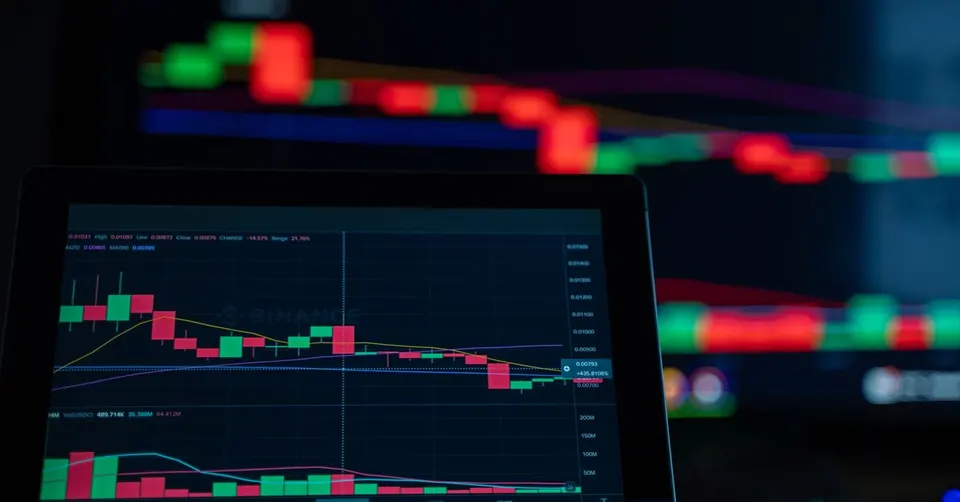
The cryptocurrency market is currently navigating a period of relative stagnation, with Bitcoin (BTC) trading at $62,508. Analysts at CoinDesk suggest that for Bitcoin to enter its next "parabolic" phase, it may require as much as $1 trillion in fresh capital. This is a staggering figure compared to previous cycles where much smaller inflows drove massive percentage gains. The maturity of the asset class means that moving the price now requires institutional-grade liquidity, much of which is currently tied up in traditional equities or waiting for clearer regulatory signals from Washington.
Locally, the Iranian market is reflecting a mix of global trends and internal sentiment. While the USD remained flat at 175,050 Tomans, Gold 18k per gram saw a decrease from 17,821,690 to 17,671,637 Tomans (-0.8%). This slight dip in gold prices, despite global uncertainty, suggests a temporary cooling of domestic demand as the public focuses on the national mourning period. Meanwhile, XRP has shown a contrarian signal, climbing 8% as data shows many long-term holders are currently at a loss—a situation that historically precedes a market bottom and a potential recovery for risk-tolerant buyers.
Regional Tensions and the Human Cost of Conflict
In the broader regional context, Parliament Speaker Mohammad Bagher Ghalibaf recently expressed gratitude to Pakistan for its support during what has been termed the "Ramadan War," highlighting the strengthening of the Tehran-Islamabad axis. This diplomatic gratitude comes as the Gaza Media Office reports a grim milestone: over 21,500 children have been killed in the 1,000 days since the escalation of the conflict in October 2023. These figures serve as a stark reminder of the humanitarian crisis that continues to influence regional politics and economic stability.
The intersection of these events—mourning in Iran, political anniversaries in the US, and ongoing conflict in the Levant—creates a high-risk environment for investors. For the Iranian reader, the primary takeaway is the resilience of the Toman in the face of these multi-front pressures. While the currency remains steady for now, the ongoing geopolitical shifts and the heavy human toll of regional wars remain the primary drivers of long-term economic uncertainty and potential shifts in trade corridors through the Middle East.
Frequently Asked Questions
Why is the presence of the D-8 Secretary-General in Tehran significant for the economy?
What does Bitcoin's need for $1 trillion in capital mean for retail investors?
How does Trump's July 4th speech affect the Iranian Toman?
Economic Sanctions: Impact on National Currency and Alternative Assets
Economic sanctions are punitive measures imposed by one or more countries against another nation, often to achieve specific foreign policy objectives, such as altering behavior, preventing nuclear proliferation, or promoting human rights. These measures can take various forms, including trade embargoes, asset freezes, travel bans, and restrictions on financial transactions. While intended to pressure the target government, sanctions frequently have significant and often severe consequences for the everyday lives of ordinary citizens, particularly by disrupting a nation's economy and its integration into global markets.
One of the most immediate and profound impacts of comprehensive economic sanctions is on the target country's national currency. By limiting foreign investment, restricting access to international banking systems, and reducing export revenues, sanctions can drastically diminish the demand for the national currency on global exchanges. This often leads to a sharp depreciation of the currency's value, fueling high inflation as imported goods become prohibitively expensive. Citizens see their purchasing power erode, and the cost of living spirals upwards, creating significant economic hardship and instability.
In response to currency depreciation and inflation, both individuals and governments in sanctioned countries often turn to alternative assets as a store of value and a means of circumventing traditional financial systems. Gold, a historically reliable safe-haven asset, becomes highly sought after as a hedge against inflation and a tangible form of wealth that is less susceptible to government seizure or currency collapse. More recently, cryptocurrencies like Bitcoin have emerged as another popular alternative. Their decentralized nature allows for transactions outside conventional banking channels, offering a way to bypass sanctions for international trade, remittances, or capital flight, though often at increased risk and volatility.
These shifts towards alternative assets reflect a broader struggle for economic resilience in the face of international pressure. While sanctions aim to isolate and weaken a target economy, they can inadvertently foster innovation in financial circumvention strategies and push nations to seek new economic alliances, such as through organizations like the D-8. Understanding this dynamic is crucial for comprehending the complex interplay between geopolitics, national economies, and the evolving landscape of global finance.