National Mourning in Tehran & Trump’s 250th Anniversary Rhetoric: Global Markets Brace for a Shifting Landscape
وداع با رهبر در تهران و لفاظیهای ترامپ در جشن ۲۵۰ سالگی آمریکا: بازارها در آمادهباش کامل
As Iran begins a multi-day farewell for its late leader, global markets are processing a complex mix of geopolitical mourning, aggressive US political rhetoric, and a paradoxical surge in OPEC production amid shipping uncertainties.
At time of publishing
USD
175,050
Toman
Gold 18K
17.67M
Toman / gram
Bitcoin
$62,407
US Dollar
Tether
175,867
Toman
Market Open — Solemn Stability in Tehran
The Iranian markets opened this Saturday with a sense of heavy anticipation and relative stability. The US Dollar (USD/IRR) remained unchanged over the last 24 hours, holding firm at 175,050 Toman. This lack of movement reflects a market in a 'wait-and-see' mode as the nation enters a formal period of mourning. Despite the geopolitical gravity of the week, the currency has not seen the immediate volatility some speculators feared, suggesting that institutional controls and a general pause in high-volume trading are currently dictating the pace.
In the precious metals sector, we observed a slight softening. Gold 18k per gram fell by 0.8%, moving from 17,821,690 to 17,671,637 Toman. This minor retreat in gold prices locally contrasts with the global gold ounce price, which sits at a robust $4,176.10. Meanwhile, Bitcoin (BTC) continues to hover around the $62,407 mark, showing signs of a relief rally as investors look for a bottom in the crypto cycle. For the Iranian trader, the current environment is one of 'solemn stability'—prices are holding, but the underlying tension is palpable.
A Nation Bids Farewell: The Five-City Procession Begins
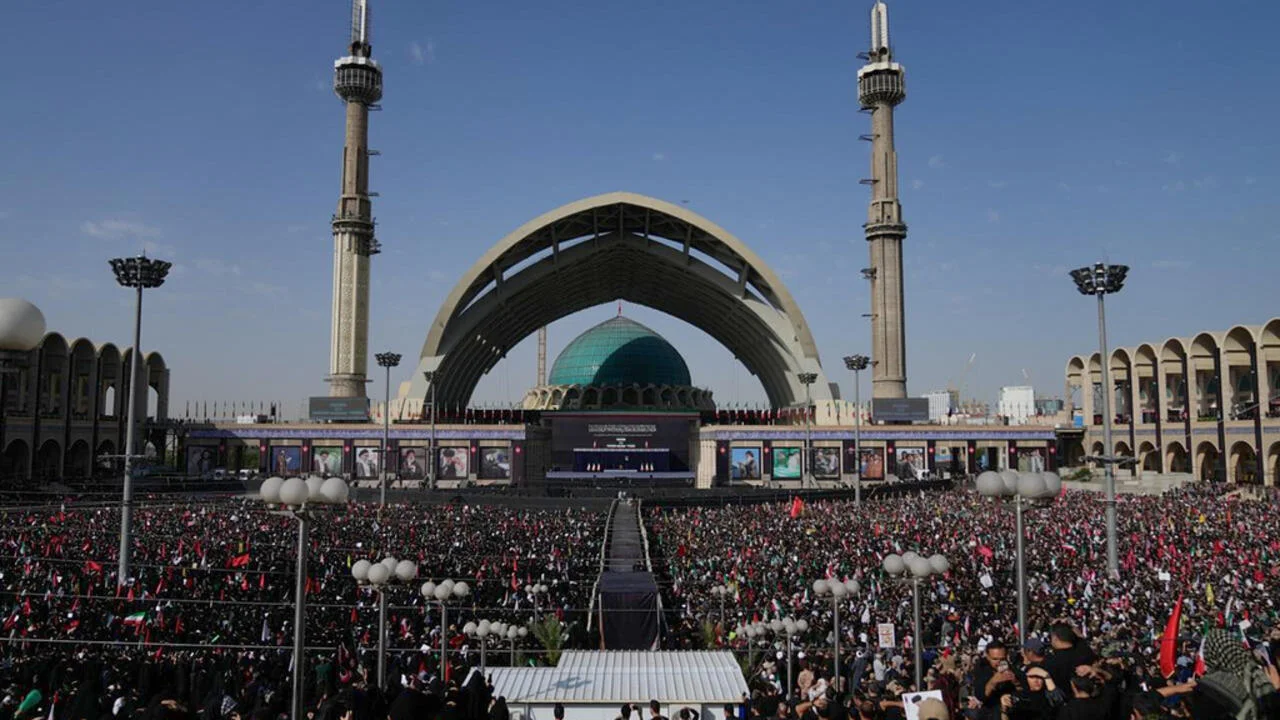
Thousands of mourners gathered at Tehran’s Imam Khomeini Mosalla this morning to begin the multi-day farewell ceremony for Ayatollah Seyyed Ali Khamenei. The late leader, who was martyred in a targeted attack on February 28, is being honored in a sequence of events that will span five cities across Iran and Iraq. This is not merely a domestic religious event; it is a significant geopolitical signal. The massive turnout and the participation of high-ranking regional officials underscore the continuity of the state and its ideological resilience despite the shock of the initial attack.
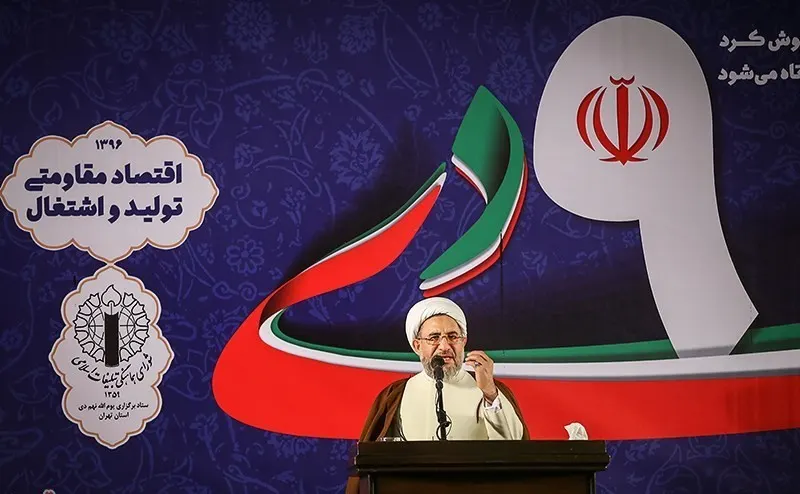
For the markets, the significance lies in the transition of power and the maintenance of internal security. The procession will visit some of the holiest sites in Shiite Islam, effectively acting as a unifying tour during a period of extreme regional tension. Investors are watching closely to see how the leadership transition impacts foreign policy—specifically regarding the ongoing 'war of attrition' with US-Israeli interests. The stability of the Toman this morning suggests that, for now, the transition is perceived as orderly, though the long-term economic strategy remains a subject of intense speculation.
Trump’s 250th Anniversary: The "Communist Menace" and Global Trade
Across the Atlantic, Donald Trump kicked off the United States' 250th birthday celebrations at Mount Rushmore with a speech that was anything but celebratory in the traditional sense. Instead of focusing on national unity, Trump launched a blistering attack on what he termed a "communist menace" within the US, framing his political opponents as the enemies of the 1776 revolution. This rhetoric is more than just campaign trail bluster; it signals a potential return to extreme protectionism and a 'Red Scare' style of governance that could upend international trade agreements and further isolate the US from its traditional allies.

What this means for the global economy is a likely increase in market volatility. Trump’s suggestion that the UK is "dying" and his dismissal of traditional alliances hint at a future where the US Dollar is used more aggressively as a tool of political leverage. For Iranian readers, this is a double-edged sword. While a more isolationist US might struggle to maintain a global sanctions coalition, the unpredictability of a leadership that views internal and external dissent as a singular "communist" threat makes long-term financial planning nearly impossible. The "Trump accounts" for children being opened in the US—which ban bonds and international stocks—are a micro-reflection of this new, risky American exceptionalism.
The Energy Paradox: OPEC Production vs. the Hormuz Blockade
The energy markets are currently caught in a strange contradiction. OPEC’s oil production jumped by 3.3 million barrels per day in June, as Gulf producers attempted to bring shut-in barrels back online. However, the Strait of Hormuz remains a massive question mark. While some Iranian officials claim shipping is operating normally, the military has frequently declared the strait closed, and a US naval blockade is technically still in place until a July 19 deadline. This confusion has left the metals complex, particularly copper, looking toward Washington rather than the Middle East for its next price move.
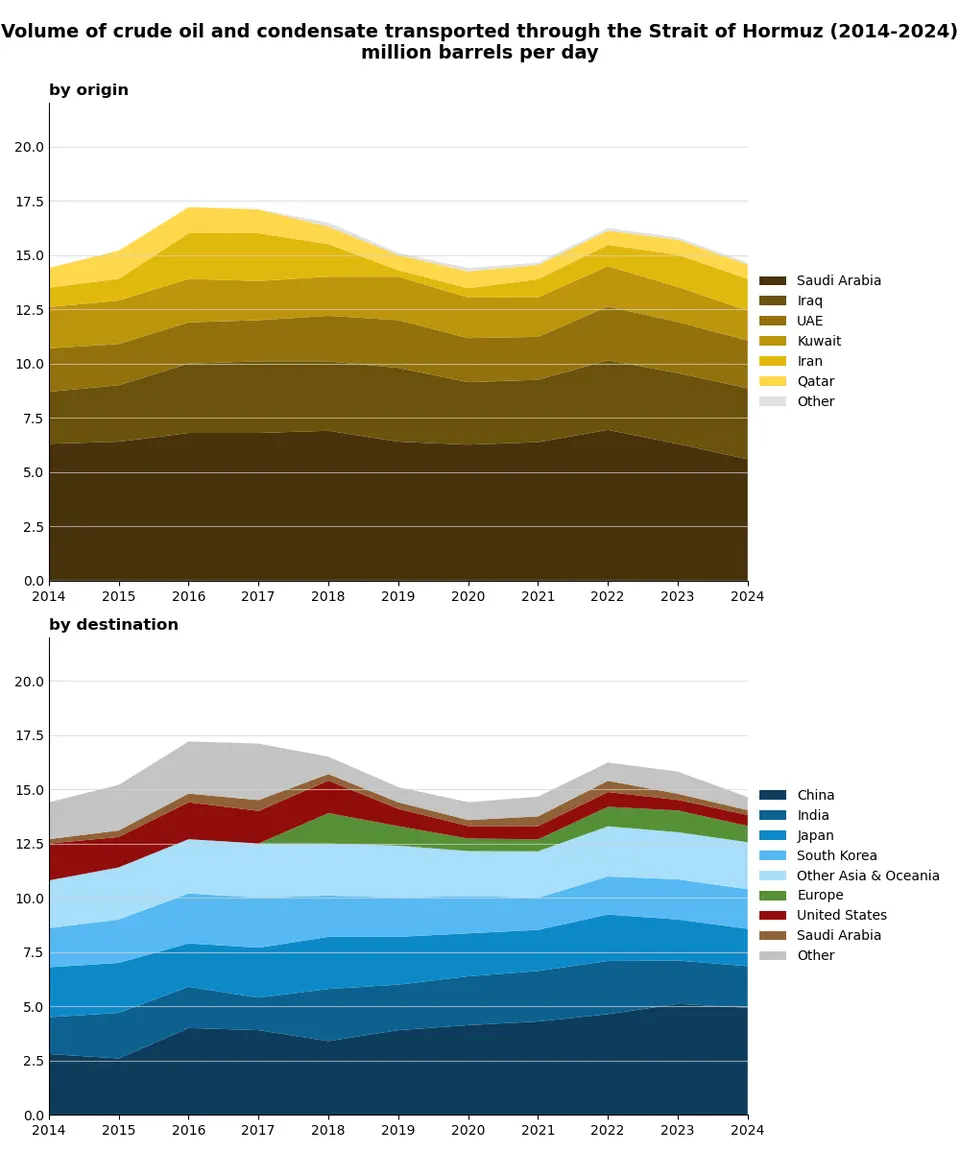
This "energy paradox" means that while there is more oil being pumped, the actual delivery of that oil to global markets is still hampered by the risk of sudden maritime closures. For the Iranian economy, this is the primary bottleneck. Until the memorandum of understanding regarding the Strait is fully realized and the blockade lifted, the increase in production will not translate into the foreign exchange revenue the country desperately needs. The next two weeks will be critical as the July 19 deadline approaches, likely determining whether oil prices stabilize or face another war-induced spike.
Frequently Asked Questions
Why has the USD/IRR remained stable during such a high-tension period?
What is the 'Communist Menace' Trump referred to, and why does it matter to markets?
How can OPEC production rise while the Strait of Hormuz is under threat?
Strategic Chokepoints: The Strait of Hormuz and Global Energy Markets
The Strait of Hormuz is a narrow waterway between the Persian Gulf and the Gulf of Oman, measuring only about 21 nautical miles at its narrowest point. Despite its modest width, it serves as a critical strategic chokepoint because roughly 20‑25% of the world’s daily oil consumption transits this corridor each day. When the flow is disrupted—whether by military tension, piracy, or a formal blockade—oil prices can spike dramatically, and global supply chains feel the ripple effect.
Because the strait lies between Iran and the United Arab Emirates, any escalation involving Tehran (such as the national mourning period or threats of a blockade) instantly raises concerns among oil‑producing nations and market participants. OPEC’s production decisions, which already influence price dynamics, become even more volatile when the physical route for that oil is under threat. Traders often price in a “risk premium” for oil futures, and currencies of oil‑dependent economies (including the Iranian rial) can swing sharply in response.
Historically, the strait has been the flashpoint for several crises: the 1980s Iran‑Iraq War, the 2012 and 2019 incidents where vessels were seized or threatened, and the 2020 drone attacks on oil tankers. Each episode demonstrated how quickly a localized security event can translate into global market turbulence, prompting central banks to adjust monetary policy and investors to seek safe‑haven assets like gold.
Understanding the concept of a strategic chokepoint helps explain why geopolitical news—whether a funeral for a high‑ranking cleric or a provocative speech by a former U.S. president—can move markets far beyond the immediate political sphere. The physical geography of the strait amplifies the economic impact of any political signal, making it a key focus for analysts watching oil, currencies, and commodities.
For those interested in deeper analysis, the International Energy Agency (IEA) regularly publishes scenario modeling that isolates the effect of a Hormuz disruption on global oil supply, while the IMF tracks the macro‑economic fallout on oil‑importing versus oil‑exporting nations.