15 Million Expected at Tehran Funeral as Political Transitions Weigh on Iranian Markets
حضور ۱۵ میلیونی در مراسم وداع با رهبر فقید؛ سایه تحولات سیاسی بر بازارهای داخلی
Millions gather in Tehran for the funeral of Ayatollah Khamenei as global allies arrive and internal divisions surface. Meanwhile, the USD/IRR pair sees a slight decline amidst the national mourning period and strategic trade talks with Kazakhstan.
At time of publishing
USD
174,100
Toman
Gold 18K
17.60M
Toman / gram
Bitcoin
$62,427
US Dollar
Tether
173,445
Toman
A Nation in Mourning: 15 Million Expected for Funeral Rites
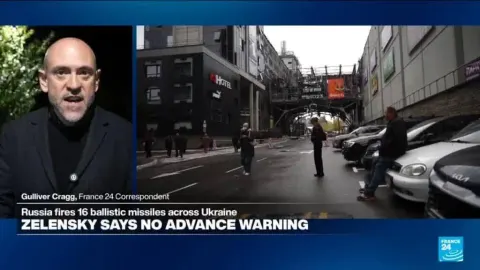
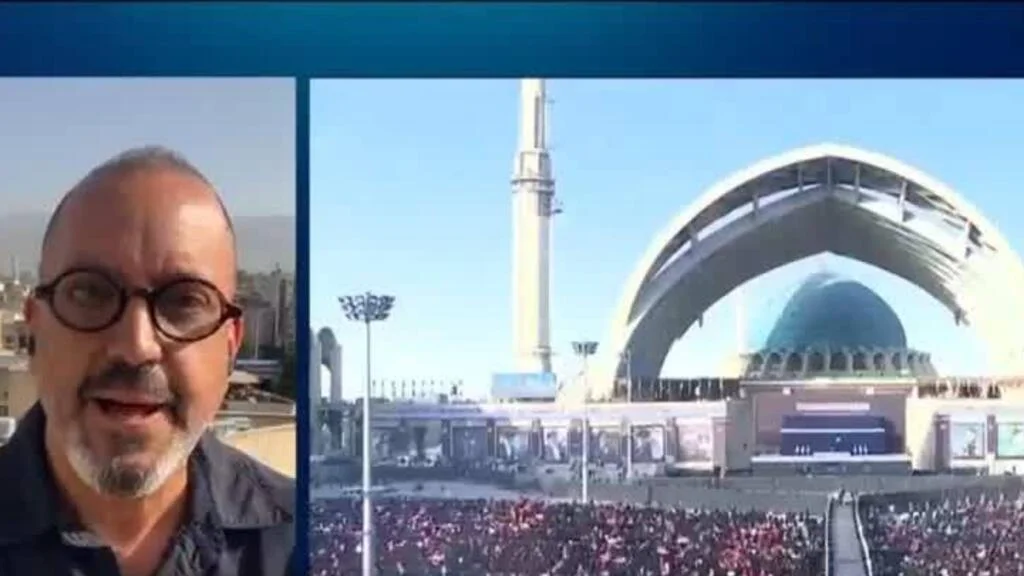
The scale of the mourning ceremonies in Tehran has reached unprecedented levels as the week-long funeral for the late Supreme Leader, Ayatollah Ali Khamenei, officially began this Saturday. According to official estimates shared by Iranian authorities and reported by international outlets like France 24, as many as 15 million people are expected to participate in the funeral processions. The atmosphere in the capital is described as a mixture of religious fervor and solemnity, with the national anthem and Koranic recitations echoing through a vast prayer complex. This massive mobilization is not just a domestic event; it serves as a powerful signal of the system's enduring reach and its ability to mobilize the public during a critical moment of transition.
Foreign dignitaries and regional allies have already begun arriving in Tehran to pay their respects, marking a significant diplomatic moment for the Islamic Republic. These gatherings, while centered on grief, often serve as informal channels for high-level geopolitics. For the average Iranian, the sheer scale of the event has brought the capital to a standstill, with many looking toward the future of the country's leadership and the potential for shifts in both domestic policy and international standing. The presence of allies from Iraq and other neighboring states underscores the regional influence that the late leader cultivated over decades.
Market Reaction: Stability Amidst Political Uncertainty
Despite the gravity of the political situation, the Iranian financial markets have remained relatively stable, albeit with a slight downward trend in major assets. The USD/IRR pair moved from 175,050 to 174,100, representing a -0.5% decrease over the last 24 hours. Similarly, the price of 18k gold per gram saw a more pronounced dip, falling from 17,821,690 to 17,595,456 (-1.3%). This cooling of prices suggests that the market had already priced in much of the political risk associated with the transition, or that the current state of national mourning has temporarily dampened speculative trading activity.
While the public shows a front of unity, international observers and analysts are closely watching for signs of internal friction. Reports from the New York Times suggest that the absence of certain key figures, such as Ayatollah Mojtaba Khamenei, from specific public segments of the ceremonies has raised questions among political circles about the underlying power dynamics. For investors and business owners, this perceived "mask of unity" is the primary factor to watch. Any signs of a prolonged power vacuum or contested succession could lead to increased volatility in the Toman, as the market seeks a clear direction for the country’s economic and foreign policy future.
Strategic Resilience and Tech Frontiers
Beyond the immediate focus on Tehran, Iran is continuing to bolster its strategic and economic ties with regional partners. Kazakhstan has recently reaffirmed its commitment to expanding strategic cooperation with Tehran, focusing specifically on transit connectivity and logistics. This is a critical development for the Iranian economy, as it seeks to solidify its role as a central hub in the International North-South Transport Corridor. By strengthening these ties, Iran aims to create a more resilient economic structure that can withstand external pressures, a legacy that Russian researchers have noted as a hallmark of the late Leader’s administrative strategy.
In the world of technology, a significant breakthrough in biodiversity monitoring has emerged from the Cornell Lab of Ornithology. The Merlin bird ID app, which uses machine learning to identify birdsong, is being integrated into a global biodiversity project. This move represents a shift in how AI is utilized—moving beyond simple consumer chatbots to becoming a fundamental infrastructure for scientific research and conservation. For the global tech community, this highlights the growing power of crowdsourced data and machine learning to solve complex environmental challenges, providing a rare piece of optimistic news in an otherwise heavy news cycle.

Crypto and Global Context
While Tehran is focused on internal affairs, the global crypto market is navigating regulatory shifts. Revolut has announced plans to delist USDT for its European customers by the end of August, citing compliance with upcoming regulatory frameworks. This move has caused a ripple of concern among stablecoin users, though Bitcoin remains relatively steady at $62,427. For Iranian crypto traders, who often rely on USDT as a bridge to global markets, these international regulatory changes serve as a reminder of the fragility of centralized platforms in the face of evolving global financial laws.
Watch
15 million people expected to attend former supreme leader's funeral • FRANCE 24 English
FRANCE 24 English
Frequently Asked Questions
How has the USD/IRR exchange rate reacted to the national mourning period?
What is the significance of the 15 million attendance figure reported for the funeral?
Why is the cooperation between Kazakhstan and Iran important right now?
Understanding Political Risk in Global Markets
Political risk is a critical concept for anyone observing global markets, especially during times of significant political transition. It refers to the potential for political decisions, events, or instability within a country to affect the profitability of an investment or the overall market environment. This risk isn't just about wars or coups; it encompasses a broad spectrum of possibilities, from changes in government policy (e.g., taxation, trade tariffs, nationalization) to social unrest, terrorism, and, crucially, leadership succession. The core idea is that political factors can introduce uncertainty and volatility, impacting economic stability and investor confidence.
When a nation faces a major political succession, as suggested by the large funeral gathering and discussions around future leadership, the level of political risk often escalates dramatically. In countries with centralized political structures or those facing international sanctions, the transition of power can create significant ambiguity regarding future domestic and foreign policies. Investors, both local and international, begin to weigh the potential for shifts in economic direction, changes in regulatory frameworks, or even alterations in geopolitical alliances. This uncertainty can deter new investment and prompt existing capital to seek safer havens.
The impact of heightened political risk manifests clearly in financial markets. For instance, the value of a nation's currency can become highly volatile, often depreciating against major international currencies (like the USD against the IRR) as capital flows out or speculative trading increases. Demand for traditional safe-haven assets, such as gold, typically rises domestically as citizens and investors seek to preserve wealth against potential economic instability or inflation. Furthermore, political uncertainty can disrupt international trade relations and agreements, affecting import/export balances and overall economic growth projections.
Understanding political risk is therefore essential for making informed decisions, whether you're an international investor, a local business owner, or simply a curious citizen trying to comprehend the broader economic implications of political events. It highlights the intricate connection between a nation's political landscape and its economic fortunes, demonstrating how leadership changes or policy shifts can reverberate through every layer of the market.