Tehran Mourns Amid Regional Crisis; Space Debris Sparks Alarm in Australia; Markets Hold Steady
وداع باشکوه تهران با رهبر انقلاب در میانه بحران منطقهای؛ زنگ خطر زبالههای فضایی در استرالیا
Millions gather in Tehran for the farewell ceremony of Ayatollah Khamenei following recent regional escalations, while global markets show a cautious stability. Meanwhile, mysterious 'space balls' on Australian beaches raise environmental and security concerns.
At time of publishing
USD
174,150
Toman
Gold 18K
17.69M
Toman / gram
Bitcoin
$62,722
US Dollar
Tether
174,554
Toman
National Mourning and Regional Diplomacy in Tehran
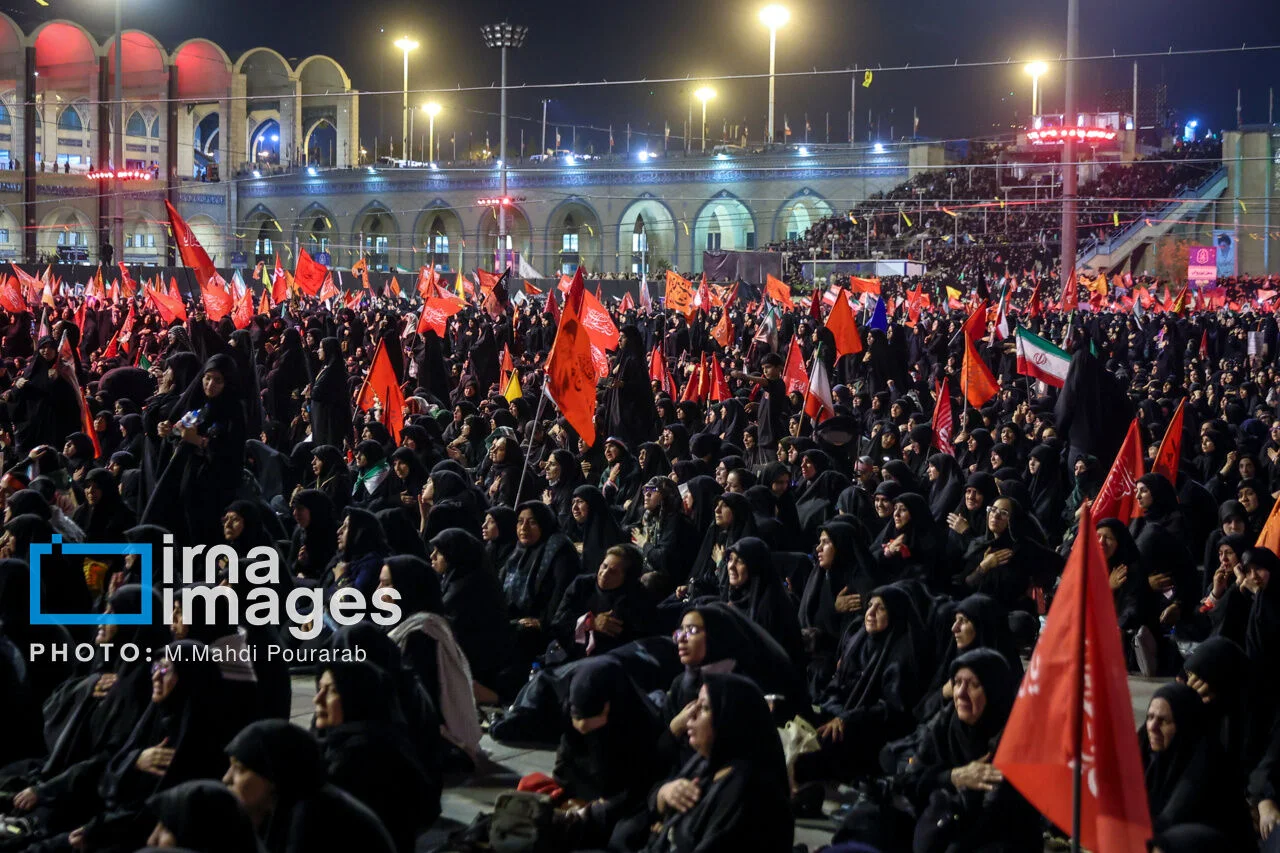
Tehran has become the focal point of global attention as millions of citizens gathered at the Grand Mosalla to bid farewell to the martyred Leader of the Islamic Revolution, Ayatollah Seyyed Ali Khamenei. This massive outpouring of public grief follows the devastating U.S.-Israeli attacks that have reshaped the geopolitical landscape of the Middle East. The atmosphere in the capital is one of profound solemnity, with mourning ceremonies continuing through the night into Sunday morning. For the Iranian people, this event is not merely a funeral but a powerful demonstration of national unity and resilience in the face of unprecedented external aggression.
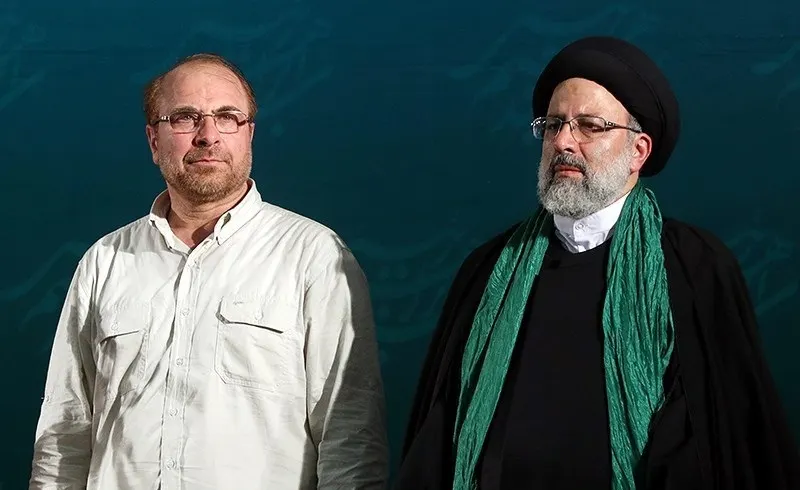
Beyond the domestic sentiment, the presence of high-level foreign delegations underscores the regional stakes of this transition. Foreign Minister Abbas Araghchi met with a prominent Hezbollah delegation led by Muhammad Fneish, highlighting that despite the leadership loss, the 'Axis of Resistance' remains diplomatically active. These meetings are crucial for maintaining regional alliances and signaling to international observers that Iran’s strategic foreign policy remains intact. For the average Iranian reader, this suggests that while the political structure is in transition, the state’s security apparatus and its regional influence are being prioritized to prevent further instability or economic collapse.
Market Stability Amidst Political Transition
Despite the gravity of the political situation, the Iranian financial markets have shown a remarkable, albeit tense, stability over the last 24 hours. The US Dollar (USD) remains unchanged at a sell rate of 174,150 Toman, showing a 0.0% fluctuation. This lack of movement in the face of such significant news suggests either heavy market intervention by the Central Bank to prevent a panic-driven spike or a collective 'wait and see' approach from major currency traders. While the currency remains at historically high levels, the absence of an immediate vertical climb provides a temporary breather for the domestic economy, which has been grappling with the inflationary pressures of regional conflict.
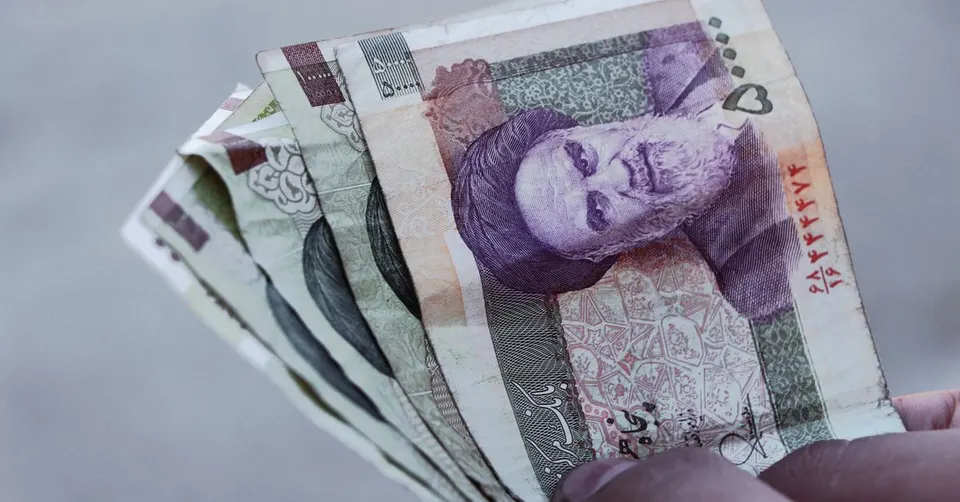
In contrast to the flat currency market, gold has seen a slight uptick, reflecting its traditional role as a safe-haven asset during times of geopolitical uncertainty. Gold 18k per gram rose from 17,643,935 to 17,694,722 Toman, a modest increase of 0.3%. Similarly, the global price of gold stands at a staggering $4,176.10 per ounce, indicating that the flight to safety is a global phenomenon, not just a local one. For investors, this 0.3% rise in domestic gold prices, while the Emami coin remains steady at 177,000,000 Toman, suggests that while there is no immediate panic, there is a steady accumulation of hard assets by those looking to hedge against potential future escalations or shifts in the national leadership structure.
Space Debris and Global Security Anomalies
In a bizarre turn of events that has captured international headlines, the Australian Space Agency is investigating mysterious debris found on the beaches of North Queensland. Described as 'space balls,' these six metallic objects are suspected to be components from a recent rocket launch. Authorities have warned that the debris may contain highly toxic rocket fuel, posing a significant environmental and health risk to the local population. This incident highlights the growing problem of 'space junk' as more nations and private companies accelerate their orbital activities, often without adequate recovery or disposal protocols.
This story matters beyond the immediate curiosity of the objects because it touches on international liability and the lack of a robust global framework for space traffic management. As space becomes a contested domain—not just for telecommunications but for military surveillance—the uncontrolled reentry of hardware becomes a diplomatic flashpoint. For a global audience, including those in Iran who are increasingly invested in domestic satellite technology, the Queensland incident serves as a reminder that the costs of the modern space race are often borne by the environment and unsuspecting civilian populations thousands of miles from the launch site. It also raises questions about which nation's space program is responsible, potentially leading to new diplomatic friction in the Indo-Pacific region.
Frequently Asked Questions
Why is the USD price stable despite the leadership transition in Iran?
What caused the 0.3% increase in gold prices today?
Are the 'space balls' found in Australia dangerous?
How International Sanctions Drive Iran's Currency Devaluation and Gold Demand
Since the early 2000s, Iran has faced a series of layered economic sanctions targeting its banking system, oil exports, and key industries. These restrictions limit Iran's ability to earn foreign currency, especially U.S. dollars, which in turn squeezes the supply of hard currency needed to support the official exchange rate of the rial (IRR). When the market perceives a shortage, the rial depreciates rapidly, as seen in the steep USD/IRR price movements in July 2026.
A common response to a weakening rial is a surge in demand for gold, which serves as a universal store of value less vulnerable to sanctions. Iranian households and businesses often turn to gold as a hedge, pushing domestic gold prices higher than international benchmarks. This dynamic creates a feedback loop: a falling rial makes gold more expensive in local currency, encouraging further gold purchases and reinforcing the rial’s decline.
The government’s attempts to stabilize the currency—through multiple exchange rates, subsidies, or temporary bans on gold imports—have had mixed results. While official rates can be artificially maintained, black‑market rates typically reflect true market sentiment, leading to a dual‑price system that fuels corruption and erodes public trust. Understanding this interplay helps explain why geopolitical events, such as the funeral of Ayatollah Khamenei or regional tensions involving Hezbollah, can instantly amplify market volatility.
For investors and analysts, monitoring the rial’s exchange rate alongside domestic gold prices provides a clearer picture of Iran’s economic health than any single indicator. It also highlights how external political pressures translate into everyday financial decisions for ordinary Iranians.