Hamas Affirms Solidarity with Iran Amid Leadership Transition; Australian Politics Grapples with Policy Shifts
تأیید همبستگی حماس با ایران در گذار رهبری؛ سیاست استرالیا درگیر تغییرات خطمشی
As Iran navigates a significant leadership transition, a Hamas delegation has reaffirmed its solidarity, signaling continuity in regional alliances. Meanwhile, global markets show a steady start to the day, with gold seeing minor gains. Elsewhere, Australian politics faces internal shifts, from gambling policy overhauls to coalition disputes, highlighting broader trends in governance and economic impact.
At time of publishing
USD
174,150
Toman
Gold 18K
17.67M
Toman / gram
Bitcoin
$62,666
US Dollar
Tether
173,818
Toman
Market Open
Good morning, Arzbin readers. As the new week begins, the Iranian market shows a watchful stability, reflecting the underlying currents of regional geopolitics and domestic developments. The U.S. Dollar (USD) against the Iranian Rial (IRR) has remained remarkably steady overnight, holding at 174,150 Toman, indicating no significant movement with a 0.0% change. This flat performance suggests that while major events unfold, the immediate currency market is maintaining a cautious equilibrium, perhaps awaiting clearer signals from ongoing domestic and international dialogues.
In the precious metals market, gold has seen a slight upward tick. The 18k gold per gram rose from 17,643,935 Toman to 17,671,637 Toman, marking a modest 0.2% increase. This marginal gain for gold, often a safe-haven asset, could be interpreted as a subtle reflection of underlying geopolitical uncertainties, even if the currency market is quiet. Emami coin, however, mirrored the USD/IRR stability, remaining at 177,000,000 Toman with no change. Bitcoin (BTC) is currently trading at 62,666 USD, while Ethereum (ETH) stands at 1,763.34 USD, with USDT at 173,818 Toman, showing crypto markets experiencing their own independent dynamics.
Hamas Delegation Affirms Solidarity with Iran Amidst Leadership Transition
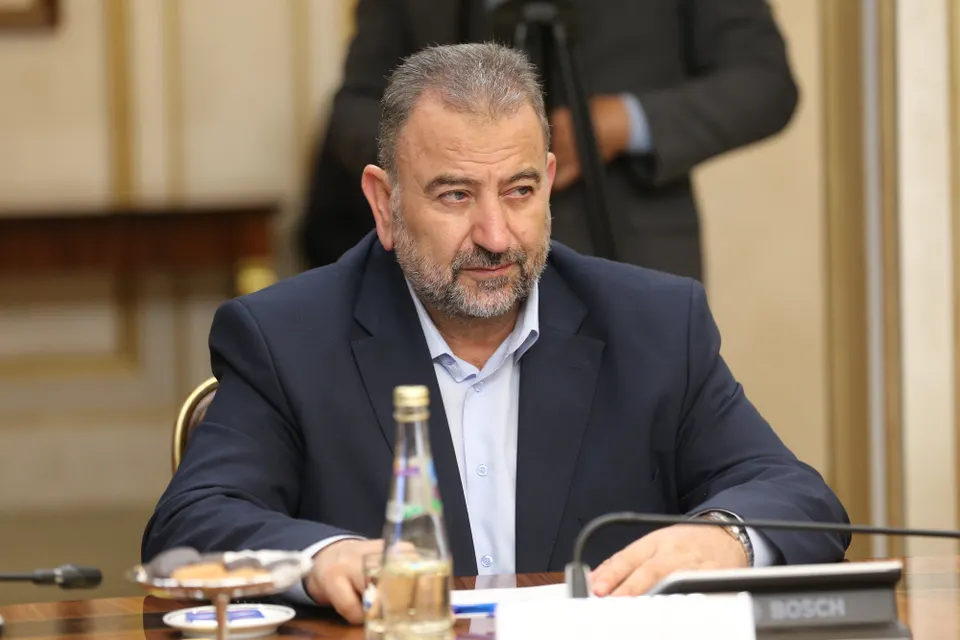
The most significant overnight development comes from Tehran, where a Hamas delegation met with Iran's acting Foreign Minister, Ali Baqeri Kani (Araghchi), to offer condolences over the martyrdom of the Leader of the Islamic Revolution, Ayatollah Seyyed Ali Khamenei. This high-profile meeting, reported by IRNA, saw Hamas's leadership council chairman reaffirming unwavering solidarity with the Iranian nation. The timing of this visit is crucial, occurring as Iran holds the second day of farewell ceremonies for its martyred Leader, with massive crowds gathering at Tehran's Imam Khomeini Mosalla to pay their final respects. These ceremonies underscore a period of profound national mourning and transition for the Islamic Republic.
This demonstration of solidarity is more than just a gesture of condolence; it signals continuity and reaffirmation of long-standing regional alliances in a period of significant change for Iran. The martyrdom of Ayatollah Khamenei has naturally led to questions about the future direction of Iran's domestic and foreign policy, and this meeting provides an early indication that key regional partners anticipate a continuation of established relationships. For global observers, it highlights the resilience of Iran's regional network and the shared strategic interests that bind these actors, even amidst leadership changes. The world will be watching closely for further signals on how Iran's new regime, which is seen as distinct from its predecessors, will navigate these complex regional dynamics.
Australian State Labor Toughens Stance on Problem Gambling
Shifting our focus to Australia, a significant policy development has unfolded in New South Wales (NSW), where the State Labor conference has passed a motion committing to a substantial reduction in poker machines. The motion, which garnered unanimous support, aims to remove 50% of these machines from operation over the next decade. This move represents a toughening of Labor's stance on problem gambling, pushing NSW Premier Chris Minns to adopt a more aggressive approach ahead of the next state election. The decision comes amid surging profits for gambling operators and mounting accusations of inaction on reform, signaling a growing public and political will to address social harm associated with gambling.
This policy shift is not merely a local issue; it reflects a broader global trend where governments are increasingly scrutinizing industries with significant social impacts. For investors in the gambling sector, particularly those with exposure to the Australian market, this development could signal a period of regulatory uncertainty and potential revenue contraction. It also highlights the increasing influence of social policy and public sentiment on economic sectors, demonstrating how legislative bodies can be compelled to act when public pressure and internal party dynamics align. The successful passage of such a bold motion suggests that the momentum for real reform in this area is indeed becoming unstoppable, as noted by local leaders.
Australian Liberals Reject Coalition with One Nation Amidst Political Fragmentation
Further south in Australia, the political landscape continues to show signs of fragmentation, with Liberal frontbencher Dan Tehan publicly dismissing any notion of a coalition with the right-wing One Nation party. This statement comes despite some senior Liberal colleagues reportedly urging closer ties with Pauline Hanson's party, and polls suggesting that the rise of One Nation could make it increasingly difficult for the Liberal-National opposition to govern in its own right. Prime Minister Anthony Albanese seized on the internal divisions, mocking the conservative side of politics as an "axis of grievance," highlighting the ideological rifts within the opposition ranks.
This internal debate within the Liberal party underscores the challenges facing traditional political parties in an era of shifting voter allegiances and the rise of populist movements. For businesses and investors, political stability is a key factor, and signs of fragmentation within major parties can introduce uncertainty into the policy environment. A fragmented political landscape can lead to minority governments, unpredictable policy outcomes, and slower legislative processes, all of which can impact economic planning and investment decisions. Tehan's firm rejection suggests that while the internal pressures for a broader conservative alliance exist, the mainstream Liberal party is keen to maintain its distinct identity, even if it means a harder path to power.
Frequently Asked Questions
What is the significance of the Hamas delegation's visit to Tehran amidst Iran's leadership transition?
How have the Iranian markets reacted to the recent geopolitical and domestic developments?
What are the implications of NSW Labor's tougher stance on poker machines for the Australian gambling industry?
Why is the Australian Liberal party's rejection of a coalition with One Nation important for political stability?
Economic Sanctions and Their Ripple Effect on Iran’s Currency and Gold Prices
Economic sanctions are coercive tools used by countries or international bodies to pressure a target state into changing policies deemed unacceptable. In the case of Iran, sanctions have been layered over decades, targeting its banking sector, oil exports, and key individuals such as Ayatollah Khamenei’s inner circle. By cutting off access to the global financial system, sanctions restrict the flow of foreign currency, making it harder for Iran to earn dollars and euros on the open market.
When a nation cannot obtain sufficient foreign exchange, its domestic currency—here the Iranian rial (IRR)—faces intense downward pressure. The official exchange rate set by the Central Bank often diverges sharply from the market rate, creating a dual‑currency system where the USD/IRR black‑market price can soar well above the official peg. This devaluation erodes purchasing power, fuels inflation, and forces import‑dependent businesses to seek alternative financing, often turning to informal channels that further destabilise the market.
Investors and ordinary Iranians alike look for assets that preserve value amid currency turmoil. Gold, priced globally in U.S. dollars, becomes a natural hedge because its price is less directly tied to the rial’s fluctuations. As sanctions tighten and the rial slides, demand for gold spikes, pushing the local gold price higher in rial terms even if the dollar price remains stable. This dynamic was evident in 2022‑2023 when the rial lost more than 60% of its value against the dollar, while gold prices in Tehran surged by over 40%.
Understanding the sanctions‑currency‑gold nexus is crucial for policymakers and market participants. It illustrates how geopolitical moves ripple through exchange rates, inflation, and commodity markets, shaping everyday economic realities for citizens and influencing foreign investors’ risk assessments. While sanctions aim to achieve political objectives, their economic side‑effects often persist long after diplomatic negotiations conclude, reshaping the financial landscape of the targeted country.