Deadly US Heatwave Strains Grids; AI’s ‘Hiroshima’ Warning Rattles Markets as Nvidia and Ethereum Slide
بحران گرما در آمریکا و هشدار «هیروشیمای هوش مصنوعی»؛ ریزش انویدیا و اتریوم در سایه ابهامات جهانی
A lethal heatwave in the US has claimed at least 25 lives, highlighting the fragility of global infrastructure under climate stress. Meanwhile, warnings of an AI-driven catastrophe and shifting energy costs are sending ripples through tech stocks and crypto markets alike.
At time of publishing
USD
173,550
Toman
Gold 18K
17.73M
Toman / gram
Bitcoin
$62,704
US Dollar
Tether
174,899
Toman
The Human and Economic Toll of the Great American Heat Dome
As the United States attempts to celebrate its semiquincentennial, a brutal and relentless heatwave has turned a festive weekend into a national emergency. At least 25 people have lost their lives as a massive heat dome settled over the eastern half of the country, pushing temperatures in over 20 states above the 100°F (38°C) mark. With more than 140 million people remaining under active heat alerts this Sunday, the crisis has transcended a mere weather event, becoming a stark reminder of how climate instability directly threatens national productivity and energy security. The strain on the power grid is palpable, as record demand for cooling tests the limits of aging infrastructure, raising fears of localized blackouts that could disrupt commerce and essential services.
This extreme weather is not an isolated incident but a signal of a broader shift that markets are increasingly forced to price in. Beyond the immediate tragedy of the lives lost, the heatwave impacts agricultural yields and labor efficiency, creating inflationary pressures that central banks can do little to combat with interest rate hikes. For the global observer, the situation in the US serves as a preview of the "new normal," where environmental volatility dictates market sentiment as much as fiscal policy. As emergency services remain on high alert, the economic cost of this heat dome is expected to run into the billions, affecting everything from insurance premiums to energy futures.
AI’s ‘Hiroshima’ Warning and the Tech Correction
In a week already marked by market jitters, UK Foreign Secretary Yvette Cooper has delivered a chilling comparison, stating that artificial intelligence poses a “Hiroshima-style” threat to humanity if global regulations are not established immediately. This exclusive warning, which highlights the intersection of AI, foreign interference, and the climate crisis, has added a layer of geopolitical anxiety to an already cooling tech sector. Cooper’s call for the US and China to agree on international rules suggests that the era of "move fast and break things" in AI development is meeting a hard wall of state-level scrutiny. This shift in rhetoric is moving AI from a purely speculative growth engine to a major regulatory risk factor on the desks of global fund managers.
This atmosphere of caution is reflected in the performance of market leaders like Nvidia. The semiconductor giant’s stock has declined by 13% over the last month, a significant retreat for a company that has defined the recent bull run. While some analysts suggest this is a healthy correction and a potential buying opportunity for long-term investors, others see it as a realization that the infrastructure for AI is becoming increasingly expensive and politically sensitive. The combination of high valuation and the threat of aggressive international regulation is forcing a re-evaluation of just how much growth is left in the current AI cycle, especially as the energy costs of running massive data centers begin to skyrocket.
The End of Cheap Energy and the Crypto Slump
For nearly a decade, the global economy benefited from relatively cheap U.S. natural gas, but that era appears to be reaching its conclusion. Analysts now warn that the benchmark Henry Hub prices are set for a steady climb through 2035, driven by the insatiable energy appetite of AI data centers and the massive expansion of U.S. liquefied natural gas (LNG) export infrastructure. This shift has profound implications for global inflation; as the U.S. exports more of its gas to Europe and Asia, domestic prices rise, ending the competitive advantage American industry once enjoyed. This structural change in energy costs is a primary reason why "sticky" inflation remains a concern for investors heading into the second half of 2026.
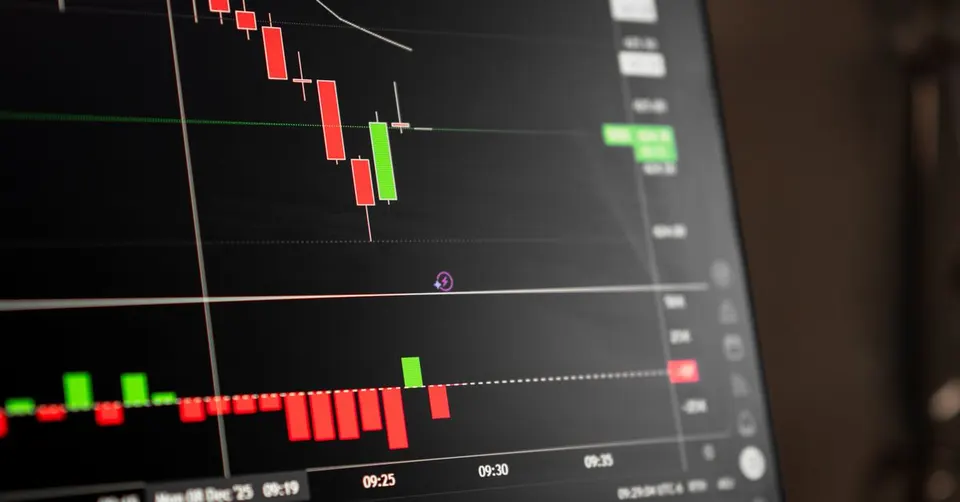
This energy-driven macro environment is hitting the cryptocurrency market particularly hard. Ethereum has lost a staggering 22% of its value in just one month, struggling to find a floor as institutional interest wavers. While Bitcoin has stalled at the $63,300 resistance level, moving to $62,704 in the latest session, Ethereum’s sharper decline reflects a broader exit from riskier decentralized finance (DeFi) assets. The rising cost of electricity—a critical input for the entire digital asset ecosystem—combined with the lack of clear regulatory progress in Washington, has left traders skeptical. If energy prices continue their upward trajectory, the profitability of maintaining global blockchain networks will be further squeezed, potentially leading to more consolidation in the crypto space.

Tehran Markets: Stability Amidst National Mourning
In Tehran, the atmosphere remains somber as the nation continues to observe funeral rites for the late Supreme Leader, Ayatollah Ali Khamenei. Despite the immense crowds and the heightened geopolitical rhetoric from officials like Parliament Speaker Mohammad Bagher Ghalibaf—who recently claimed that the US and Israel have been forced to recognize the "Axis of Resistance"—the domestic currency market has remained surprisingly stable. In the last 24 hours, the USD/IRR exchange rate saw a slight correction, with the US Dollar moving from 174,150 to 173,550 Toman, a decrease of 0.3%. This minor gain for the Toman suggests that the central bank is actively managing liquidity to prevent panic during this sensitive transition period.
Gold, however, continues to serve as the preferred hedge for Iranian households. The price of 18k gold rose by 0.5%, moving from 17,643,935 to 17,729,350 Toman per gram, while the Emami coin held steady at 177,000,000 Toman. This divergence between the currency and gold markets indicates that while the immediate panic over the leadership transition has been contained, long-term inflation expectations remain high. Investors are closely watching the absence of certain figures, such as Mojtaba Khamenei, from public funeral events, searching for clues about the future political landscape. For now, the market is in a "wait-and-see" mode, with the Toman's stability providing a fragile veneer of calm over a deeply uncertain geopolitical horizon.
Frequently Asked Questions
Why is the US heatwave affecting global market sentiment?
What does the 'Hiroshima-style' AI warning mean for tech investors?
Why is Ethereum falling faster than Bitcoin right now?
How is the Toman staying stable despite the leadership transition in Iran?
Peak Load Management: How Heatwaves Stress Power Grids and Ripple Through Energy‑Intensive Markets
A heatwave is a prolonged period of excessively high temperatures that pushes residential and commercial air‑conditioning use to its limits. In the United States, a July 2026 heatwave drove electricity demand to record‑high levels, creating a peak load that approached or exceeded the total capacity of many regional grids. When demand spikes faster than generators can be brought online, utilities must either purchase expensive short‑term power or risk load shedding—the deliberate shutdown of customers to keep the system stable.
The backbone of U.S. summer generation is natural gas‑fired plants, which can ramp output quickly. Consequently, Henry Hub natural‑gas prices become a leading indicator of electricity costs during heatwaves. Forecasts released by the Energy Information Administration (EIA) showed the Henry Hub price climbing above $5 per MMBtu in July 2026, reflecting the scramble for fuel to meet the surge in electricity demand. Higher gas prices ripple through the entire energy market, raising the operating cost of data centers, cryptocurrency mining farms, and GPU manufacturers that rely on cheap power.
Demand response programs aim to flatten the load curve by incentivising large consumers to cut or shift usage during peak periods. For example, some cryptocurrency miners temporarily shut down rigs, and GPU‑heavy firms like Nvidia see a dip in orders as enterprises postpone upgrades to avoid inflated electricity bills. The resulting market shock contributed to a sharp correction in Nvidia’s stock and a plunge in Ethereum’s price, illustrating how a physical‑world stress event can cascade into financial markets.
Beyond immediate price signals, the episode underscores the growing role of AI‑driven forecasting and regulation. Advanced models can predict heatwave intensity and its impact on grid stress, helping operators pre‑position resources and regulators to design more resilient market rules. Understanding peak‑load dynamics is therefore essential for investors, policymakers, and anyone watching the intersection of climate, energy, and technology.