Strait of Hormuz Tensions Rise Amid Ceasefire Strain
تنشها در تنگه هرمز در میان تنش آتشبس افزایش یافت
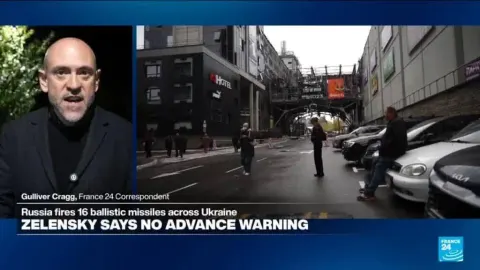
Recent missile strikes on commercial ships in the Strait of Hormuz test the fragile U.S.-Iran ceasefire. As global markets react to the geopolitical stress, the situation remains tense.
At time of publishing
USD
174,750
Toman
Gold 18K
17.75M
Toman / gram
Bitcoin
$63,210
US Dollar
Tether
175,020
Toman
New Strikes Test U.S.-Iran Ceasefire in Hormuz
Tensions have flared in the Strait of Hormuz as reports emerged of Iranian missiles striking two commercial ships amidst the U.S.-Iran ceasefire. This latest development, confirmed by a U.S. official, marks a significant escalation in the region, known for its strategic importance in global oil shipping. The attacks have not been officially addressed by Iranian authorities, leaving a gap in the narrative that fuels further speculation and concern.
This development comes at a critical juncture, as diplomatic efforts were underway to stabilize relations and ensure the flow of oil through the strait. The immediate effects on global oil prices and regional security are profound, as the strait is a key chokepoint for the world's oil supply. This could potentially impact everything from global trade routes to energy prices, affecting markets worldwide.
Samsung's Surging Profits Amid AI Boom
Samsung Electronics has reported an astonishing 1,800% increase in profits, largely driven by soaring sales of AI chips. Despite this phenomenal growth, the company's shares fell following the announcement, as investors had anticipated even higher results. This highlights the unpredictable nature of the tech market, where expectations often outpace reality.
The surge in AI chip sales underscores the rapid expansion of artificial intelligence applications in various industries. As companies increasingly rely on AI for everything from data analysis to autonomous vehicles, the demand for specialized hardware is skyrocketing. This trend is significant not only for tech giants like Samsung but also for smaller firms looking to capitalize on AI's potential, reshaping the competitive landscape of the tech industry.

Geopolitical Tensions with China Over Missile Tests
In another geopolitical development, tensions are mounting between China and its neighbors following recent long-range missile tests. The tests have been described as destabilizing by Australian officials, who are closely monitoring the situation. This comes as Australia strengthens its defense alliances, particularly with Pacific nations like Fiji, in response to China's military buildup.
The implications of this are significant for regional security and economic stability. As China continues to expand its military capabilities, neighboring countries are compelled to enhance their own defense strategies. This geopolitical chess game not only affects military alliances but also has potential ramifications for trade and economic partnerships in the Asia-Pacific region.

Market Response to Middle East Tensions
The financial markets are reacting to the escalating tensions in the Middle East, particularly in response to the Strait of Hormuz incidents. While the USD/IRR exchange rate remained stable at 174,750, the price of gold saw a modest increase, reflecting investor caution. The Emami coin also rose significantly, indicating a shift towards safe-haven assets in uncertain times.
This pattern underscores the interconnected nature of global events and financial markets. Investors often turn to stable and tangible assets like gold during geopolitical crises, which can lead to fluctuations in currency and commodity prices. Understanding these dynamics is crucial for investors looking to navigate the complexities of today's global market environment.

Frequently Asked Questions
What is the current situation in the Strait of Hormuz?
How has the market reacted to the Hormuz tensions?
Why did Samsung's shares fall despite high profits?
What are the geopolitical implications of China's missile tests?
What is the impact of AI chip sales on Samsung?
The Strategic Significance of Maritime Chokepoints: The Strait of Hormuz
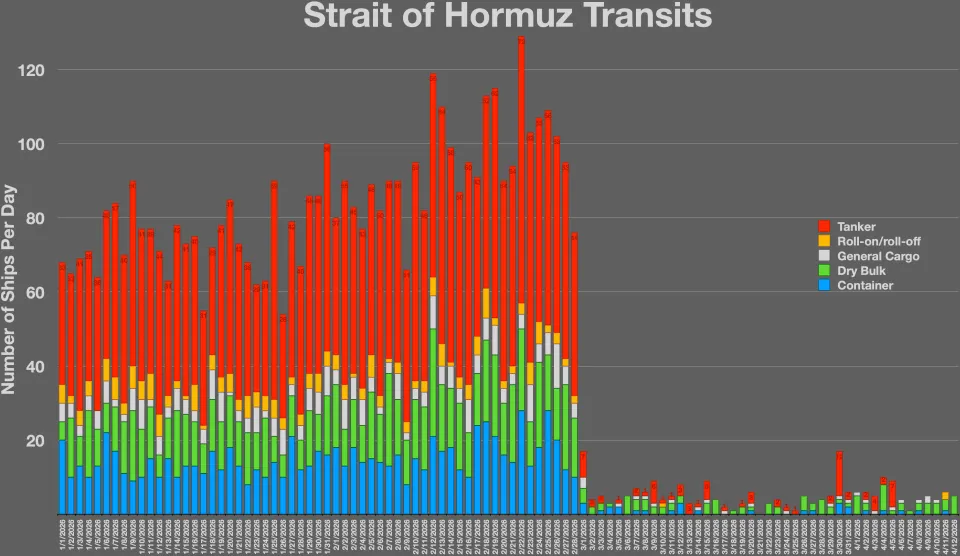
In the intricate web of global trade and energy supply, certain narrow passages hold disproportionate strategic importance. These are known as maritime chokepoints – critical navigational channels that funnel vast amounts of international shipping traffic. Their significance stems from their geographical constriction: any disruption, intentional or accidental, can have immediate and far-reaching global repercussions. Among these, the Strait of Hormuz stands out as arguably the world's most vital maritime chokepoint, connecting the Persian Gulf to the open waters of the Arabian Sea and the Indian Ocean.
What makes the Strait of Hormuz so crucial is its role as the primary transit route for a substantial portion of the world's oil and liquefied natural gas (LNG). Flanked by Iran to the north and Oman and the United Arab Emirates to the south, it is the sole sea passage for oil exports from major producers like Saudi Arabia, Iran, Iraq, Kuwait, Qatar, and the UAE. Approximately one-fifth of global petroleum liquids consumption, and a significant percentage of global LNG, passes through this narrow waterway daily. Any threat to this flow, whether from military action, political blockade, or even increased shipping costs due to heightened tensions, sends immediate shockwaves through international energy markets.
This inherent vulnerability transforms geopolitical tensions in the region into global economic concerns. When headlines report rising tensions or strained ceasefires involving nations bordering the Strait, global markets react with heightened investor caution. Oil prices can spike, gold – a traditional safe-haven asset – often sees increased demand, and shipping insurance premiums soar. The potential for disruption at such a critical chokepoint underscores the interconnectedness of global supply chains, affecting not just energy prices but also the cost of manufacturing and transportation worldwide, ultimately impacting consumers and economies far beyond the immediate region.