Tensions Flare in Hormuz: Tanker Hit as NATO Braces for Trump’s 5% Defense Spending Ultimatum
تنش در تنگه هرمز؛ حمله به نفتکش همزمان با اولتیماتوم ۵ درصدی ترامپ به ناتو
A mysterious projectile has struck an oil tanker near the Strait of Hormuz, rattling energy markets. Meanwhile, Donald Trump is pushing NATO allies for a massive defense spending hike as the US cements its 'Strategic Bitcoin Reserve' policy.
At time of publishing
USD
174,750
Toman
Gold 18K
17.71M
Toman / gram
Bitcoin
$63,079
US Dollar
Tether
175,190
Toman
Market Open — Stability in Currency, Spark in Gold
The Tehran market opens this Tuesday morning with a steady pulse on the dollar but a noticeable uptick in the 'gold coin' sector. The US Dollar remains pegged at 174,750 Toman, showing zero movement over the last 24 hours as traders wait for the geopolitical dust to settle. However, the Emami gold coin has jumped 1.1%, now trading at 179,000,000 Toman, reflecting a localized hedge against overnight regional uncertainty and the rising global gold ounce, which sits at a staggering $4,128.20.
Globally, Bitcoin is hovering around the $63,000 mark after a brief flirtation with $64,400. For the Iranian reader, this suggests a market that is 'priced for perfection'—stable for now, but extremely sensitive to the slightest spark from the Persian Gulf or the halls of Ankara. The lack of movement in the USD/IRR pair indicates that the market has already factored in the current level of sanctions and rhetoric, but any escalation in the Hormuz incident could break this equilibrium.
Projectile Strike in Hormuz: The Return of the 'Tanker War' Shadow
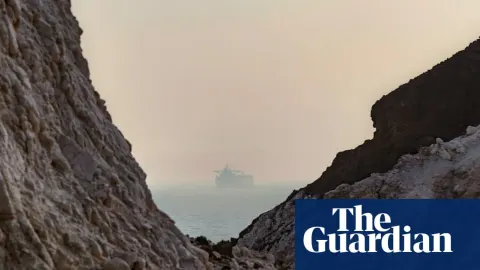
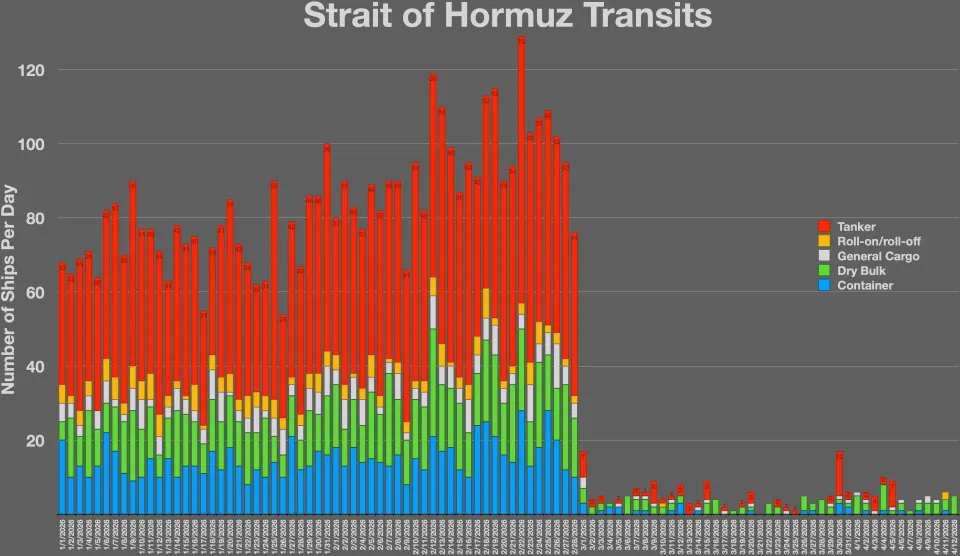
Chaos returned to the world's most critical energy chokepoint overnight. The British maritime agency UKMTO reported that a tanker was struck by an 'unknown projectile' off the Omani coast, near the mouth of the Strait of Hormuz. While details remain thin and no group has claimed responsibility, the timing is impeccable, coinciding with heightened naval activity and a fresh missile strike on a Qatari gas ship reported earlier. This event has immediately injected a risk premium into oil markets, testing the fragile peace deals of early summer.
This isn't just a maritime insurance headache; it's a direct threat to the global energy supply chain. For Iran, such incidents are a double-edged sword. While regional instability can drive up global crude prices—potentially helping export revenues—it also leads to a tightening noose of maritime surveillance and increased shipping costs for Iranian goods. The 'unknown' nature of the projectile adds a layer of psychological warfare, keeping traders on edge about whether this is an isolated incident or the start of a coordinated campaign against shipping.
NATO Summit in Ankara: Trump’s 5% Ultimatum
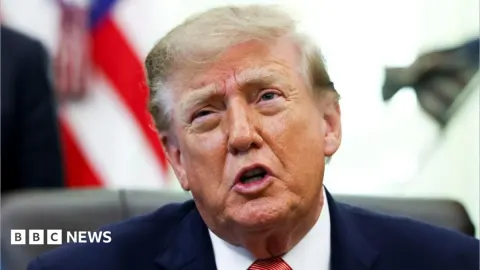
In Ankara, the atmosphere is reportedly 'electric' as 32 NATO member states gather for a summit that feels more like a boardroom audit. President Donald Trump has arrived with a singular, blunt demand: defense spending must hit 5% of GDP immediately. This is a massive jump from the previous 2% target and has left European allies scrambling. Mark Rutte, NATO’s secretary general, has called for 'clear and credible' plans to satisfy Washington, but the pressure is unprecedented. Trump’s message is clear: the US will no longer subsidize the security of nations that do not pay their 'fair share.'
The friction isn't just about money; it's about the alliance's direction regarding Iran and Arctic interests. A NATO under Trump’s aggressive financial dictates could lead to a more unpredictable and transactional US foreign policy. For the Iranian government, a fractured NATO might seem like an opportunity, but a US administration that demands high military readiness from its allies usually precedes a more confrontational stance in the Middle East. The summit is expected to be one of the most difficult in the alliance's 77-year history.
The Digital Gold Standard: US Strategic Bitcoin Reserve
In the digital world, the narrative has shifted from 'if' the US will embrace crypto to 'how' it will dominate it. The US Strategic Bitcoin Reserve, established by executive order in 2025, is now a pillar of American fiscal policy, treating BTC as a long-term reserve asset comparable to gold. Donald Trump recently admitted he became a 'big crypto guy' partly for political reasons, acknowledging the massive influence of the digital asset community. This policy explicitly directs that the government-held BTC—a massive stockpile—is not to be sold, providing a 'durable bottom' for global prices.

For Iranians using crypto as a hedge against the Toman's volatility, this US policy is a significant development. It validates Bitcoin as a legitimate sovereign asset, making it harder for international bodies to call for outright bans. However, it also means that Bitcoin’s price is increasingly tied to US political cycles and Federal Reserve movements. As the US government hoards more BTC, the 'decentralized' dream is meeting the reality of state-level accumulation, making the asset more stable but also more influenced by Washington’s whims.
Frequently Asked Questions
How did the Hormuz tanker incident affect the Iranian Rial?
What is the significance of Trump's 5% NATO spending demand?
What does the US Strategic Bitcoin Reserve mean for individual holders?
Why the Strait of Hormuz Is a Global Economic Flashpoint
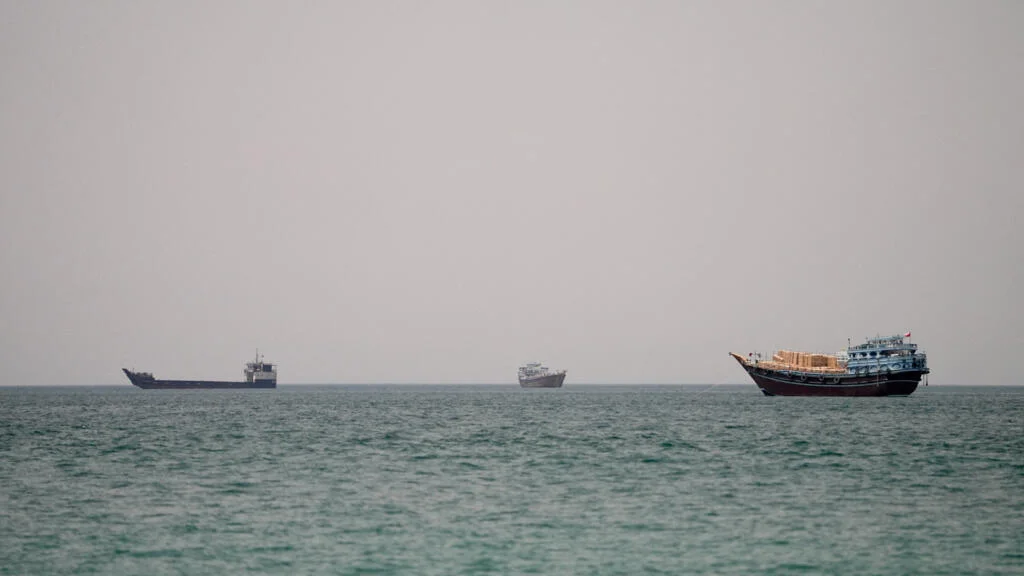
The Strait of Hormuz, a narrow waterway between Oman and Iran, is one of the world’s most vital maritime chokepoints. Roughly 20% of global oil consumption—about 21 million barrels per day—passes through this 21‑kilometre‑wide channel, making it a key conduit for energy‑dependent economies. Because the strait is so tight, any disruption—whether from geopolitical tension, a naval incident, or a targeted attack on a tanker—can instantly ripple through oil markets, spiking prices and unsettling financial markets worldwide.
Historically, the strait’s strategic importance has made it a focal point of great‑power rivalry. During the Iran‑Iraq War, Iran threatened to close the passage, prompting the U.S. to launch Operation Earnest Will to escort merchant vessels. More recently, the 2024 tanker strike reported by the UKMTO reminded the world how fragile the security of this route remains, prompting NATO members to discuss heightened naval presence at the Ankara summit.
The economic consequences of a closure are stark. A full shutdown would force oil‑importing nations to reroute shipments around the Cape of Good Hope, adding up to 10‑15 days to voyage times and increasing freight costs dramatically. Such a shock would raise global oil prices, boost the value of alternative assets like gold, and trigger currency volatility—factors that directly affect markets such as Tehran’s Toman‑denominated exchanges.
Because of these stakes, the strait also illustrates the concept of “strategic chokepoint” in international trade: a narrow geographic point where a disproportionate share of global traffic passes, giving the controlling power significant leverage. Understanding this helps explain why nations invest heavily in naval capabilities and why NATO’s defense‑spending commitments—currently a 2% of GDP guideline, with some leaders urging higher thresholds—are framed as safeguards for global commerce.
For students of geopolitics and economics, the Strait of Hormuz serves as a live case study of how geography, energy dependence, and security policy intertwine to shape world markets. Monitoring developments there offers early warning of broader economic shifts, from oil price spikes to movements in cryptocurrency and gold as investors seek safe havens.