IRGC Claims 85 Strikes on US Targets as Tensions Peak; Markets Brace for Impact
حملات تلافیجویانه سپاه به مواضع آمریکا؛ سایه سنگین تنشهای نظامی بر بازارهای مالی
The IRGC has announced a massive retaliatory operation targeting US military facilities, while gold prices climb and Bitcoin remains under pressure. President Pezeshkian returns to Tehran following the funeral of the martyred Leader as the region teeters on the edge of a broader conflict.
At time of publishing
USD
175,800
Toman
Gold 18K
17.75M
Toman / gram
Bitcoin
$62,557
US Dollar
Tether
177,608
Toman
IRGC Announces Major Retaliatory Strikes Against US Targets
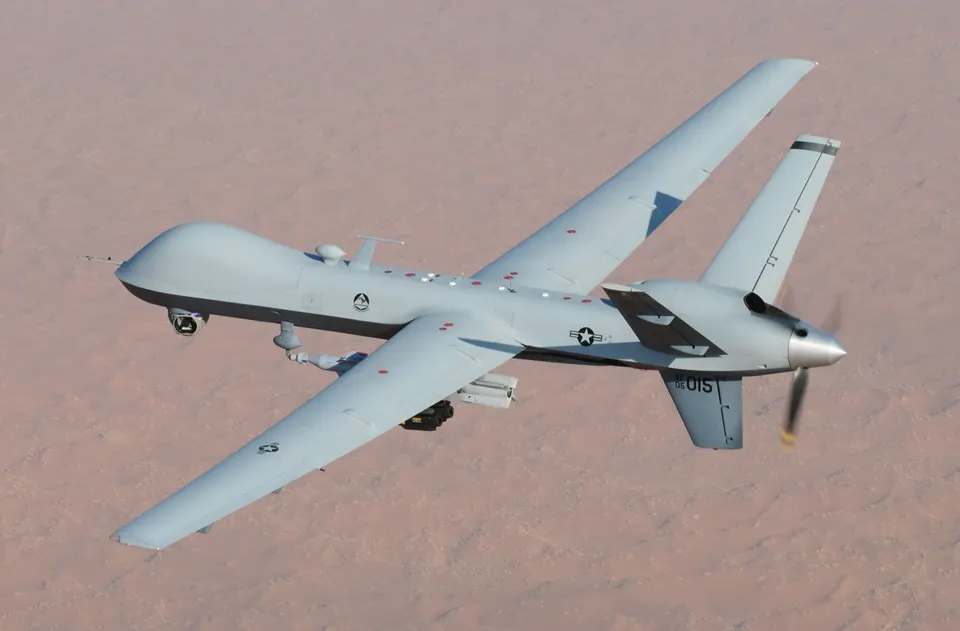
In a significant escalation of regional hostilities, the Islamic Revolution Guards Corps (IRGC) has announced that it launched a series of retaliatory strikes against 85 key American military facilities across the West Asia region. According to reports from Iranian state media, the operation was a direct response to recent US attacks. The IRGC also claimed to have successfully downed an American MQ-9 Reaper drone, a high-altitude unmanned surveillance aircraft that has become a symbol of US aerial presence in the region.
This development marks a dangerous peak in the ongoing friction between Tehran and Washington. While the full extent of the damage to US facilities remains unverified by independent sources, the sheer scale of the claimed operation—targeting dozens of locations—suggests a coordinated effort to disrupt American logistics and command structures in the Middle East. For the Iranian public, this news reinforces a sense of high-alert status, as the possibility of further counter-strikes looms over the national security landscape.
What this means for the average citizen is a period of extreme uncertainty. Military escalations of this magnitude typically trigger immediate reactions in supply chains and regional shipping lanes, particularly the Strait of Hormuz. As seen in previous cycles of tension, such events often lead to increased government spending on defense and potential disruptions in trade, which can indirectly fuel domestic inflation and tighten the availability of imported goods.
Markets React: Gold Rises While Bitcoin Struggles Under Geopolitical Pressure
As news of the military strikes broke, global and domestic markets responded with characteristic volatility. In the Iranian market, Gold 18k/gram rose from 17,637,010 to 17,752,435 Toman (+0.7%), while the Emami gold coin climbed from 179,000,000 to 180,000,000 Toman (+0.6%). This upward movement reflects a classic flight to safety, as investors shed riskier assets in favor of the stability traditionally offered by precious metals during times of war and political upheaval.
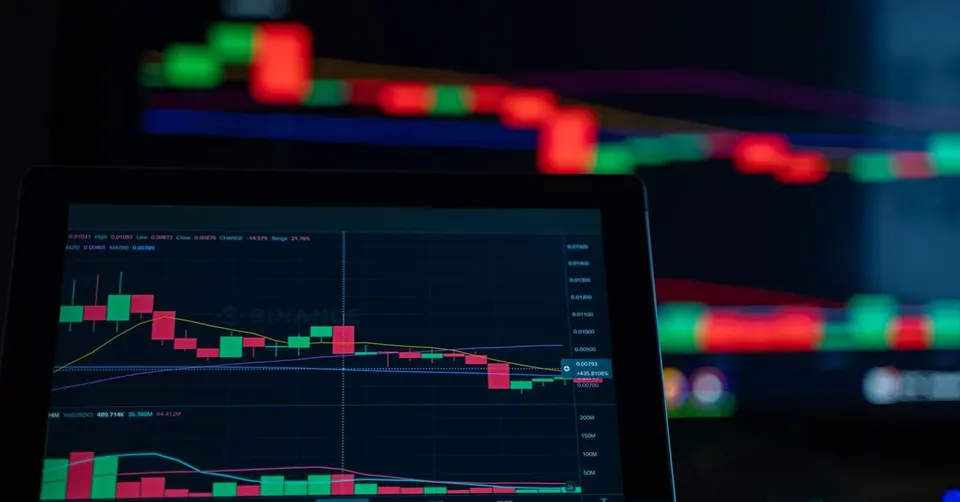
In contrast, the cryptocurrency market has faced significant headwinds. Bitcoin (BTC) is currently trading at $62,557, under pressure as the escalation in the Middle East drove oil prices higher and dampened appetite for speculative digital assets. Historically, while Bitcoin is sometimes viewed as "digital gold," in the immediate aftermath of kinetic military action, it often trades more like a tech stock—dropping as liquidity dries up and investors move toward cash or physical gold. The 24h delta for the USD/IRR remained flat at 175,800 Toman, though the Tether (USDT) rate at 177,608 Toman suggests a slight premium as citizens look for ways to move capital into stable digital dollars.
For local traders, the current environment demands extreme caution. The widening gap between the official-market USD and the USDT rate often signals a lack of confidence in the immediate stability of the Rial. If military tensions continue to boil over, we may see further divergence, making it increasingly expensive for businesses to hedge against currency devaluation. The focus remains on whether the USD sell rate of 175,800 can hold if the geopolitical situation deteriorates further.
Political Transition Amidst Crisis: Pezeshkian Returns to Tehran
President Masoud Pezeshkian has officially departed Najaf for Tehran after attending the funeral ceremonies for the late Leader of the Islamic Revolution, Ayatollah Seyyed Ali Khamenei. The President’s return comes at a critical juncture, as the nation navigates a dual crisis: a major leadership transition following the death of the Supreme Leader and an active military confrontation with US forces. State media reported that Pezeshkian also visited the shrine of Imam Ali in Najaf before his departure, signaling a continued emphasis on religious and regional ties during this mourning period.
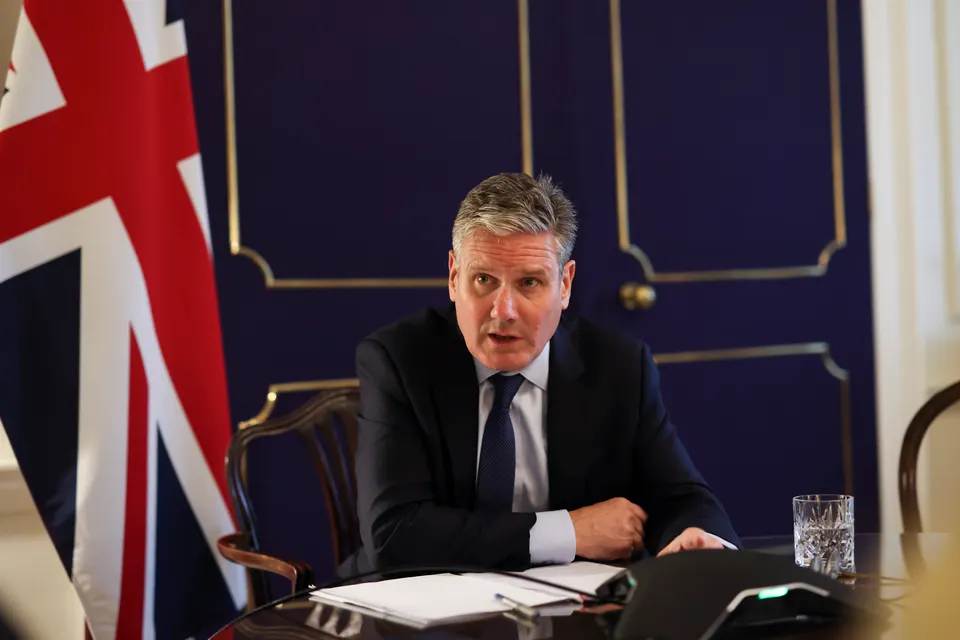
The return of the President to the capital is expected to lead to immediate high-level meetings with the National Security Council to manage the fallout from the IRGC’s recent strikes. The government faces the daunting task of maintaining domestic order while projecting strength on the international stage. For the Iranian public, the primary concern is whether the new administration can prevent the current military friction from spiraling into a full-scale economic blockade or a more destructive direct conflict that would further strain the country's fragile infrastructure.
The Global Energy Dilemma: AI Demands and the Power Grid
Beyond the immediate drums of war, a secondary but vital story is emerging regarding the global energy sector and the rise of Artificial Intelligence. Reports indicate that the AI boom is placing unprecedented strain on the U.S. power grid, with companies like Microsoft signing 20-year deals to restart nuclear plants like Three Mile Island to meet data center demands. This shift highlights a growing global competition for energy resources that could eventually impact energy-rich nations like Iran, either through increased demand for natural gas or heightened sanctions on energy technology.
While this may seem distant from the current strikes in West Asia, the two are linked by the global price of energy. Any disruption in the Middle East that sends oil prices higher—as we are seeing now—compounds the pressure on global economies already struggling to power the next generation of technology. As the world moves toward high-energy AI infrastructure, the strategic value of Iranian energy reserves remains a double-edged sword: a source of potential wealth, but also a primary target for international sanctions and geopolitical maneuvering.
Frequently Asked Questions
How has the IRGC strike affected the price of gold in Iran?
Why is Bitcoin falling while gold is rising during this conflict?
What is the significance of the MQ-9 drone being downed?
Why the Strait of Hormuz Is a Global Economic Flashpoint
The Strait of Hormuz, a narrow waterway between the Persian Gulf and the Gulf of Oman, is only about 21 nautical miles wide at its narrowest point. Despite its modest dimensions, roughly 20% of the world’s oil consumption passes through this channel each day, making it one of the most critical maritime chokepoints for global energy supplies. Nations that rely on oil imports—especially in Asia, Europe, and the United States—watch the strait closely because any disruption can instantly ripple through oil markets, affecting everything from gasoline prices to the cost of goods.
Historically, the strait has been a flashpoint for geopolitical tension. During the 1980s Iran–Iraq War, Iran mined the waters and attacked oil tankers, prompting the U.S. Navy’s “Operation Earnest Will” to escort merchant ships. More recently, Iran’s Revolutionary Guard Corps (IRGC) has threatened to close the strait in retaliation for U.S. actions, such as the downing of an MQ‑9 drone. These threats are not merely rhetorical; the 2019 attacks on oil tankers and the 2020 seizure of the Kokuka Courageous demonstrated how quickly a single incident can raise the specter of a broader closure.
The economic fallout from a potential strait shutdown extends far beyond oil. When traders anticipate reduced supply, they price in a “geopolitical risk premium,” which lifts not only crude but also related assets like gold—a traditional safe‑haven. In July 2026, for example, gold prices spiked as investors hedged against the heightened risk of a Hormuz disruption. Cryptocurrencies such as Bitcoin have also shown sensitivity; heightened tension can drive capital into digital assets as investors seek alternatives to fiat currencies potentially impacted by sanctions and market volatility.
In the current context, the IRGC’s claim of 85 strikes on U.S. targets and the downing of an MQ‑9 drone have amplified market anxiety. Analysts monitor the strait’s traffic reports and naval deployments to gauge the likelihood of a closure. Even the mere possibility can trigger swift movements in oil futures, prompting central banks and investors to adjust policy stances and portfolio allocations. Understanding the strategic importance of the Strait of Hormuz thus provides a lens through which to interpret the broader economic reverberations of Middle‑East military confrontations.