Gulf Tensions Explode: US Strikes, Sanctions Return, and Tehran’s Defiant Response
تنش در خلیج فارس؛ حملات متقابل، بازگشت تحریمها و واکنش تند قالیباف به نقض تفاهمنامه
Overnight, the fragile peace in the Strait of Hormuz shattered as the US launched strikes against Iranian targets and reimposed crude oil sanctions. While oil prices surged and gold hit new heights, Tehran’s leadership declared the 'era of bullying' over, signaling a deep diplomatic breakdown.
At time of publishing
USD
175,800
Toman
Gold 18K
17.76M
Toman / gram
Bitcoin
$62,583
US Dollar
Tether
177,518
Toman
Market Open — Gold Shines While USD Holds Breath
Good morning. The Tehran market opens today under a cloud of significant geopolitical tension. As of 09:30, the US Dollar (USD/IRR) is holding steady at 175,800 Toman, showing 0.0% change over the last 24 hours. However, this stability feels like the calm before a potential storm, as traders digest the overnight military escalations in the Persian Gulf. While the currency remains flat, the gold market is already reacting to the global flight to safety.
Gold 18k per gram has risen to 17,761,669 Toman, a 0.7% increase from yesterday's 17,637,010. Similarly, the Emami coin has crossed the 180,000,000 Toman mark, up 0.6%. This local rise is compounded by a historic surge in global gold prices, with the ounce currently trading at a staggering $4,128.60. Bitcoin (BTC) is trading at $62,583, as investors worldwide look for alternatives to traditional currencies, particularly with the Japanese Yen facing a historic collapse that is driving institutional interest toward crypto and XRP.
The Strait of Hormuz Ignites: Strikes and Sanctions
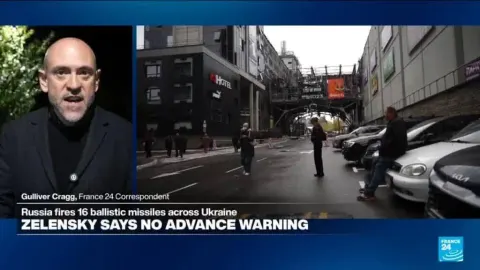
Global energy markets were jolted overnight following a series of military exchanges in the Strait of Hormuz. According to reports, the United States military carried out strikes against missile sites and command centers within Iran. This kinetic action followed alleged Iranian attacks on three commercial vessels off the Omani coast, including a Qatari LNG carrier and a Saudi oil tanker. The cycle of retaliation has effectively ended the recent period of relative maritime calm, putting the recovery of global shipping at immediate risk.
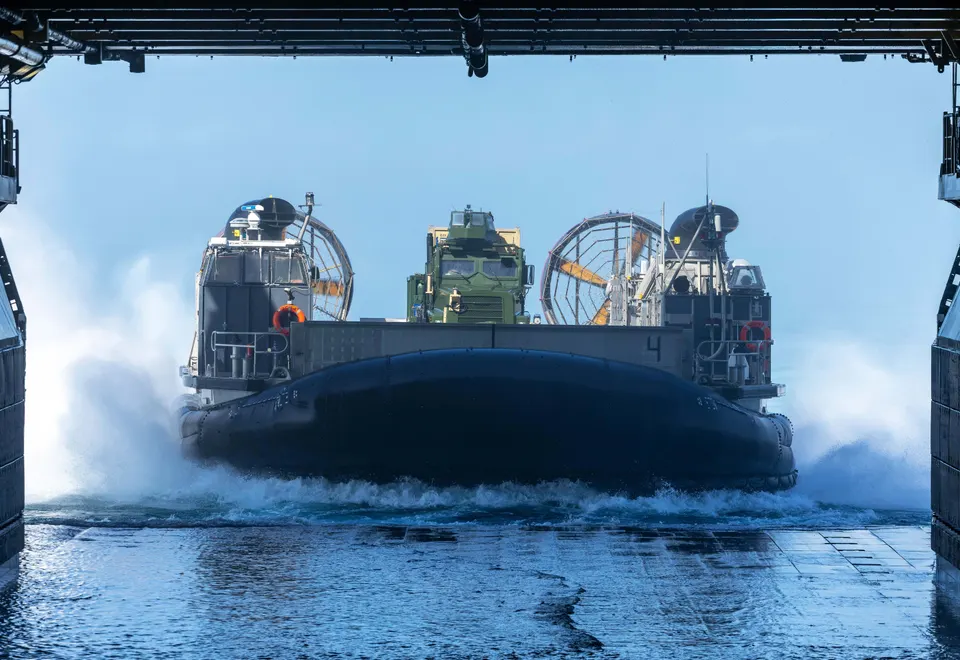
In tandem with the military strikes, the U.S. Treasury officially revoked a critical waiver that had allowed global sales of Iranian crude oil. By reimposing these sanctions, Washington aims to throttle Tehran's primary source of hard currency in direct response to the maritime flare-up. Brent crude oil prices immediately jumped, trading at $76.58 per barrel, as traders began pricing in the risk of a prolonged blockade or further disruption in the world's most vital energy chokepoint.
For the average Iranian, this escalation signals a return to maximum pressure tactics. The revocation of the oil waiver is particularly concerning for the national budget and the long-term stability of the Toman. While the Central Bank may attempt to defend the current 175,800 level, the combination of reduced oil revenue and increased military spending creates a challenging environment for inflation control in the coming months.
Ghalibaf’s Defiance: The Death of the 14-Point MoU
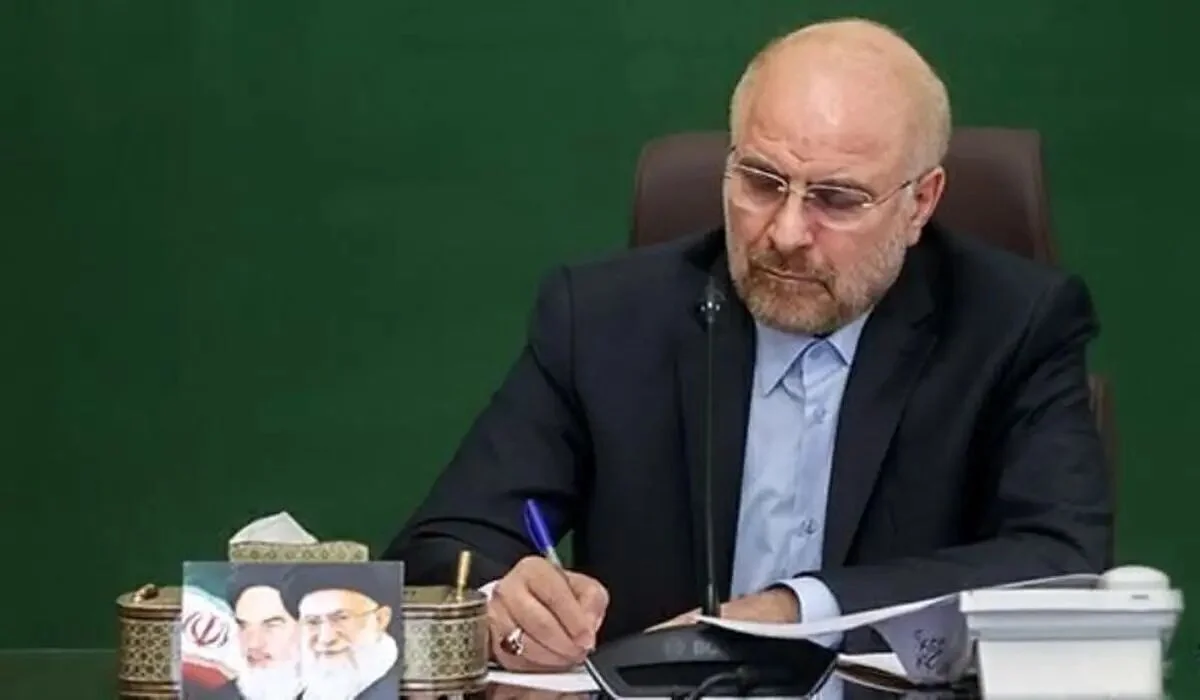
In Tehran, the political response was swift and sharp. Mohammad Bagher Ghalibaf, the Speaker of the Iranian Parliament, condemned the United States for what he termed a violation of a 14-point memorandum of understanding (MoU). Speaking to state media, Ghalibaf claimed that the "era of bullying is over" and argued that Washington’s actions prove it cannot be trusted to uphold diplomatic agreements. He characterized the new sanctions and military strikes as a continuation of a failed policy of pressure that would only lead to further resistance.

This rhetoric signals a significant hardening of the Iranian government's stance. The 14-point MoU, which many hoped would provide a framework for de-escalation, now appears to be a dead letter. Ghalibaf’s statements suggest that the legislative body is prepared to back further escalatory measures if the U.S. does not reverse its current course. This domestic political climate makes any short-term diplomatic breakthrough highly unlikely, as both sides have retreated to entrenched positions.
What this means for the Iranian public is a heightened sense of uncertainty. When the Speaker of the Parliament uses such aggressive language, it often precedes new domestic policies focused on a "resistance economy," which can translate to stricter capital controls and further restrictions on imports. The gap between official rhetoric and the economic reality of the citizens continues to widen as the geopolitical stakes reach a fever pitch.
Global Fallout: From Oil Spikes to Currency Shifts
The impact of the Gulf crisis is vibrating through global markets far beyond Tehran and Washington. Beyond the immediate jump in Brent and WTI crude, the instability is affecting currency markets worldwide. In Japan, the yen is collapsing to levels not seen since 2007, a phenomenon that is pushing Japanese corporations and hedge funds to seek refuge in Bitcoin and XRP. This shift highlights a growing trend where geopolitical instability in one region (the Middle East) accelerates the adoption of alternative assets in another (East Asia).
Furthermore, the regional income divide in major economies like the UK remains stark, with new reports suggesting that 30 years of government promises have failed to narrow the gap. As global energy prices rise due to the Hormuz crisis, these existing economic fractures are likely to worsen. High energy costs act as a regressive tax, hitting the poorest households the hardest, whether in London or Lorestan. The interconnectedness of today’s world means that a missile strike in the Gulf eventually shows up in the price of bread and electricity across the globe.
As we move into the trading day, all eyes will be on the volume of trade in the Tehran bazaar and the Nima rate. If the military situation stabilizes, we might see a correction in gold prices, but if the rhetoric from Ghalibaf and the U.S. administration continues to escalate, the 175,800 Toman floor for the dollar may soon become a ceiling of the past. Stay informed, stay cautious, and watch the gold ounce closely.
Frequently Asked Questions
Why did the US revoke the Iranian oil waivers now?
What was the 14-point MoU mentioned by Ghalibaf?
How has the global gold price reached $4,128?
Understanding Geopolitical Choke Points: The Strait of Hormuz and Global Energy Security
In the intricate web of global trade and energy supply, certain narrow passages hold disproportionate strategic importance. These are known as geopolitical choke points – critical maritime routes through which a significant volume of global commerce, particularly oil and natural gas, must pass. Disruptions at these points, whether due to conflict, piracy, or political instability, can send shockwaves across international markets, affecting everything from energy prices to consumer goods and the stability of national economies. Understanding these choke points is key to grasping how regional tensions can quickly escalate into global crises.
The Strait of Hormuz stands as arguably the world's most critical oil transit choke point. Located between Oman and Iran, it connects the Persian Gulf with the Arabian Sea and the broader Indian Ocean. Over one-fifth of the world's total petroleum liquids consumption, and a substantial portion of global liquefied natural gas (LNG) trade, transits through this 21-mile-wide passage daily. Countries like Saudi Arabia, Iran, Iraq, Kuwait, Qatar, and the UAE rely heavily on the Strait for their energy exports, making its security paramount for both producers and major consumers in Asia, Europe, and North America.
Recent headlines highlighting US strikes, renewed sanctions on Iranian oil, and the looming threat of attacks in the Strait underscore its volatility. When tensions flare in this region, the immediate economic fallout is often a sharp increase in global oil prices. Traders anticipate potential supply disruptions, driving up futures contracts. This directly contributes to a "global energy crisis" by raising fuel costs for businesses and consumers worldwide. Furthermore, such instability often leads investors to seek safe-haven assets, explaining phenomena like "gold price records" and significant fluctuations in currency exchange rates, such as the "USD/IRR exchange rate," as capital flows react to perceived risk.
In essence, the Strait of Hormuz exemplifies how a localized geopolitical flashpoint can quickly trigger a cascade of global economic consequences. The strategic vulnerability of such a critical choke point means that any significant disruption has far-reaching implications for energy security, international trade, and financial markets, transforming regional disputes into challenges that demand global attention and cooperation.