Gulf Tension Triggers Oil Surge as Tankers Retreat; Toman Weakens Amid Escalation
جهش قیمت نفت و عقبنشینی نفتکشها در پی درگیریهای خلیج فارس؛ تلاطم در بازار ارز تهران
Crude prices spiked and tankers reversed course after fresh U.S.-Iran strikes in the Persian Gulf. Meanwhile, the Iranian Toman fell 1.1% against the dollar as geopolitical risk dampens market sentiment.
At time of publishing
USD
177,700
Toman
Gold 18K
17.87M
Toman / gram
Bitcoin
$62,003
US Dollar
Tether
178,900
Toman
Energy Markets Shaken as Tankers Perform U-Turns in Hormuz
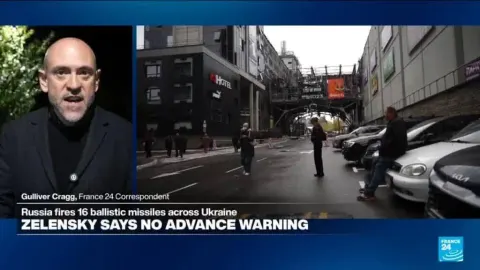
The Persian Gulf has entered a critical new phase of volatility following a series of retaliatory strikes between U.S. and Iranian forces. According to vessel-tracking data, at least four oil and liquefied natural gas (LNG) tankers performed abrupt U-turns in the last 12 hours, abandoning their attempts to transit the Strait of Hormuz. This retreat follows reports of attacks on three commercial vessels on Tuesday, signaling a major disruption to global energy corridors that had previously maintained a precarious stability. The movement of these massive vessels away from the chokepoint suggests that shipowners and insurers now view the risk of transit as unacceptably high, potentially leading to a temporary blockade of the world's most vital oil artery.
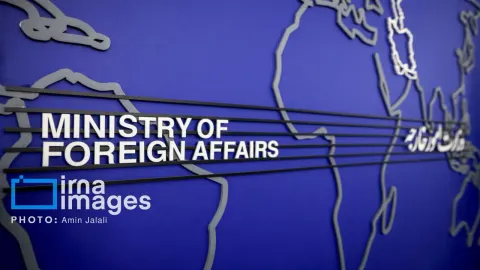
Tehran’s Foreign Ministry has officially condemned U.S. military assaults on monitoring facilities along the country’s southern coast, warning that Washington will "bear responsibility" for the consequences of escalating tensions. This cycle of strike-and-counterstrike has immediately impacted global energy markets, causing oil prices to jump as traders price in the risk of a prolonged conflict. This escalation is occurring against a backdrop of high regional emotion, as Iraqi sources reported that over 2.3 million people participated in a funeral procession in Najaf for the late Iranian leader. For the global economy, the closure or restriction of the Strait represents a significant threat to inflation targets, as the region remains the source of a significant portion of the world's crude oil and gas exports.
Toman and Gold Rally as Risk Appetite Dissipates
The immediate domestic consequence of the maritime escalation has been a sharp uptick in safe-haven demand across Iranian markets. The US Dollar (USD) rose from 175,800 to 177,700 Toman, marking a 1.1% increase in just 24 hours. Similarly, Gold 18k per gram climbed from 17,637,010 to 17,867,860 Toman (+1.3%), while the Emami coin rose by 0.8% to reach 180,500,000 Toman. These movements reflect a "flight to safety" as investors and citizens alike anticipate further geopolitical friction and the potential for a return to more stringent economic pressures. The Tether (USDT) rate in the unofficial market has reached 178,900 Toman, indicating that the digital dollar is trading at a premium compared to physical cash.
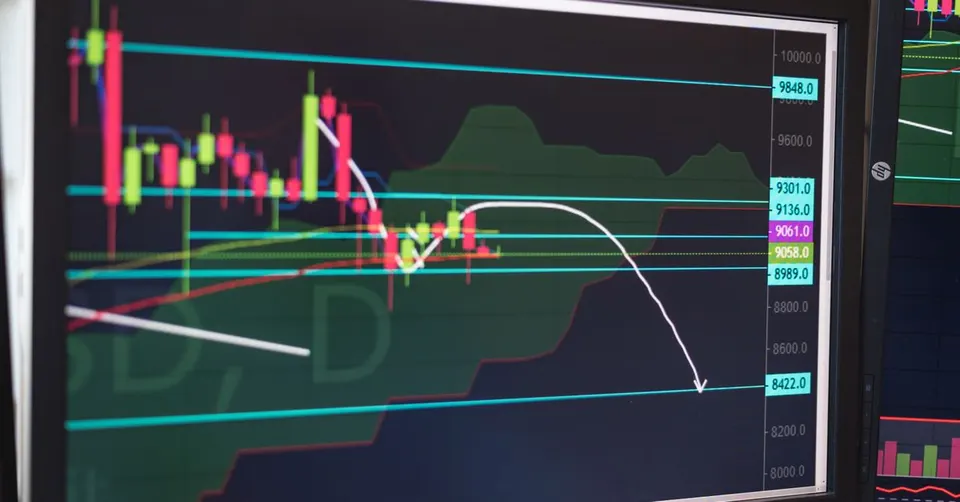
This regional instability is also weighing heavily on global crypto markets, which often react poorly to sudden geopolitical shocks. Bitcoin (BTC) has slipped below the $63,000 mark, currently trading near $62,003, as the heightened risk of conflict in the Middle East dampens the global appetite for speculative assets. Analysts suggest that the correlation between Persian Gulf tensions and the weakening of the Toman is becoming more pronounced, as local traders move capital into physical gold or stablecoins to preserve value against potential currency shocks. The rapid rise in the price of the Emami coin to over 180 million Toman highlights the intensity of the current market anxiety.
AI Infrastructure War: SambaNova Hits $11B Valuation
While geopolitical headlines dominate the news cycle, the artificial intelligence sector continues to see massive capital inflows, highlighting a divergence between the traditional economy and the tech frontier. AI chip maker SambaNova has successfully raised $1 billion in a new funding round, bringing its valuation to a staggering $11 billion. This comes just months after rumors circulated that Intel was considering an acquisition of the firm for a fraction of that price. The successful raise underscores the insatiable demand for specialized hardware capable of training and running the next generation of Large Language Models (LLMs), even as global trade risks increase.

In tandem with hardware growth, the software layer is also evolving to reduce the massive operational costs associated with AI. French startup ZML has released "ZML/LLMD," a free product designed to speed up AI inference across various chip architectures. Endorsed by industry figures like Turing Award winner Yann LeCun, the software aims to make running complex AI models less cost-prohibitive. However, the sector still faces security challenges; recent reports indicate that hackers are weaponizing the "hallucination" tendencies of popular AI tools to assemble massive botnets. For the industry, these developments mean that while the hardware race continues, the focus is shifting toward efficiency and security to ensure that AI development remains resilient amidst global uncertainty.
Watch
US military strikes Iran after it says Tehran attacked 3 ships in Strait of Hormuz
Associated Press
Frequently Asked Questions
Why are oil tankers making U-turns in the Strait of Hormuz?
How has the USD/IRR exchange rate reacted to the latest news?
What is SambaNova and why is its $11B valuation significant?
The Strategic Chokepoint: Understanding the Strait of Hormuz
The Strait of Hormuz is one of the world's most critical maritime chokepoints, a narrow waterway connecting the Persian Gulf with the Arabian Sea and the broader Indian Ocean. At its narrowest point, it is only about 21 nautical miles (39 kilometers) wide, yet it serves as the sole sea passage from the Persian Gulf to the open ocean for a significant portion of the world's oil supply. Flanked by Iran to the north and Oman and the United Arab Emirates to the south, its geographical position makes it an indispensable conduit for global energy trade.
Its strategic importance stems primarily from the immense volume of oil and liquefied natural gas (LNG) that transits its waters daily. Roughly one-fifth of the world's total petroleum consumption, and a substantial portion of global LNG, passes through this strait. Major oil producers like Saudi Arabia, Iran, Iraq, Kuwait, Qatar, and the UAE rely on the Strait of Hormuz to export their crude oil and refined products to international markets, particularly to energy-hungry economies in Asia, Europe, and North America. Any disruption to shipping in this strait, therefore, has immediate and far-reaching implications for global energy prices and supply security.
Geopolitical tensions in the region frequently highlight the Strait's vulnerability. Threats to shipping, military exercises, or actual conflicts can lead to sharp spikes in global oil prices, as traders factor in the risk of supply disruptions. Tanker retreats, as mentioned in the headline, are a direct response to such perceived risks, reducing available shipping capacity and further exacerbating price volatility. Beyond crude oil, the strait's closure or severe disruption would also impact other commodities and global trade routes, sending shockwaves through international markets and potentially triggering broader economic instability.
For regional economies, particularly Iran, the implications are even more direct. While Iran itself uses the strait for its oil exports, any escalation of tensions or international sanctions impacting the strait can severely cripple its economy. The weakening of the Toman, Iran's currency, often correlates with increased geopolitical risk in the Gulf, as investors and the public lose confidence in economic stability, leading to capital flight and inflationary pressures. Understanding the Strait of Hormuz's role is thus key to grasping the intricate link between geopolitics, energy markets, and economic stability.