Trump Declares Iran Ceasefire 'Over' at NATO Summit; Toman Breaches 180,000 Milestone
ترامپ در اجلاس ناتو پایان آتشبس با ایران را اعلام کرد؛ دلار از مرز ۱۸۰ هزار تومان گذشت
President Trump has officially declared the ceasefire with Iran 'over' during a high-stakes NATO summit, triggering an immediate 2.5% spike in the USD/IRR rate. As military strikes between the two nations intensify, global markets are bracing for 'full conflict conditions' in the Strait of Hormuz.
At time of publishing
USD
180,150
Toman
Gold 18K
17.79M
Toman / gram
Bitcoin
$62,097
US Dollar
Tether
180,069
Toman
Trump Shreds Iran Ceasefire Agreement at NATO Summit
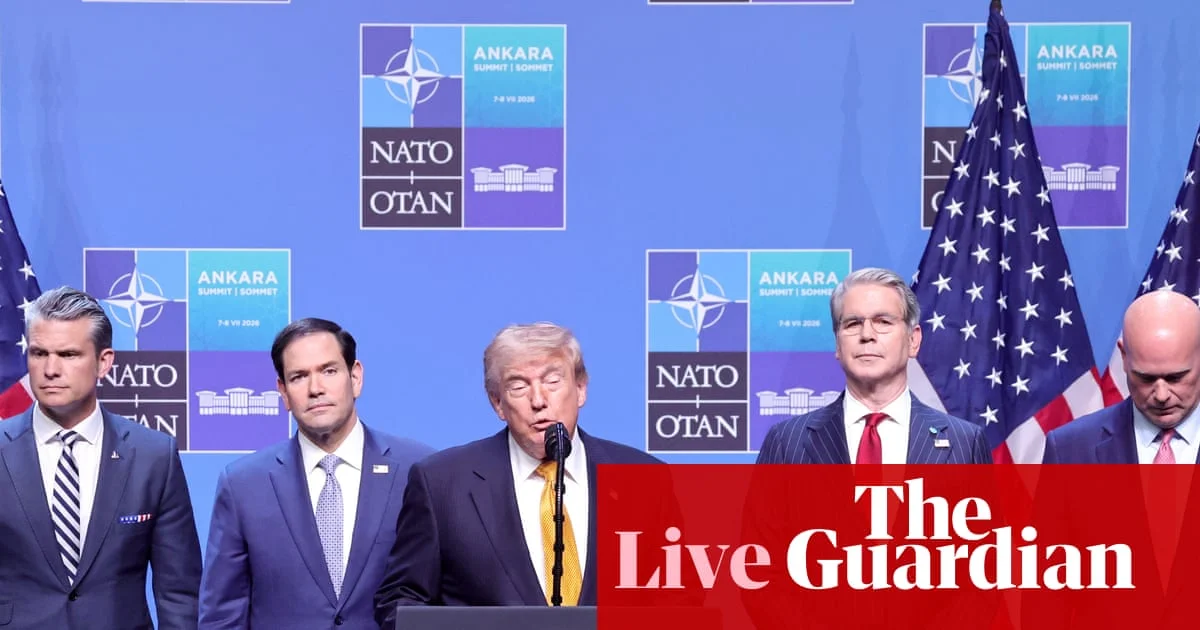
In a dramatic turn of events at the NATO summit in Ankara, President Donald Trump has declared that the fragile ceasefire between the United States and Iran is officially "over." Speaking to reporters and world leaders, Trump cited recent exchanges of military strikes as the primary reason for the collapse of diplomatic efforts. He suggested that while the U.S. would "probably" strike Iranian targets again, he remains confident that any resulting conflict would be resolved quickly. This hawkish rhetoric marks a significant departure from previous attempts at de-escalation and signals a new, more aggressive phase in the regional confrontation.
Trump’s appearance at the summit was characterized by a mix of sharp criticism for traditional allies and unexpected praise for others. He lashed out at Spain, labeling their stance on the Iran conflict as "very bad" and even suggesting a total trade cutoff, while criticizing the United Kingdom's approach as not being in the "spirit of Winston Churchill." Conversely, he offered high praise for Turkey’s Recep Tayyip Erdoğan and, in a move that surprised many diplomats, expressed positive sentiments toward China. This erratic diplomatic maneuvering has left allies scrambling to understand the future of NATO’s unified front regarding Middle Eastern security.

Toman Plummets as War Risk Hits Tehran Markets
The immediate fallout from the collapse of the ceasefire has been felt most acutely in the Iranian currency markets. The US Dollar (USD) moved from 175,800 to 180,150 Toman, representing a sharp 2.5% depreciation of the national currency in just 24 hours. This breach of the 180,000 psychological barrier reflects a growing sense of panic among local investors and citizens who are seeking refuge in hard assets. Gold prices followed suit, with 18k gold rising from 17,637,010 to 17,787,063 Toman (+0.9%), while the Emami coin climbed from 179,000,000 to 181,000,000 Toman (+1.1%).
Market analysts suggest that the combination of Trump's rhetoric and the actual exchange of fire has effectively neutralized any remaining hopes for a diplomatic breakthrough in the near term. The "war premium" is now being fully priced into the Toman, as the threat of renewed heavy sanctions and potential disruptions to oil exports looms large. For the average Iranian, this translates to immediate inflationary pressure on imported goods and a further erosion of purchasing power, as the market prepares for a period of sustained volatility and geopolitical uncertainty.
---
The Billion-Dollar Drone War and Global Energy Fears
Beyond the verbal sparring, the physical cost of the conflict is becoming apparent. Reports indicate that the U.S. military has lost approximately $1 billion worth of Reaper drones during the recent escalations with Iran. This staggering loss has prompted the Pentagon to fast-track the development of cheaper, "hunter-killer" drones that can be deployed in high-risk environments without the massive financial liability of high-end platforms. This shift in military procurement highlights the evolving nature of modern warfare, where low-cost, mass-produced technology is becoming essential to counter sophisticated air defense systems.

Meanwhile, the global energy sector is on high alert as the Strait of Hormuz enters what analysts call "full conflict conditions." Oil prices are surging as the risk of a total blockade or sustained attacks on tankers increases. This geopolitical tension is being compounded by economic signals from the United States, where Federal Reserve minutes revealed that some officials were still pushing for interest rate hikes as recently as June. The combination of a hawkish Fed and a potential energy crisis creates a complex environment for global markets, where the safe-haven appeal of gold (now at $4,068.70 per ounce) and the US dollar remains the dominant trend.
Frequently Asked Questions
Why did Trump declare the ceasefire with Iran over?
What is the significance of the 180,000 Toman level for the USD?
How is the U.S. military responding to the loss of $1 billion in drones?
How International Sanctions Drive Iran’s Currency Crisis
International sanctions are more than just diplomatic statements; they directly shape a country’s economy by cutting off access to foreign finance, technology, and markets. In Iran’s case, the United States and its allies have imposed layers of sanctions that restrict Iranian banks from using the SWIFT system, ban the export of oil‑related technology, and freeze overseas assets. When a nation cannot sell its primary export—oil—on the open market, the inflow of foreign currency dries up, creating a severe shortage of dollars needed to import essential goods.
A shortage of foreign currency forces the domestic exchange market to rely on a black‑market rate, which can diverge dramatically from the official rate set by the central bank. As demand for dollars outstrips supply, the Iranian rial (and its newer denomination, the toman) depreciates rapidly. In July 2026 the toman breached the 180,000‑to‑1 mark against the U.S. dollar, a level that had not been seen since the early 1990s. This devaluation erodes purchasing power, spikes inflation, and pushes Iranians to seek refuge in hard assets such as gold, which saw its price surge in Tehran.
The mechanics of devaluation are amplified by inflation expectations. When people anticipate that prices will keep rising, they rush to convert their cash into foreign currency or tangible stores of value, further draining the limited dollar reserves. The central bank may intervene by raising interest rates or selling foreign reserves, but under sanctions those reserves are often frozen abroad, limiting policy options. Consequently, the economy can spiral into hyperinflation, as witnessed in Iran’s recent history.
Understanding this process helps explain why geopolitical events—like a cease‑fire declaration at a NATO summit or a military strike—can have immediate ripple effects on the exchange rate. Market participants react not only to the direct impact of conflict but also to the anticipated tightening or loosening of sanctions that typically follow such events. The result is a volatile currency market where a single headline can trigger massive swings in the rial‑to‑dollar rate.
For anyone watching Iran’s economy, the key takeaway is that sanctions create a structural imbalance between foreign currency supply and domestic demand. This imbalance fuels exchange‑rate volatility, pushes citizens toward alternative stores of value, and can destabilize the broader economy unless there is a concerted effort to lift sanctions or find alternative trade channels.