Iran's Charged Atmosphere and Market Repercussions Amid US Tensions
فضای ملتهب ایران و پیامدهای بازار در پی تنشهای آمریکا
Iran remains tense following the Ayatollah's funeral, with escalating grievances against the US. This has direct implications for Iranian markets, affecting currency, gold, and economic expectations.
At time of publishing
USD
180,150
Toman
Gold 18K
17.79M
Toman / gram
Bitcoin
$62,179
US Dollar
Tether
179,992
Toman
Atmosphere in Iran Remains Tense
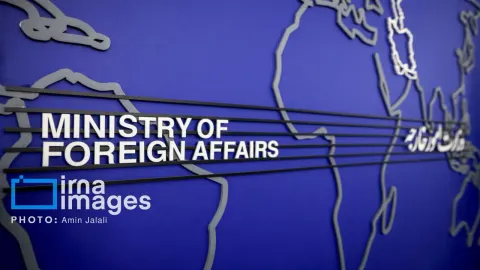
In the wake of the Ayatollah's funeral, the atmosphere in Iran has become charged with tension, exacerbated by escalating grievances against the United States. The situation has been described as a turning point in the history of Shia Islam by Iran's foreign ministry, which held a press briefing in Tehran. The ministry's spokesperson, Esmail Baghaei, compared the late Ayatollah Khamenei to Imam Hussain, a revered figure in Shia Islam, and likened US President Donald Trump to Yazid, a historical tyrant. This rhetoric underscores the deepening divide between Iran and the US as tensions continue to rise.
These developments are significant not only for their political implications but also for the economic impact they have on Iran. The charged atmosphere has direct consequences for Iranian markets, influencing currency exchange rates, gold prices, and overall economic confidence. As the tensions with the US persist, the Iranian toman has seen fluctuations, impacting the purchasing power and financial stability of citizens.

Market Implications of US-Iran Tensions
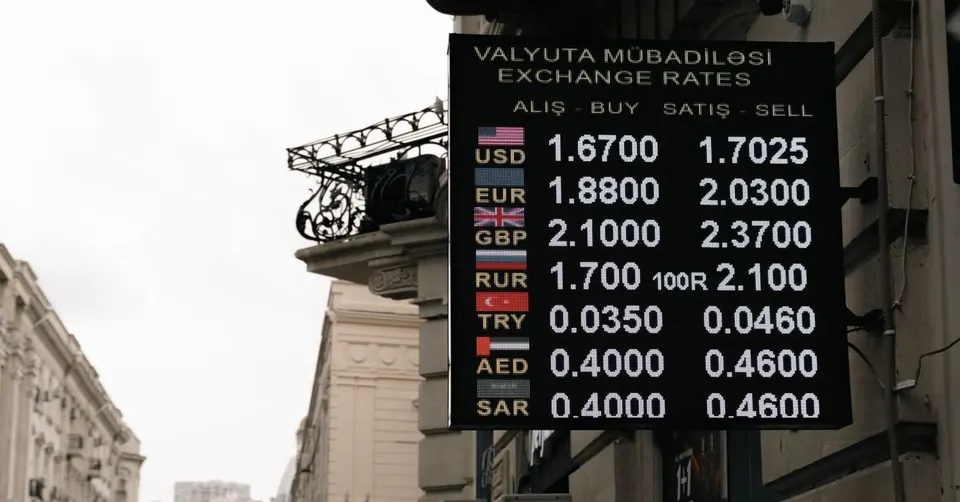
The ongoing US-Iran tensions have already manifested in the markets, as seen by the recent movements in currency and gold prices. The Iranian toman has experienced volatility, with the USD/IRR exchange rate rising from 175,800 to 180,150 tomans, a 2.5% increase in just 24 hours. This shift indicates growing uncertainty and the pressure on Iran's economy amidst the geopolitical strife.
Gold, commonly seen as a safe haven during times of crisis, has also seen an uptick. The price of Emami coins rose from 179,000,000 to 181,000,000 tomans, marking a 1.1% increase. This rise in gold prices reflects investors' search for stability in uncertain times and highlights the broader economic ramifications of the ongoing conflict.
Global Economic Forecast Amid Iran War
The International Monetary Fund (IMF) has downgraded its global economic growth forecast for 2026 to 3%, citing the negative impact of the ongoing Iran war. This revision from the previous 3.5% forecast underscores the broader economic implications of the conflict, including higher oil prices and increased global consumer prices, which are expected to rise by 4.7%. These factors contribute to the halting of the temporary cooling in inflation seen over the past two years.
While the AI boom offers a glimmer of hope with potential productivity gains, the overarching economic narrative remains one of caution. The Iran-US conflict's ripple effects are felt worldwide, impacting not only trade and energy markets but also consumer confidence and economic stability.

Frequently Asked Questions
Why is Iran's atmosphere currently tense?
How are US-Iran tensions affecting the Iranian markets?
What is the IMF's global economic forecast amidst the Iran war?
How has the USD/IRR exchange rate been affected?
What role does gold play during the Iran-US conflict?
Economic Sanctions and Their Direct Impact on the Iranian Toman
Economic sanctions are coercive tools used by countries or international bodies to pressure a target nation into changing policies, often by restricting access to financial systems, trade, and technology. While the political objectives vary, the immediate economic fallout is usually felt in the target’s currency markets, where reduced foreign‑exchange inflows and heightened uncertainty can trigger sharp devaluations.
In practice, sanctions choke the flow of hard currency needed to purchase imports and service external debt. When a country like Iran loses its ability to sell oil on the open market or is cut off from the SWIFT payment network, its central bank faces a shortage of dollars and euros. To meet domestic demand for foreign exchange, authorities may raise the official exchange rate or allow the market rate to plunge, which erodes the purchasing power of the local currency—in Iran’s case, the toman (10 rials).
Since the re‑imposition of U.S. secondary sanctions in 2018 and the escalation following the 2020‑2023 diplomatic crises, the Iranian toman has lost more than 80 % of its value against the dollar. Inflation has surged above 40 % annually, and many Iranians have turned to gold as a store of value; gold prices in Tehran routinely trade at premiums of 30‑50 % over the international spot price. The IMF’s World Economic Outlook now embeds a “sanctions risk premium” for Iran, projecting a continued contraction in real GDP unless diplomatic breakthroughs occur.
The broader lesson for investors is that geopolitical risk can be priced into currency markets faster than traditional macro indicators. When sanctions are announced, capital flight intensifies, local bond yields spike, and alternative assets such as gold or foreign‑denominated cryptocurrencies experience inflows. Understanding the sanctions‑currency transmission mechanism helps policymakers anticipate inflationary pressures and allows market participants to hedge exposure more effectively.
In short, sanctions are not merely diplomatic statements; they are powerful economic levers that reshape exchange rates, drive inflation, and alter asset‑allocation decisions worldwide. Monitoring sanction developments alongside IMF forecasts provides a clearer picture of a sanctioned economy’s trajectory and its spill‑over effects on global markets.