Trump Ends Iran Truce as US Strikes 170 Targets; India and Australia Ink Landmark Uranium Deal
پایان آتشبس توسط ترامپ و حملات گسترده به ۱۷۰ هدف؛ توافق تاریخی اورانیوم میان هند و استرالیا
Global tensions reach a boiling point as President Trump declares the Iran truce over following massive retaliatory strikes. Meanwhile, India and Australia finalize a strategic uranium deal that reshapes nuclear energy markets.
At time of publishing
USD
180,150
Toman
Gold 18K
17.96M
Toman / gram
Bitcoin
$62,809
US Dollar
Tether
180,449
Toman
The New Nuclear Axis: India and Australia’s Strategic Pivot
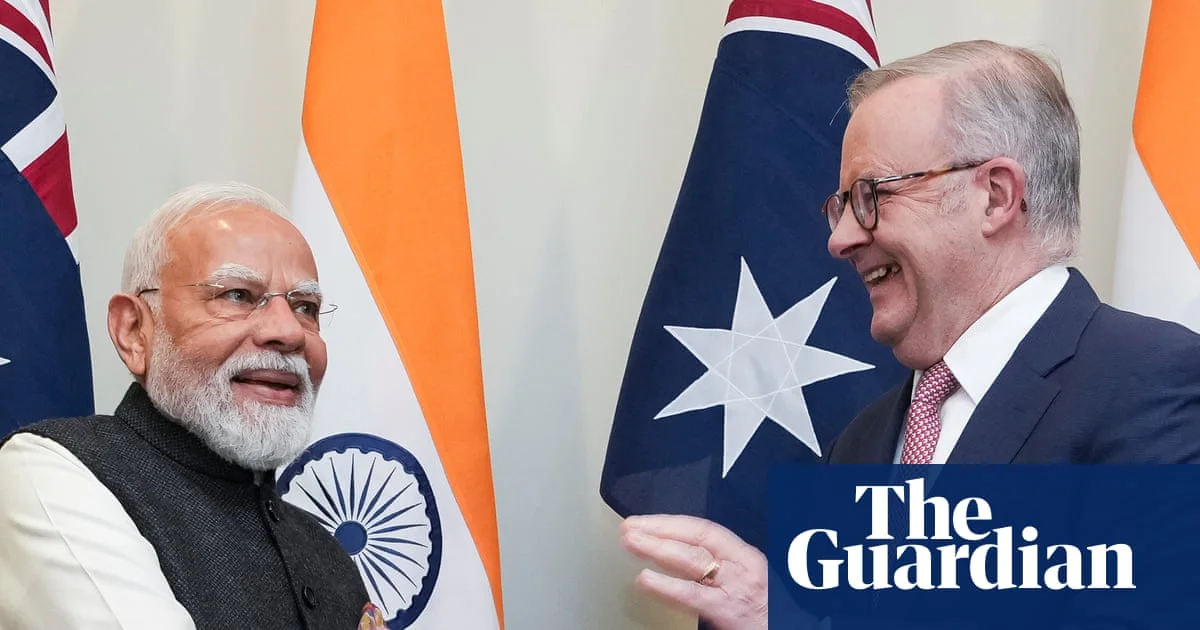
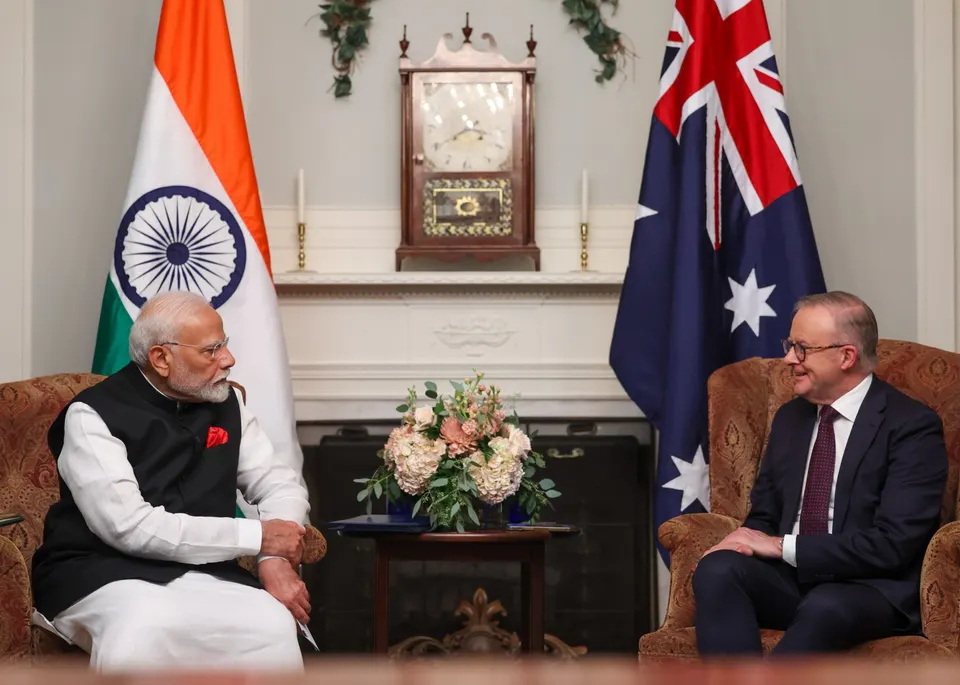
In a move that signals a profound shift in Indo-Pacific energy security, Australian Prime Minister Anthony Albanese and Indian Prime Minister Narendra Modi have officially signed a landmark agreement for the regular export of Australian uranium to India. The deal, announced ahead of a massive rally in Melbourne expected to draw over 30,000 people, effectively ends decades of diplomatic and regulatory hurdles that have historically slowed the flow of nuclear fuel between the two nations. Albanese emphasized that the agreement is strictly for "peaceful purposes," aiming to support India’s rapidly growing energy needs while cementing Australia’s role as a primary strategic partner in the region.
This partnership goes beyond simple commodity trading; it represents a shared vision of a "Free and Open Indo-Pacific" at a time when global supply chains are increasingly fractured. For India, securing a stable supply of high-grade uranium is essential for its transition away from coal and toward a more diversified nuclear energy portfolio. For Australia, the move represents a pragmatic economic victory, unlocking billions in potential revenue. Analysts suggest that this deepening of ties is a direct response to regional volatility, providing both nations with a hedge against the unpredictability of other global energy markets.
The Collapse of Diplomacy: Trump Declares Iran Truce 'Over'
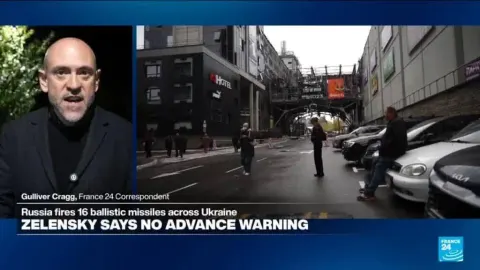
The fragile interim truce between Washington and Tehran has officially collapsed after President Trump declared the agreement "over" via social media. This declaration follows two nights of intensive military activity in which U.S. forces reportedly struck 170 targets across five Iranian provinces and regional bases. The escalation was triggered by retaliatory strikes from Iranian-backed groups on U.S. installations in Bahrain, Kuwait, and Qatar. According to claims from the Iranian health ministry, which have not been independently verified, these recent U.S. strikes resulted in 14 deaths and 78 injuries, further inflaming an already volatile situation.
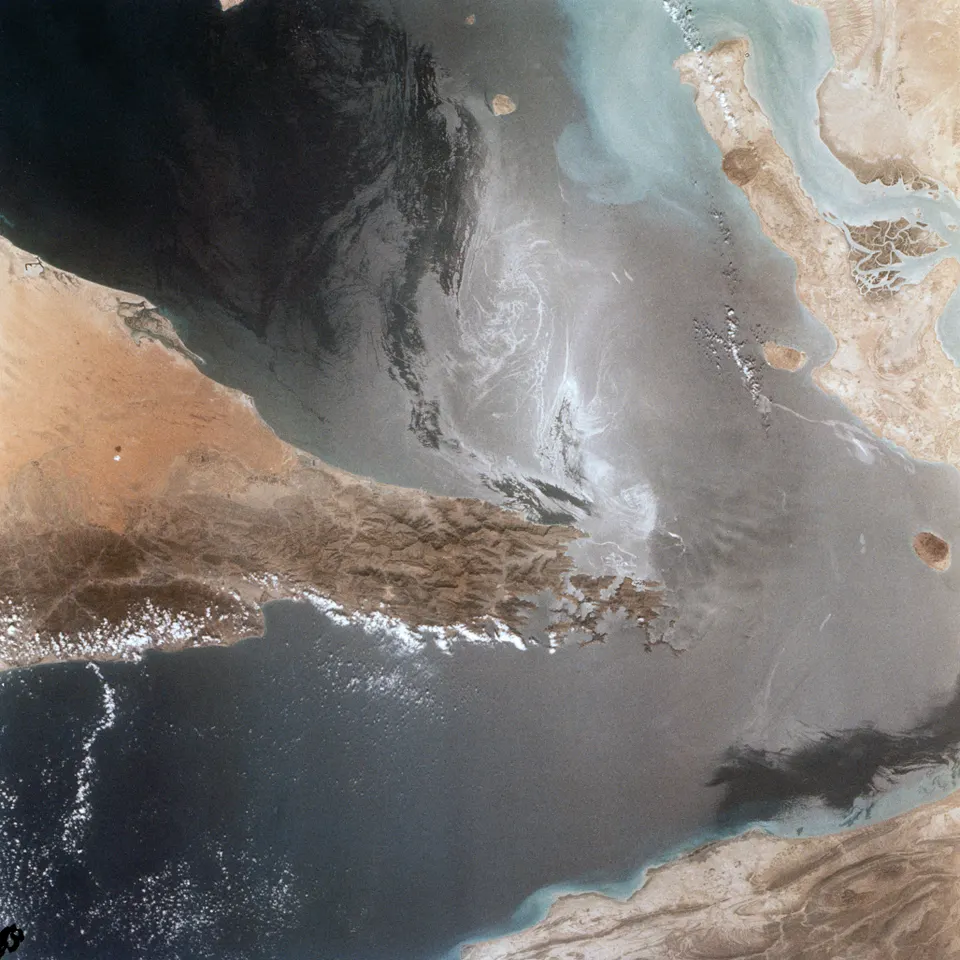
This military escalation has had an immediate and chilling effect on global trade, particularly in the Strait of Hormuz. Traffic through this critical maritime artery has ground to a near-halt, with Bloomberg reporting that only a single sanctioned tanker was observed moving through the waterway in the last 24 hours. Analysts warn that by continuing these high-stakes maneuvers, the Iranian leadership may be overplaying its hand, risking a total blockade that could cripple its own remaining economic lifelines. The rhetoric from Washington has turned increasingly sharp, with the U.S. President using inflammatory language to describe the Iranian leadership, signaling that a return to the negotiating table is unlikely in the near term.
Safe Havens Surge Amid Regional Instability
As the drums of war beat louder in the Middle East, investors are once again flocking to traditional safe-haven assets. In the Tehran market, gold has seen a notable uptick in demand. Gold 18k/gram moved from 17,787,063 to 17,960,201 (+1.0%), reflecting a flight to safety as the public reacts to the news of the collapsed ceasefire. Similarly, the Emami coin rose from 181,000,000 to 182,000,000 (+0.6%). While the USD/IRR remained technically flat at 180,150, the lack of volatility in the currency rate is largely attributed to heavy-handed central bank intervention rather than a genuine lack of market pressure.
Beyond the local markets, the energy sector is reaping the benefits of the chaos. U.S. LNG exporters like Venture Global have reported massive windfalls, with liquefaction fees jumping nearly 70% as European and Asian buyers scramble to secure energy supplies that bypass the Middle East. This trend highlights a growing global reality: while regional conflicts bring devastation to local economies, they often create massive profit opportunities for energy producers located in safer jurisdictions. For the average Iranian citizen, however, these shifts mean higher costs of living and a deepening sense of economic isolation as the country’s primary export routes remain under threat.
Erosion of Trust: From Medical Misinformation to Secret Operations
In a world already on edge, the spread of misinformation is proving to be as dangerous as military hardware. Reports from the BBC indicate that false claims regarding the Ebola virus are fueling violent attacks on health workers in various regions, highlighting how easily public trust can be weaponized. This breakdown in the information environment is not limited to health crises; it extends into the highest levels of geopolitics. In Mexico, authorities are currently investigating the possible role of the FBI in the arrest of the drug lord known as "El Mayo," following accusations that the U.S. may have acted without the full knowledge or consent of its southern neighbor.
These incidents, though seemingly unrelated, point to a broader theme of eroding institutional trust. Whether it is a health worker being attacked due to a viral rumor or a diplomatic row over a cross-border arrest, the common thread is a lack of transparency and a surge in skepticism toward official narratives. As governments increasingly rely on AI and digital tools to manage public perception—such as Estonia's new "AI Fuckup Finder" designed to catch legal errors—the challenge will be ensuring that these technologies are used to restore clarity rather than further muddying the waters of truth.
Frequently Asked Questions
What caused the collapse of the U.S.-Iran interim truce?
How is the Strait of Hormuz affected by the current escalation?
Why is the India-Australia uranium deal significant for global energy?
Understanding the Geopolitics of Energy
The news headline, with its focus on US-Iran tensions, the strategic Strait of Hormuz, and international energy deals like the India-Australia uranium agreement, highlights a crucial concept: the Geopolitics of Energy. This term describes the complex interplay between energy resources—their production, distribution, and consumption—and international politics, power dynamics, and security. It's about how access to vital energy supplies shapes foreign policy, military strategies, and global alliances, often becoming a flashpoint for conflict or a catalyst for cooperation.
At the heart of this geopolitical landscape are critical chokepoints like the Strait of Hormuz. As one of the world's most important oil transit points, its potential closure or disruption due to regional conflicts, such as the US-Iran tensions, immediately sends ripples across global energy markets. Any threat to the free flow of oil and natural gas through such a narrow passage can trigger massive price spikes, destabilize economies, and prompt international intervention, underscoring the strategic vulnerability inherent in global energy supply chains.
In response to such vulnerabilities, countries actively pursue energy security through diversification and strategic alliances. The landmark uranium deal between India and Australia exemplifies this drive: India, a rapidly growing economy, seeks stable and secure fuel for its nuclear energy program, while Australia, a major uranium producer, finds a reliable market. This kind of agreement reduces reliance on volatile regions and fosters new geopolitical alignments based on mutual energy interests, moving beyond traditional fossil fuels to include nuclear and increasingly, renewable energy sources.
Ultimately, understanding the geopolitics of energy is key to deciphering many international events. It explains why nations invest heavily in naval power to protect shipping lanes, why diplomatic efforts are often centered on energy-producing regions, and why the shift towards new energy sources like liquefied natural gas (LNG) or renewables is not just an environmental or economic decision, but a profound geopolitical one, reshaping the balance of power and global influence for decades to come.