End of an Era: Massive Funeral in Tehran Meets Fresh U.S. Strikes as Ceasefire Collapses
پایان یک دوران؛ تشییع جنازه در تهران و حملات موشکی آمریکا در جنوب همزمان با فروپاشی آتشبس
Overnight, the world witnessed the intersection of a historic mourning period in Iran and a sharp military escalation. With U.S. strikes hitting the south and Trump declaring the ceasefire over, markets are bracing for a volatile session dominated by gold and energy risks.
At time of publishing
USD
180,150
Toman
Gold 18K
17.93M
Toman / gram
Bitcoin
$62,628
US Dollar
Tether
180,350
Toman
Market Open — Gold Shines Amidst Geopolitical Fog
As of Thursday morning, July 9, 2026, the Iranian market is waking up to a landscape of extreme uncertainty. While the US Dollar (sell) remains technically flat at 180,150 Toman (+0.0%), the underlying pressure is palpable. Gold, the traditional sanctuary for capital during times of conflict, has seen the most significant movement. Gold 18k per gram rose by 0.8%, climbing from 17,787,063 to 17,925,573 Toman. This shift reflects a cautious domestic sentiment as traders wait to see if the overnight military strikes will trigger a larger currency flight. In the crypto space, Bitcoin is struggling to maintain its footing, currently trading at $62,628. The re-escalation of the US-Iran conflict has led to a 'risk-off' mood globally, with traders liquidating speculative assets in favor of liquidity. Tether (USDT) in the local market is trading at a slight premium at 180,350 Toman, signaling that despite the official USD rate staying still, the digital demand for dollars is heating up as the morning progresses.
At the Crossroads: A Nation Mourns While Missiles Fly
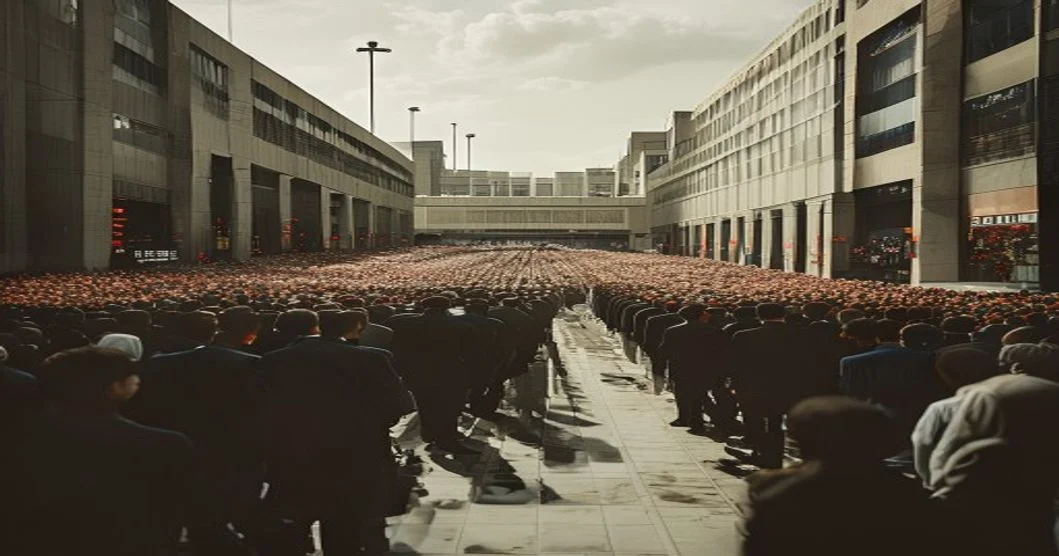
The streets of Tehran were filled overnight with a funeral procession that New York Times reporters described as surpassing anything witnessed in recent history. The sheer scale of the event for the Ayatollah has drawn international attention, not just for its size, but for the vacuum it represents in a time of high geopolitical tension. However, the somber atmosphere of the capital was sharply contrasted by explosive developments in the south of the country.

U.S. Central Command confirmed that it launched fresh strikes targeting sites in southern Iran, claiming these were 'retributive actions' following the bombing of commercial ships earlier in the week. President Trump, speaking from Washington, explicitly stated that he considers the three-week-old ceasefire to be officially 'over.' This marks a definitive end to a brief period of relative calm and suggests that the U.S. military is moving toward a more aggressive posture in the Strait of Hormuz to protect international shipping lanes. For the average Iranian, this means the 'wait and see' period has ended. The combination of internal transition and external military pressure creates a high-stakes environment for the economy. While the government claims readiness for retaliation, the immediate consequence is a spike in the cost of living and a renewed sense of urgency in the gold and shadow currency markets as families look to protect their purchasing power.
The End of the Ceasefire: Trump’s NATO Gambit and Market Tremors
Beyond the immediate strikes, the geopolitical alignment is shifting. President Trump recently praised NATO’s 'unity,' but the praise came with a sharp edge. He reportedly assailed allies for their reluctance to join the direct military campaign against Iran. Despite this friction, he moved to grant Ukraine authority for the Patriot defense system, a move seen as a way to keep European allies engaged while he focuses U.S. military resources on the Middle East. This 'America First' approach to the Iran conflict is creating a divide in how the West responds to the escalating crisis.
Wall Street analysts are already calculating the damage. While one might expect oil companies to benefit from rising tensions, the broader market is reacting poorly. Analysts expect sectors like airlines and home builders to be hit hardest by the collapse of the ceasefire. Higher fuel costs and the general atmosphere of global instability are expected to dampen consumer spending and travel, leading to a bearish outlook for non-energy sectors. This suggests that the 'war premium' on oil might be offset by a general economic slowdown if the conflict continues to widen. For global investors, the focus has shifted to the Strait of Hormuz. If the U.S. continues its strikes and Iran follows through on its promise of 'strong retaliation,' the disruption to Liquefied Natural Gas (LNG) and oil flows could be catastrophic. U.S. LNG exporters are already reaping windfalls as fees rise due to Middle East turmoil, but this is a double-edged sword that could fuel global inflation, making the Federal Reserve's job of managing interest rates nearly impossible in the coming months.
A New Nuclear Axis: The Australia-India Uranium Breakthrough
While the Middle East dominates the headlines, a significant shift in energy geopolitics occurred in the Indo-Pacific. Australian Prime Minister Anthony Albanese and Indian PM Narendra Modi are poised to sign a landmark uranium deal. This agreement effectively ends over a decade of delays and technical hurdles, allowing regular shipments of Australian uranium to power India’s growing fleet of nuclear reactors. Albanese credited Modi’s personal leadership for the breakthrough, which is expected to draw a crowd of 30,000 at a stadium event in Melbourne.

This deal is more than just a commodity trade; it is a strategic realignment. India is seeking to diversify its energy sources away from fossil fuels and Russian influence, while Australia is cementing its role as a key security partner in the Quad alliance. For the global uranium market, this is a massive supply-side event that could stabilize long-term prices, even as the Middle East conflict creates chaos in the oil and gas sectors. It highlights a world that is increasingly bifurcated between zones of conflict and zones of strategic cooperation. For Iran, this deal is a reminder of the shifting sands of international diplomacy. As India strengthens its ties with Western-aligned Australia through nuclear cooperation, its reliance on Middle Eastern energy may gradually become more flexible. This long-term trend could reduce the leverage that regional oil producers hold over emerging Asian giants, fundamentally altering the economic balance of power in the decades to come.
Frequently Asked Questions
چرا قیمت دلار در بازار تهران با وجود حملات نظامی ثابت مانده است؟
پایان آتشبس توسط ترامپ چه تأثیری بر قیمت جهانی نفت دارد؟
توافق اورانیوم هند و استرالیا چه ارتباطی به ایران دارد؟
Why the Strait of Hormuz Matters in Every Global Crisis
The Strait of Hormuz, a narrow waterway between Iran and Oman, is one of the world’s most critical maritime chokepoints. Roughly 20% of global oil consumption passes through this 21‑mile‑wide passage each day, making any disruption a direct threat to energy supplies and price stability. Because the strait connects the Persian Gulf’s vast oil fields to the open ocean, even the mere threat of military action can cause oil markets to react sharply, as seen during the recent U.S.–Iran clashes in July 2026.
When a cease‑fire collapses and naval forces engage in the Hormuz corridor, shipping companies may reroute vessels around the longer and more expensive Cape of Good Hope. This added distance raises transportation costs, squeezes profit margins, and pushes up the price of crude, which then ripples through to gasoline, diesel, and even unrelated commodities like gold and Bitcoin. The 2026 escalation, for example, saw Brent crude spike by over 8%, prompting a surge in gold prices measured in Iranian tomans as investors sought safe‑haven assets.
The strategic importance of Hormuz goes beyond oil. It is also a conduit for natural gas, petrochemicals, and bulk commodities. Nations with large energy import bills—such as India, Japan, and many European countries—monitor the strait closely, and any perceived threat can influence diplomatic negotiations, like the recent India‑Australia uranium agreement that seeks to diversify supply chains away from volatile regions.
Historically, the strait has been a flashpoint: during the Iran‑Iraq War, Iran mined the waters, and in 2019 the United States threatened to close it in response to Iranian attacks on oil tankers. These episodes illustrate how control over a narrow maritime corridor can become a lever of geopolitical power, allowing smaller states to exert outsized influence on the global economy.
Understanding the mechanics of the Strait of Hormuz helps explain why headlines about funerals, cease‑fire breakdowns, or cryptocurrency price swings are all interconnected. The waterway’s vulnerability means that any regional conflict can quickly become a global economic event, underscoring the need for robust international maritime security and diversified energy strategies.