Goldman Sachs Warns of Oil Supply Crisis as US Strikes Hit Iranian Coastal Hubs
هشدار گلدمن ساکس درباره بحران عرضه نفت همزمان با حملات جدید آمریکا به بنادر ایران
Goldman Sachs has issued a stark warning regarding global oil supply disruptions as military tensions in the Persian Gulf escalate. With the US conducting a second day of strikes on Iranian coastal cities, markets are bracing for a prolonged period of volatility and energy insecurity.
At time of publishing
USD
181,250
Toman
Gold 18K
17.98M
Toman / gram
Bitcoin
$62,981
US Dollar
Tether
180,864
Toman
Goldman Sachs Issues U-Turn Warning on Global Oil Supplies
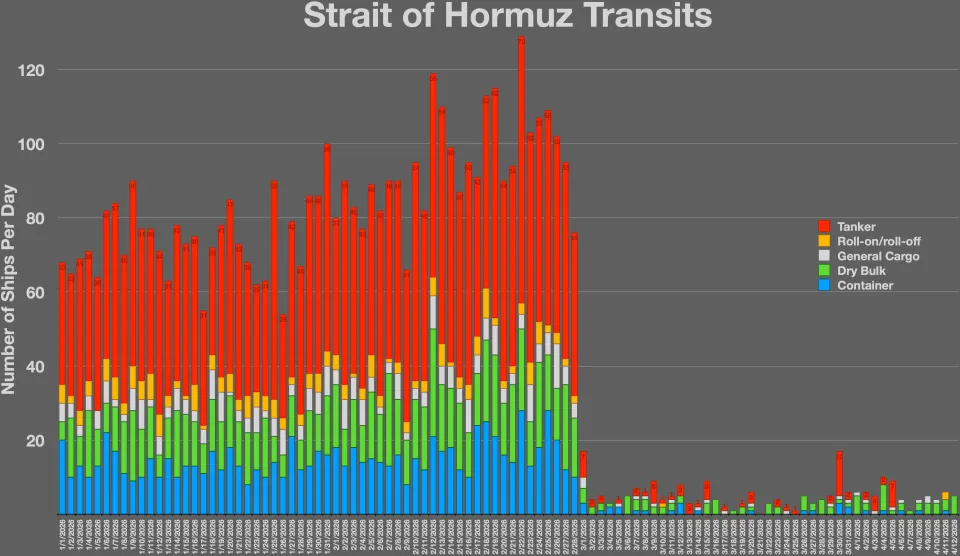
In a dramatic shift of perspective, Goldman Sachs commodity analysts have sounded the alarm over a fresh threat to global oil supplies, reversing a forecast from just one week ago that predicted a market glut. The investment bank now warns that renewed hostilities in the Persian Gulf and the potential for extended disruptions in the Strait of Hormuz could severely slow the recovery of global oil production. According to the bank's latest report, Middle East oil production remains a staggering 10.5 million barrels per day below pre-war levels, a gap that was expected to close but is now widening due to regional instability.
This reversal highlights the extreme sensitivity of energy markets to the security of maritime chokepoints. While producers had recently begun reopening shut-in wells, the threat of tanker attacks and military escalation has forced a reassessment of risk. For the global economy, this means that the downward pressure on inflation seen in early 2026 may be short-lived. If the Strait of Hormuz remains a high-risk zone, the 'energy premium' will likely remain baked into global prices, affecting everything from transport costs to the manufacturing of consumer goods across Europe and Asia.
US Strikes Expand to Strategic Iranian Port Cities
For the second consecutive day, the United States military has conducted targeted strikes across Iran, signaling a total collapse of the recent interim ceasefire. President Donald Trump declared the agreement "over" following reports of attacks on three tankers in the Strait of Hormuz earlier this week. The latest wave of strikes hit strategic locations including the port city of Bandar Abbas, the coastal town of Sirik, and the Bushehr province, which houses Iran’s nuclear power complex. Iranian state media has confirmed explosions in these areas, though the full extent of the damage remains unverified by independent observers.
The human cost of this escalation is becoming increasingly evident in the capital and coastal hubs. Residents in Tehran and southern cities report living in a state of constant high alert, with families keeping emergency bags packed near their doors. The psychological toll of the conflict, combined with a deepening economic crisis, has created a sense of exhaustion among the populace. As the US labels these strikes as "retribution," the move effectively shuts the door on immediate diplomatic de-escalation, placing the region on a path toward a wider, more unpredictable confrontation.
Markets React: Toman and Gold Prices Surge Amid Regional Anxiety
The heightening military tension has had an immediate and measurable impact on the Iranian domestic market. In the last 24 hours, the US Dollar in the open market rose from 180,150 to 181,250 Toman, a 0.6% increase that reflects the growing demand for safe-haven assets. Similarly, the price of 18k gold per gram moved from 17,787,063 to 17,976,360 Toman (+1.1%), while the Emami coin saw an identical 1.1% jump to reach 183,000,000 Toman. These movements are a direct reaction to the perceived risk of a prolonged military engagement and the potential for further sanctions or trade blockades.
Beyond Iran, the global financial landscape is also shifting to accommodate this new reality. While Bitcoin ETFs in the US saw a net outflow of $84 million on Wednesday, ending a brief recovery streak, traditional financial institutions are accelerating their digital asset strategies to bypass traditional bottlenecks. Russia's Alfa-Bank has begun testing crypto trading for qualified investors, and Hyundai Card is piloting stablecoin solutions. These moves suggest that major economic players are preparing for a more fragmented global financial system where traditional currency stability can no longer be guaranteed during geopolitical shifts.
UK Defense Debate Intensifies as Global Risks Multiply
In the United Kingdom, the geopolitical climate is forcing a rethink of national security priorities. Andy Burnham, who is poised to become the next Labour leader, has called for a "more open" public debate regarding defense spending. Burnham argues that the government must level with the public about the necessity of increased military expenditure in an era of global instability. His stance marks a shift toward a more transparent approach to foreign policy, emphasizing that defense spending should provide social value while ensuring the country is prepared for the ripple effects of conflicts in the Middle East and beyond.
This call for transparency comes at a time when Western allies are struggling to balance domestic economic needs with the rising costs of military readiness. As seen in recent debates in Australia regarding media coverage of the Middle East, the domestic political fallout of foreign wars is becoming harder to manage. For readers, this signifies that the era of "peace dividends" is firmly in the past; governments are likely to prioritize defense and energy security over other social programs in the coming years, a transition that will have long-term consequences for taxes and public services.
Frequently Asked Questions
Why did Goldman Sachs change its oil market outlook so suddenly?
Which areas in Iran were targeted in the latest US military strikes?
How have the Iranian currency and gold markets reacted to the escalation?
What is the significance of the stablecoin pilots by Hyundai Card and Sony Bank?
The Strategic Importance of the Strait of Hormuz
The Strait of Hormuz is arguably the world's most critical oil transit chokepoint, a narrow waterway connecting the Persian Gulf to the Arabian Sea and the wider Indian Ocean. Flanked by Iran to the north and Oman's Musandam Peninsula to the south, its strategic location makes it indispensable for global energy markets. All crude oil and liquefied natural gas (LNG) exports from major producers like Saudi Arabia, Iraq, UAE, Kuwait, Qatar, and Iran must pass through this 21-mile wide channel.
Its significance stems from the sheer volume of energy commodities that traverse its waters daily. An estimated 20-30% of the world's total seaborne oil, and a substantial portion of global LNG, passes through the Strait of Hormuz. This makes it a vital artery for the global economy, supplying energy to major consumers in Asia, Europe, and North America. Any disruption, even a perceived threat, can send shockwaves through international oil markets, leading to price spikes and significant economic instability.
Geopolitical tensions in the region frequently highlight the strait's vulnerability. Given Iran's northern border along the strait, it holds a unique position to influence or threaten its passage. Past incidents and ongoing regional conflicts underscore the constant risk of disruption, whether from military action, blockades, or other forms of interference. The recent reports of "US Strikes Hit Iranian Coastal Hubs" near key ports like Bandar Abbas directly amplify concerns about the strait's security, as such actions could escalate tensions and potentially impede the free flow of oil, triggering the "oil supply crisis" warned by institutions like Goldman Sachs. Understanding the Strait of Hormuz is therefore crucial for comprehending the dynamics of global energy security and international relations.