Biotech Bloodbath: $27 Billion Wiped Out as Heart Drug Fails; Iran-US Conflict Escalates Near Hormuz
سقوط ۲۷ میلیارد دلاری در بازارهای جهانی؛ تشدید درگیریهای نظامی در خلیج فارس و جهش قیمت دلار
A major pharmaceutical failure has sent shockwaves through global markets, erasing $27 billion in value, while the collapse of the US-Iran ceasefire triggers fresh strikes and a spike in the USD/IRR rate to 181,000.
At time of publishing
USD
181,000
Toman
Gold 18K
17.91M
Toman / gram
Bitcoin
$62,834
US Dollar
Tether
180,750
Toman
Biotech Bloodbath: $27 Billion Vanishes in a Heartbeat
Global pharmaceutical markets were rocked on Thursday morning as two major drugmakers announced the catastrophic failure of a highly anticipated heart disease medication. The drug, which had reached the critical Phase III trial stage, failed to meet its primary efficacy endpoints, leading to an immediate and brutal sell-off. In just a few hours of trading, approximately $27 billion in combined market capitalization was wiped out. This failure is particularly stinging because Phase III trials are the final, most expensive hurdle before regulatory approval; a collapse at this stage represents years of wasted research and billions in sunk costs.
Investors are now questioning the broader R&D pipelines of these industry giants. The volatility in the biotech sector often serves as a canary in the coal mine for risk appetite in the equity markets. When a 'sure bet' in the medical field fails, institutional investors tend to pull back from other high-growth, high-risk sectors, including tech and emerging markets. For the average investor, this serves as a reminder that even the most established blue-chip companies are vulnerable to scientific setbacks that can erase decades of growth in a single session.
Conflict Ignites: US-Iran Strikes and the Hormuz Chokepoint
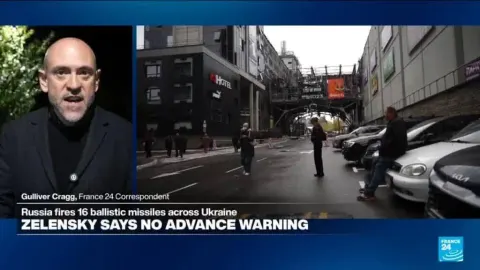
The fragile geopolitical stability of the past weeks has shattered as the United States and Iran traded heavy strikes for a second consecutive night. Following Donald Trump’s declaration that the ceasefire is officially 'over,' U.S. forces targeted coastal hubs and infrastructure in southern and eastern Iran. Specifically, the Iranian Foreign Ministry claimed that strikes hit two critical bridges along the railway route to Mashhad, labeling the actions as 'war crimes' and a violation of the UN Charter. While the Iranian government frames these as unprovoked attacks on infrastructure, the U.S. maintains they are retaliatory measures against Iranian threats to commercial shipping.
The immediate consequence of this escalation is visible in the Strait of Hormuz, where maritime traffic has reportedly dropped 'dramatically.' Oil prices reacted with a sharp 5-7% jump as analysts at ING warned that the market had been far too complacent about the 'deal to make a deal.' The reality of a hot conflict in the world's most vital energy chokepoint is now priced in, and the ripple effects are being felt in Tehran's open market. The USD/IRR rate moved from 180,150 to 181,000 (+0.5%) within the last 24 hours, reflecting the heightened risk premium and the public's rush toward hard currency as a hedge against potential total war.
A Nation in Transition: Khamenei’s Burial and the Power Vacuum
As missiles fly in the south, a somber and politically charged atmosphere grips the city of Mashhad. The burial of the slain ruler, Ayatollah Ali Khamenei, is scheduled for today at the Imam Reza shrine, marking the end of a week-long mourning period. Despite the massive state-organized funeral processions that have moved through Najaf and Tehran, a conspicuous silence remains at the top of the power structure. Mojtaba Khamenei, the son and widely speculated successor to the Supreme Leader, has yet to make a public appearance or deliver a televised address, fueling intense speculation about internal power struggles within the regime's inner circle.
This leadership uncertainty is compounding the economic anxiety felt by ordinary Iranians. Traditionally, the death of a supreme leader would be a moment of national consolidation, but the simultaneous military conflict with the U.S. has created a 'perfect storm.' Markets loathe uncertainty, and the lack of a clear, visible transition is putting additional pressure on the national currency and gold prices. Gold 18k/gram rose from 17,787,063 to 17,914,031 (+0.7%) as citizens look for any tangible asset to protect their savings. The coming days will be decisive; either a new leadership will emerge to stabilize the internal front, or the vacuum will lead to further domestic and economic fragmentation.
Social Strains: Wealth Gaps and Global Tensions
Beyond the headlines of war and high finance, social cracks are appearing across the globe. In the United States, a high-profile case of a millionaire ex-husband refusing to pay alimony to his former wife—who survives on just $1,460 in Social Security—has ignited a debate about the 'silver divorce' trend and the inadequacy of social safety nets. This story highlights a growing global phenomenon where inflation and market volatility are widening the gap between the asset-owning class and those reliant on fixed government benefits. As the cost of living surges, these personal financial tragedies are becoming systemic political issues that could influence upcoming policy decisions regarding welfare and taxation.

Meanwhile, the 2026 World Cup is being overshadowed by a 'growing pattern of abuse' and racism. Experts have warned that the divisive political rhetoric seen in international relations is spilling onto the pitch, with players like Kylian Mbappé facing intensified social media attacks. Samuel Okafor of 'Kick It Out' noted that the current political climate is emboldening abusers more than ever before. Whether it is the fight for financial survival at home or the struggle for dignity on the world's biggest sporting stage, the underlying theme of 2026 remains the same: a world under immense pressure, where old systems are failing to provide the stability they once promised.
Frequently Asked Questions
Why did the drugmaker's stock crash so significantly?
How is the US-Iran conflict affecting the price of the Dollar in Tehran?
What is the significance of the strikes on the Mashhad railway route?
Why is the absence of Mojtaba Khamenei notable?
The Geopolitical Significance of Maritime Choke Points: The Strait of Hormuz
The news headline touches upon global market volatility, partly driven by escalating tensions in the Middle East. A crucial concept for understanding how regional conflicts can have worldwide economic repercussions is the geopolitical significance of maritime choke points, with the Strait of Hormuz being the most prominent example. Maritime choke points are narrow sea channels along widely used global shipping lanes, critical for international trade. Their strategic importance means that any disruption, whether from conflict, piracy, or natural disaster, can severely impact global supply chains and commodity prices.
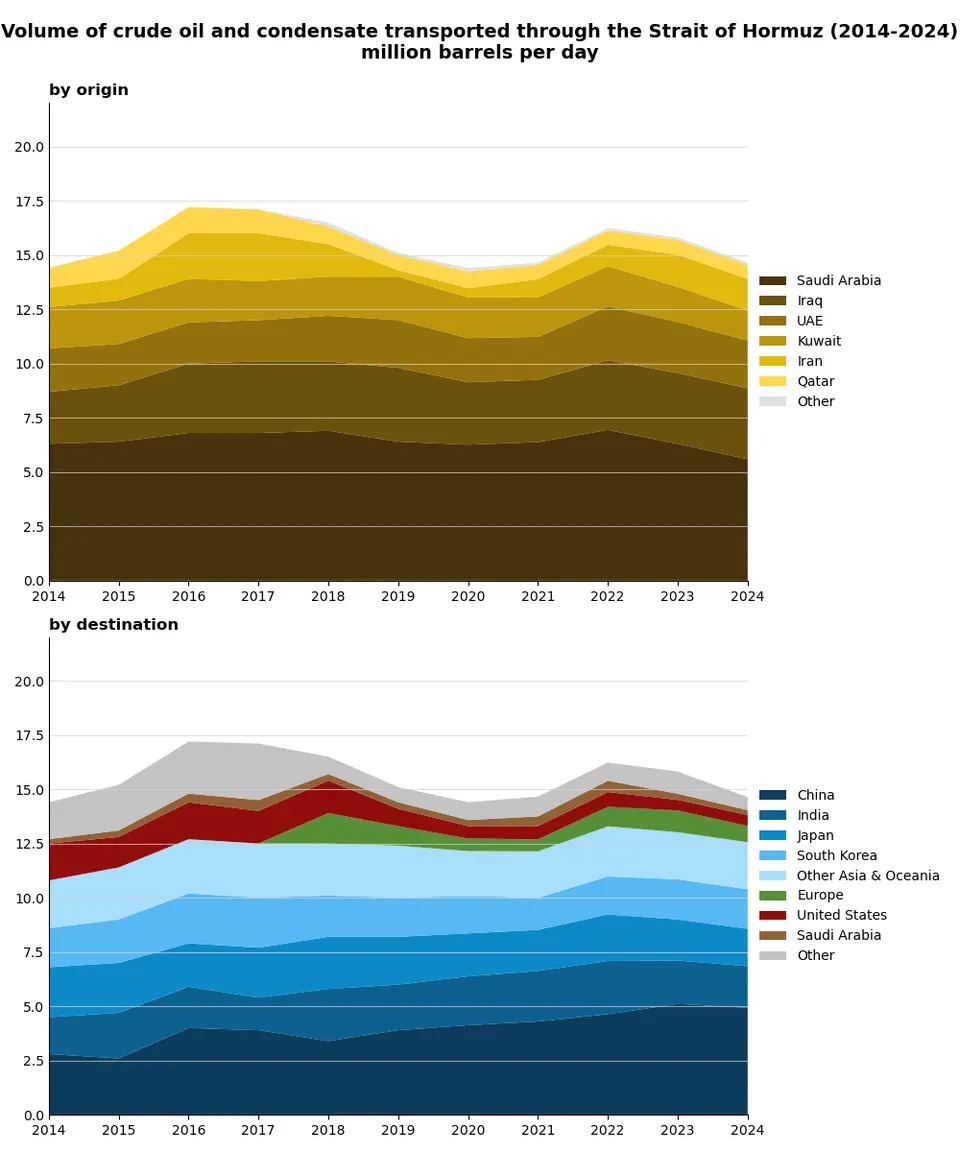
The Strait of Hormuz, located between Oman and Iran, connects the Persian Gulf to the open ocean. It is arguably the world's most vital oil transit choke point. Over 20% of the world's total petroleum liquids consumption and about one-third of all seaborne traded oil passes through this strait daily. Major oil producers like Saudi Arabia, Iran, UAE, Kuwait, and Iraq rely on it to export their crude oil and natural gas to global markets. Consequently, any threat to navigation in the Strait of Hormuz immediately sends ripples through international energy markets, leading to spikes in oil and gas prices due to supply uncertainty.
Escalating conflicts, such as those between the U.S. and Iran, directly translate into heightened geopolitical risk for this choke point. Threats of closure or actual military incidents can cause shipping costs to soar, increase insurance premiums for vessels, and deter tankers from transiting the area. This not only impacts the direct supply of oil but also fuels global market volatility, affecting everything from inflation rates to the stability of financial markets worldwide. Understanding the critical role of such choke points is essential for grasping how regional political events can rapidly evolve into global economic challenges.