The Succession Void: Funeral Delays in Mashhad as Trump Ends Truce Amid Bushehr Strikes
خلاء جانشینی در سایه تعویق تشییع جنازه مشهد؛ پایان آتشبس ترامپ و حملات موشکی به نزدیکی بوشهر
As Iran concludes a weeklong mourning period, the conspicuous absence of a clear successor and the delay of the final funeral stage in Mashhad coincide with a collapse of the regional ceasefire. Following reported strikes near the Bushehr nuclear plant, the USD/IRR rate has climbed to 181,200 as markets brace for a return to full-scale hostilities.
At time of publishing
USD
181,200
Toman
Gold 18K
17.93M
Toman / gram
Bitcoin
$62,644
US Dollar
Tether
181,347
Toman
The Silent Successor and the Mashhad Delay
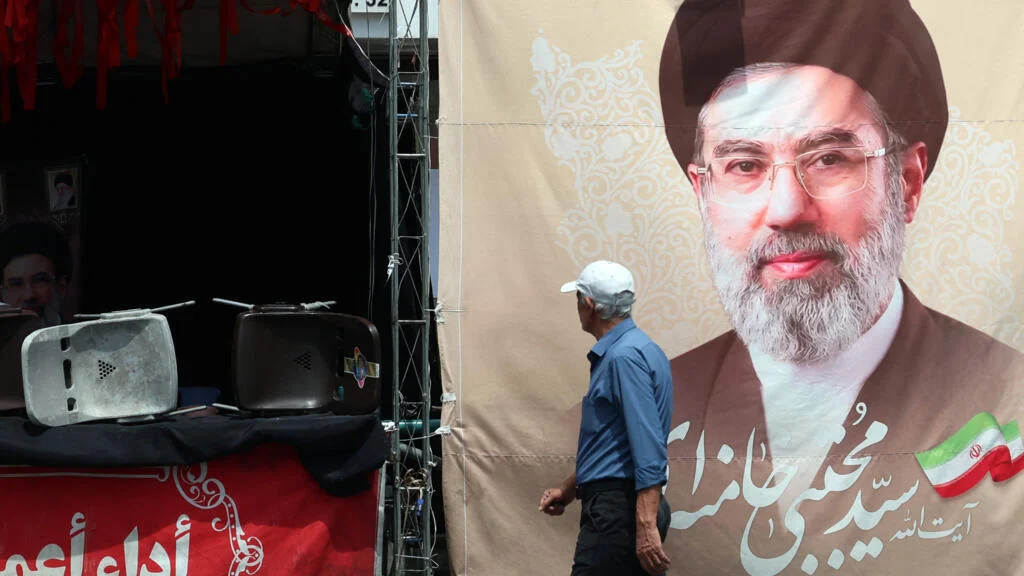
As the weeklong funeral marathon for the former Supreme Leader, Ayatollah Ali Khamenei, reaches its final stage in Mashhad, a heavy shroud of uncertainty hangs over the Islamic Republic. Authorities announced late Thursday that the final procession has been delayed, a move that coincides with reports of intensified military activity. However, the most glaring detail for observers is not the schedule, but the absence of a visible heir. Despite being named as a successor in previous reports, Mojtaba Khamenei has yet to make a public appearance during these six days of national mourning, leaving the domestic political landscape in a state of paralysis while the regional conflict escalates.
For the average Iranian, this political vacuum is directly translating into economic anxiety. The lack of a clear transition plan, coupled with the regime's historical penchant for opacity, has led to a speculative frenzy in the parallel markets. In the last 24 hours, the USD/IRR rate moved from 180,150 to 181,200, a 0.6% increase that reflects a total lack of confidence in the short-term stability of the government. When the leadership remains a question mark, the currency remains a target for devaluation as citizens rush to protect their remaining wealth.
Trump Declares Truce 'Over' as Strikes Hit Near Bushehr
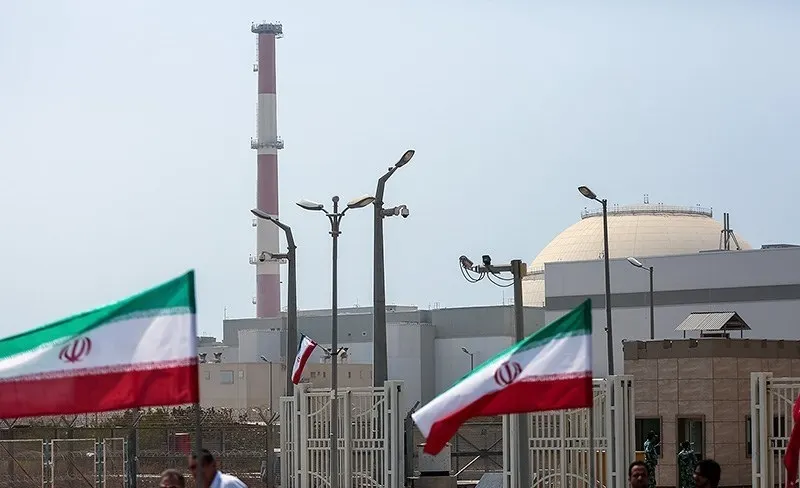
The fragile ceasefire that briefly held the Middle East together has officially collapsed. President Donald Trump announced today that the truce is "over," citing renewed Iranian provocations in the Persian Gulf. This declaration was almost immediately followed by reports from Iranian state-controlled media claiming that U.S. strikes have targeted locations near the Bushehr nuclear facility. While the extent of the damage remains unverified, the proximity of kinetic strikes to a nuclear site has sent shockwaves through global energy and diplomatic circles. Kuwait has already issued a stern warning, declaring its sovereignty a "red line" following retaliatory Iranian fire toward Gulf neighbors.
This cycle of violence is no longer just a series of skirmishes; it has become a self-sustaining engine of regional instability. The U.S. and Iran have sunk into a pattern where every strike demands a counter-strike, leaving no room for diplomatic off-ramps. For the Iranian public, this means the threat of infrastructure damage is now a daily reality. The markets have reacted predictably: Gold 18k/gram rose from 17,787,063 to 17,925,573 (+0.8%), as investors flee from paper assets toward the perceived safety of bullion amidst the drums of war.
The Energy Chokepoint: Pakistan Scrambles as Cargoes are Canceled
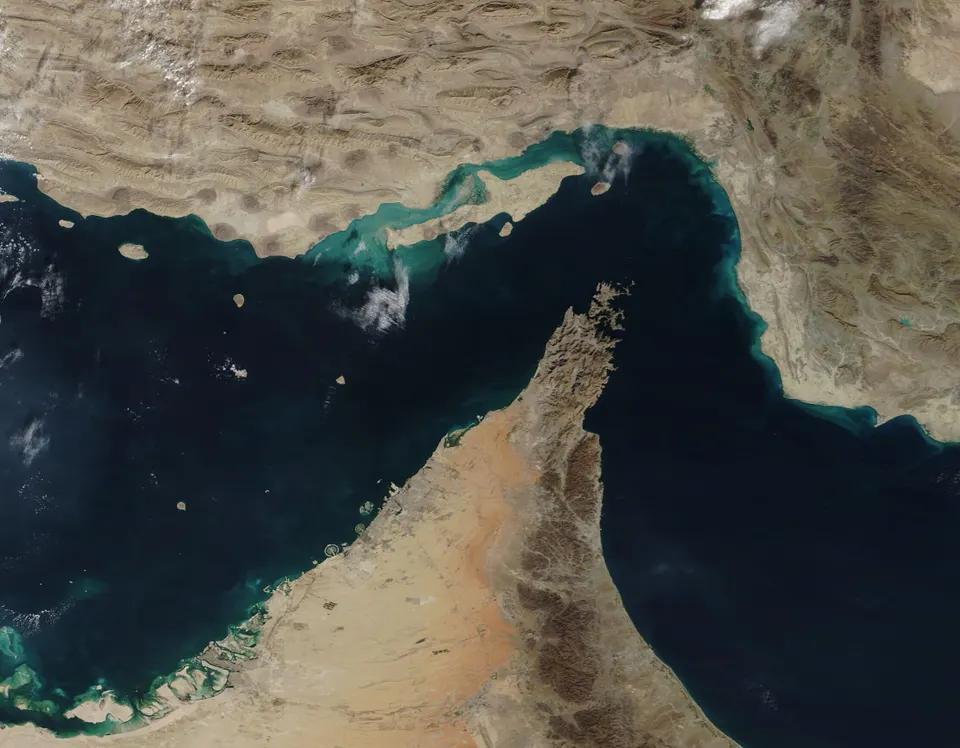
The military escalation in the Strait of Hormuz is now manifesting as a tangible energy crisis for the region's developing economies. Pakistan was forced to issue an emergency tender for Liquefied Natural Gas (LNG) today after a cargo from Qatar was abruptly canceled due to the risks associated with navigating the Strait. This highlights a critical vulnerability: even countries not directly involved in the U.S.-Iran conflict are suffering the fallout. As shipping lanes become combat zones, the cost of insurance and the risk of total cargo loss are driving spot market prices higher, further straining the foreign exchange reserves of nations like Pakistan.
While regional energy logistics are failing, global financial strategists are warning that the "era of easy index gains" is officially dead. Analysts at Charles Schwab noted today that geopolitical instability and frequent supply shocks are the new baseline for investors. This macro volatility is why Bitcoin has remained relatively resilient at $62,644, even as traditional markets in the Middle East buckle. Investors are increasingly viewing decentralized assets as a hedge against the failures of nation-state diplomacy and the physical disruption of energy corridors.
Market Realities and the Cost of Conflict
The domestic Iranian market is currently caught between a leadership crisis and a military confrontation. The Emami coin price has edged up from 181,000,000 to 181,500,000 (+0.3%), a modest move compared to the dollar but indicative of a broader trend toward hard assets. The regime's insistence on projecting strength through military retaliation is increasingly at odds with its inability to provide basic economic security for its citizens. As the funeral ceremonies conclude without a clear path forward, the risk of internal unrest fueled by hyperinflation and war fatigue remains the greatest threat to the establishment's survival.
Ultimately, the current situation represents a perfect storm for the Iranian economy. With the U.S. shifting toward a more aggressive stance under Trump and the domestic succession battle remaining unresolved, the Toman is likely to face continued downward pressure. Readers should expect heightened volatility in the coming hours as the "final stage" of the funeral in Mashhad either reveals the new leadership or confirms a chaotic power struggle that could last weeks.
Watch
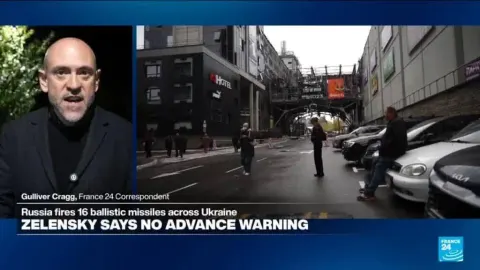
Khamenei successor has yet to be seen as ex-ayatollah's funeral comes to a close • FRANCE 24
FRANCE 24 English
Frequently Asked Questions
Why was the final stage of the funeral in Mashhad delayed?
What is the significance of Mojtaba Khamenei's absence?
How are the strikes near Bushehr affecting the Iranian Toman?
Why is Bitcoin remaining stable while regional markets crash?
Understanding Geopolitical Risk
In a world increasingly interconnected, events far from home can have profound impacts on global economies and daily lives. The concept that helps us understand these complex interactions is Geopolitical Risk. At its core, geopolitical risk refers to the risks associated with political decisions, conflicts, and instability in various parts of the world, and how these events can ripple through international relations, global markets, and specific industries. It encompasses everything from interstate wars and civil unrest to leadership successions and shifts in international alliances.
The drivers of geopolitical risk are diverse and often intertwined. They include political instability, such as the uncertainty surrounding a leadership transition in a major regional power like Iran following a potential succession void. Military conflicts, whether direct engagements or proxy wars, and the targeting of critical infrastructure like nuclear plants, are also significant drivers. Furthermore, competition over vital resources (like energy in the Strait of Hormuz) and ideological clashes can escalate tensions, creating an environment ripe for disruption. When a truce ends, as suggested by the headline, it often signals an escalation of these underlying tensions.
The impacts of geopolitical risk are far-reaching. On financial markets, it can lead to heightened volatility, sharp fluctuations in currency exchange rates (e.g., USD/IRR), and a flight to safe-haven assets like gold. For global trade and energy markets, disruptions to critical shipping lanes or attacks on energy facilities can cause supply chain crises and significant price spikes for commodities like LNG. These economic consequences can then feed back into political instability, creating a vicious cycle. Understanding these dynamics is crucial for investors, policymakers, and indeed, any curious citizen trying to make sense of global headlines.
Ultimately, geopolitical risk is a lens through which we can analyze the potential for political events to create economic and social instability on a regional or global scale. The keywords provided — from the Iranian succession and potential strikes on a nuclear plant to the ending of a truce and concerns about the Strait of Hormuz — are all prime examples of elements that contribute to or are consequences of elevated geopolitical risk. Recognizing this concept allows us to move beyond simply reporting events to understanding their deeper causes and potential implications for the future.