Trump Declares Ceasefire 'Over' as US Strikes Hit Bandar Abbas; Toman Breaches 181,000
پایان آتشبس به فرمان ترامپ؛ حملات سنگین آمریکا به بندرعباس و صعود دلار به ۱۸۱ هزار تومان
The fragile peace in the Persian Gulf has collapsed as the U.S. launches a second day of airstrikes against Iranian coastal targets. Domestic markets have reacted sharply, with the Dollar and Gold prices surging as geopolitical risk reaches a new peak.
At time of publishing
USD
181,200
Toman
Gold 18K
17.96M
Toman / gram
Bitcoin
$62,732
US Dollar
Tether
181,486
Toman
The End of the Truce: US Strikes Intensify in Southern Iran
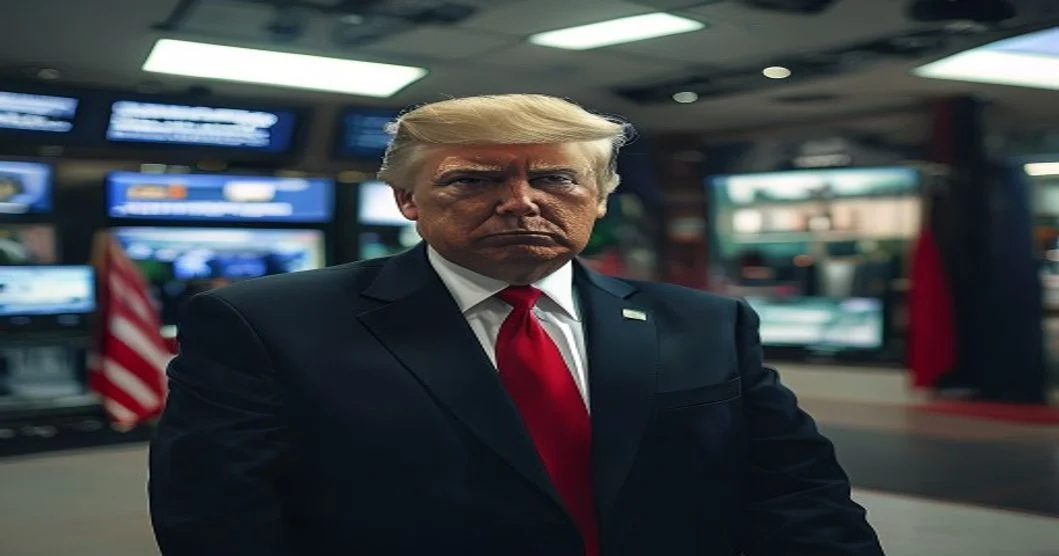
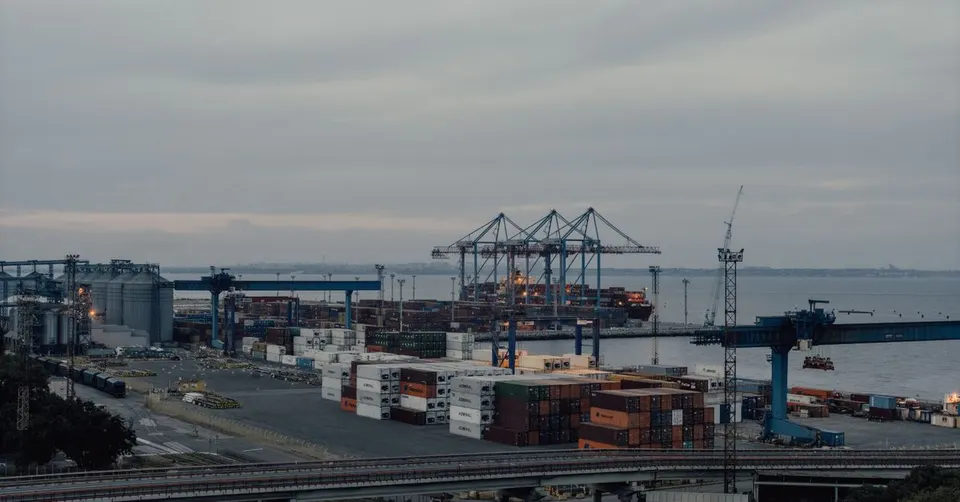
The fragile peace in the Persian Gulf has shattered as the United States military launched a second consecutive day of airstrikes against targets in southern Iran. President Donald Trump, speaking from the NATO summit in Ankara, declared the interim ceasefire agreement "over," citing what he described as Tehran "behaving very badly." Iranian state media reported significant explosions in the strategic port city of Bandar Abbas, as well as in Sirik and the south-western province of Bushehr, which houses Iran’s primary nuclear power complex. These strikes mark the most aggressive military posture from Washington since the memorandum of understanding was signed on June 17, effectively plunging the region back into a state of active conflict.
The escalation follows an incident on Tuesday where three cargo ships transiting the Strait of Hormuz were attacked, an event the U.S. has used to justify the current kinetic response. While Trump suggested that the military actions would not necessarily lead to "long-term" engagement, his rhetoric suggests a return to "maximum pressure" tactics. For the Iranian public, this shift represents a devastating blow to hopes of economic stabilization that had briefly surfaced during the short-lived truce. The proximity of strikes to Bushehr, in particular, raises the stakes for regional safety and environmental security, even as U.S. Central Command maintains that the targets are strictly military and logistical hubs.
Market Panic: USD and Gold Surge Amid 'War Premium'
Domestic markets in Iran have immediately priced in the heightened risk of a wider regional war. At 16:00 Tehran time, the USD/IRR exchange rate moved from 180,150 to 181,200, representing a 0.6% increase in just 24 hours. This breach of the 181,000 psychological barrier reflects a rush toward hard currency as citizens and traders alike seek to hedge against the uncertainty of a military escalation. The "war premium" is even more visible in the gold market; Gold 18k per gram rose from 17,787,063 to 17,960,201 (+1.0%), while the Emami coin edged up to 181,500,000 Toman.
Globally, the impact is being felt across major indices. Dow Jones futures and the Nasdaq are eyeing key support levels as investors weigh the potential for a prolonged disruption in the Strait of Hormuz. Energy-sensitive stocks like Valero and tech giants like Nvidia and Dell are in sharp focus as the market anticipates supply chain disruptions. With the global gold ounce sitting at a staggering $4,114.30, the flight to safety is no longer a theoretical exercise but a dominant market reality. Analysts warn that if the strikes continue into a third day, the Toman could see even more aggressive depreciation as liquidity dries up in the face of panic buying.
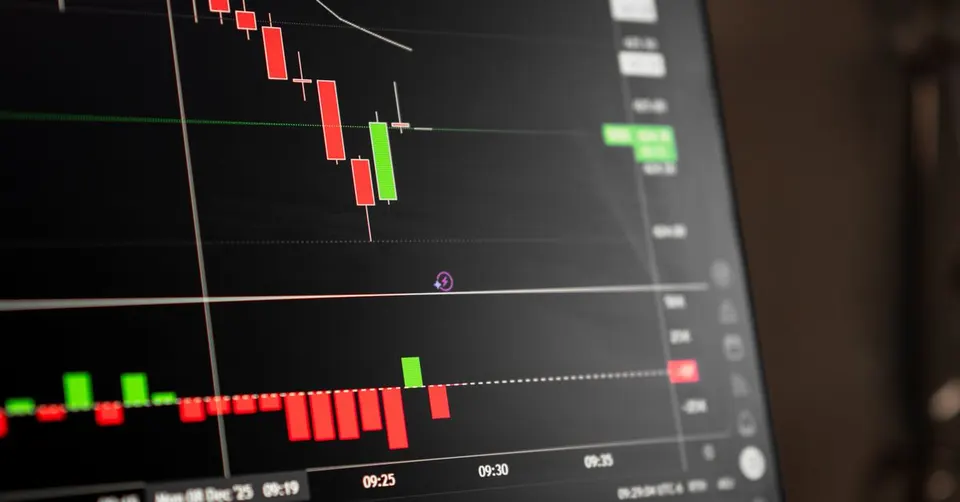
Regional Fallout and the Infrastructure Migration in Crypto
While the military conflict dominates the headlines, the diplomatic and technological sectors are also in flux. Pakistan has stepped in as a mediator, with Islamabad officials stating that a renewed US-Iran conflict is "in no one's interest" and urging both sides to honor the previous MoU. However, the intensity of the strikes—which have reportedly killed at least 14 people in Iran—makes a diplomatic de-escalation increasingly difficult. Gulf Arab countries, which have also been hit by retaliatory Iranian attacks, are caught in the crossfire, fearing for the safety of their desalination plants and energy infrastructure.
In the world of decentralized finance, a significant migration is taking place that mirrors the broader theme of seeking security. Over $7.2 billion has migrated from LayerZero to Chainlink CCIP as major protocols like Mantle and Lombard seek more robust cross-chain communication tools. This exodus highlights a growing trend where even digital assets are being moved to what is perceived as more secure or "battle-tested" infrastructure during times of global instability. As the geopolitical landscape shifts, the demand for reliable, censorship-resistant technology continues to grow, even as Bitcoin (BTC) struggles to maintain the $62,732 level amid the broader market sell-off.
Frequently Asked Questions
Why did the US-Iran ceasefire end on July 9, 2026?
Which cities in Iran were targeted in the July 2026 strikes?
How has the Toman reacted to the recent military escalation?
What is the $7.2 billion migration in the crypto market?
Understanding Currency Depreciation in Times of Geopolitical Conflict
The recent news of the Iranian Toman breaching 181,000 against the US Dollar amidst escalating geopolitical tensions highlights a critical economic phenomenon: currency depreciation. This occurs when a nation's currency loses value relative to other currencies, meaning it takes more units of the local currency to purchase a single unit of a foreign currency, such as the US Dollar. While various factors can contribute to depreciation, in the context of the headlines mentioning airstrikes and a declared end to a ceasefire, the role of geopolitical instability and economic sanctions becomes paramount.
Geopolitical conflicts, like those alluded to between the US and Iran, create immense uncertainty in financial markets. Investors, both domestic and foreign, tend to pull capital out of countries perceived as unstable, leading to capital flight. This reduces the demand for the local currency and increases the demand for safer, more stable currencies like the US Dollar, thereby driving down the local currency's value. Furthermore, the threat or imposition of economic sanctions, a common tool in international disputes, can severely cripple a nation's ability to earn foreign currency, particularly through exports like oil, which is a major revenue source for Iran.
When a country's access to international markets is restricted, and its foreign currency earnings dwindle, its central bank has fewer foreign reserves to support the local currency. This scarcity of foreign currency makes imports more expensive, fueling inflation as the cost of imported goods, from raw materials to consumer products, rises. For ordinary citizens, currency depreciation translates directly into a loss of purchasing power, making everyday necessities more costly and eroding the value of their savings. This often prompts a flight to alternative assets perceived as safer stores of value, such as gold or foreign currencies, further exacerbating the local currency's decline.
The Iranian Toman (or Rial, which is the official currency, with Toman being a widely used sub-unit) has historically faced significant pressure due to decades of international sanctions and internal economic challenges. The current geopolitical climate, as described in the headlines, serves as a stark reminder of how rapidly such events can accelerate currency depreciation, leading to profound economic instability and hardship for the population.