Trump-Linked Texas Oil Firm Presses Greenland Drilling Permit as US Immigration Violence Rises
شرکت نفتی تگزاسی مرتبط با ترامپ برای لایسنس حفاری در گرینلند فشار میآورد؛ خشونت مهاجرتی در آمریکا افزایش مییابد
A Texas oil company backed by Trump allies is trying to secure drilling rights in Greenland, sparking diplomatic friction and market speculation. At the same time, a deadly ICE shooting in the US has reignited debate over immigration policy, while corporate moves and AI competition ripple through global markets.
At time of publishing
USD
181,200
Toman
Gold 18K
17.95M
Toman / gram
Bitcoin
$62,564
US Dollar
Tether
180,865
Toman
Licence to Drill? Trump‑Linked Texas Oil Firm Eyes Greenland
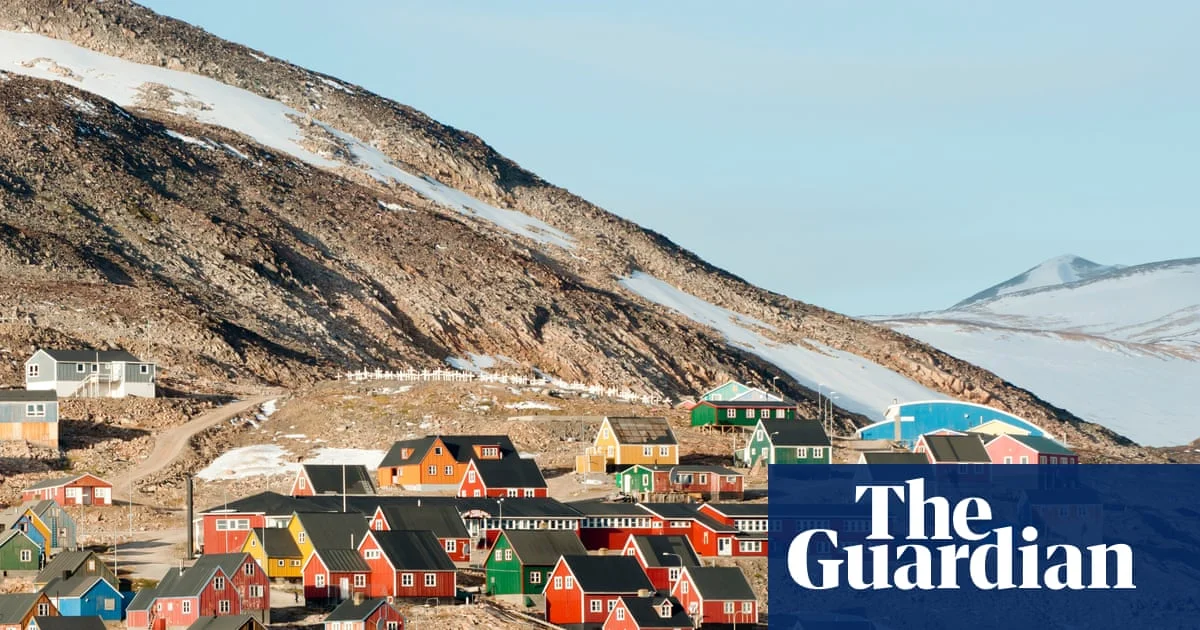
Greenland Energy, a Texas‑based venture with investors linked to former President Donald Trump, announced plans to bring 300 shipping containers of drilling equipment to the remote settlement of Nuuk. The company claims geological surveys reveal billions of barrels of crude beneath the island’s icy mantle, and it is pressing the Greenlandic government for an exploration licence. Danish authorities have so far rebuffed the claim, insisting that any offshore drilling must comply with strict environmental regulations and the Arctic Council’s moratorium.
The timing is crucial: the United States has recently intensified sanctions on Russian energy assets, and Western investors are scrambling for alternative sources of oil. If Greenland Energy secures a permit, it could open a new frontier for U.S.‑aligned oil production, potentially reshaping global supply dynamics and giving the Trump‑linked network a foothold in a geopolitically sensitive region.
Ten Dead in ICE Shooting: US Immigration Violence Escalates
A tragic incident in Texas has left ten people dead after Immigration and Customs Enforcement officers opened fire during a targeted operation. The victim, Lorenzo Salgado Araujo, was killed while driving to work, and three co‑workers were arrested. The shooting has sparked outrage among civil‑rights groups, who accuse ICE of using lethal force disproportionately and call for a federal investigation.
The incident arrives at a moment when the Biden administration is under pressure to reform immigration enforcement, while Republican lawmakers push for tougher border policies. Markets are watching closely because heightened immigration tensions can affect investor sentiment toward U.S. equities, especially in sectors tied to defense and security contracts.

ITG CEO Sells Nearly 6,000 Shares: Investor Implications
The chief executive of investment‑technology firm ITG disclosed the sale of almost 6,000 shares, worth roughly $1.2 million at current market prices. While insider selling can sometimes signal a lack of confidence, analysts note that the transaction appears to be part of a pre‑scheduled diversification plan and not necessarily a reaction to company fundamentals.
For Iranian investors, the broader market backdrop matters. The Iranian rial‑to‑USD rate rose from 180,150 to 181,200 (+0.6%) in the last 24 hours, while gold 18k per gram increased by 0.9% to 17,953,275 Toman, and the Emami coin edged up 0.3% to 181,500,000 Toman. These modest gains suggest a risk‑off mood that could benefit safe‑haven assets, but the ITG share sale reminds traders that corporate news can still trigger short‑term volatility in equities and related ETFs.
Frequently Asked Questions
Why is a Texas oil company interested in drilling in Greenland?
What are the legal hurdles for Greenland Energy to obtain a drilling licence?
How could the ICE shooting affect US immigration policy?
Do insider share sales like the ITG CEO’s indicate trouble for the company?
What does the US‑China AI leadership mean for emerging markets?
The Geopolitics of the Arctic
The headline about an oil firm pressing for a drilling permit in Greenland touches upon a concept of immense and growing global significance: the Geopolitics of the Arctic. Historically, the Arctic was a frozen, largely inaccessible frontier, primarily of interest to a few bordering nations. However, rapid climate change is transforming this region into a new strategic hotspot, reshaping global trade routes, resource access, and international power dynamics.
At the heart of Arctic geopolitics are two primary drivers: the melting of its vast ice caps and the immense, largely untapped natural resources beneath. As the ice recedes, new shipping lanes, such as the Northern Sea Route and the Northwest Passage, are becoming viable for longer periods. These routes offer significantly shorter transit times between Asia, Europe, and North America compared to traditional routes through the Suez or Panama Canals, promising economic benefits but also raising complex questions of sovereignty and control. Simultaneously, the Arctic is estimated to hold substantial reserves of oil, natural gas, and rare earth minerals, making it a lucrative target for energy and mining companies worldwide.
The key players in this evolving scenario are the Arctic Council member states: Canada, Denmark (via Greenland), Finland, Iceland, Norway, Russia, Sweden, and the United States. Each nation has distinct interests, ranging from economic exploitation and national security to environmental protection and the safeguarding of indigenous rights. Non-Arctic states, particularly China, are also increasingly asserting their interest in the region, seeking access to resources and shipping lanes, further complicating the geopolitical landscape.
The implications of Arctic geopolitics are far-reaching. While there are frameworks for international cooperation, such as the Arctic Council, the potential for increased competition and even conflict over territorial claims, resource rights, and strategic dominance is growing. The delicate Arctic environment also faces unprecedented threats from increased shipping, resource extraction, and military activity, demanding careful stewardship amidst competing national interests.
An oil firm seeking drilling permits in Greenland is a tangible example of these larger geopolitical and economic forces at play. It underscores how the melting Arctic, driven by climate change, is opening up new frontiers for resource extraction, drawing in international corporate and governmental interests into a region that is rapidly becoming one of the most strategically important on the planet.