Iran Transitions to Military Rule Post-Khamenei; Oil Prices Steady Amid Peace Hopes
ایران پس از خامنهای به سمت حکومت نظامی میرود؛ قیمت نفت در سایه امیدهای صلح ثابت ماند
As Iran lays Ayatollah Khamenei to rest, analysts suggest a significant shift from theocracy to a nationalistic military leadership is underway. Meanwhile, global oil markets are reacting cautiously to prospects of de-escalation in US-Iran tensions, while cryptocurrency platforms face new regulatory scrutiny.
At time of publishing
USD
181,100
Toman
Gold 18K
17.94M
Toman / gram
Bitcoin
$62,792
US Dollar
Tether
180,601
Toman
Iran's Leadership Shift: From Theocracy to Military Rule
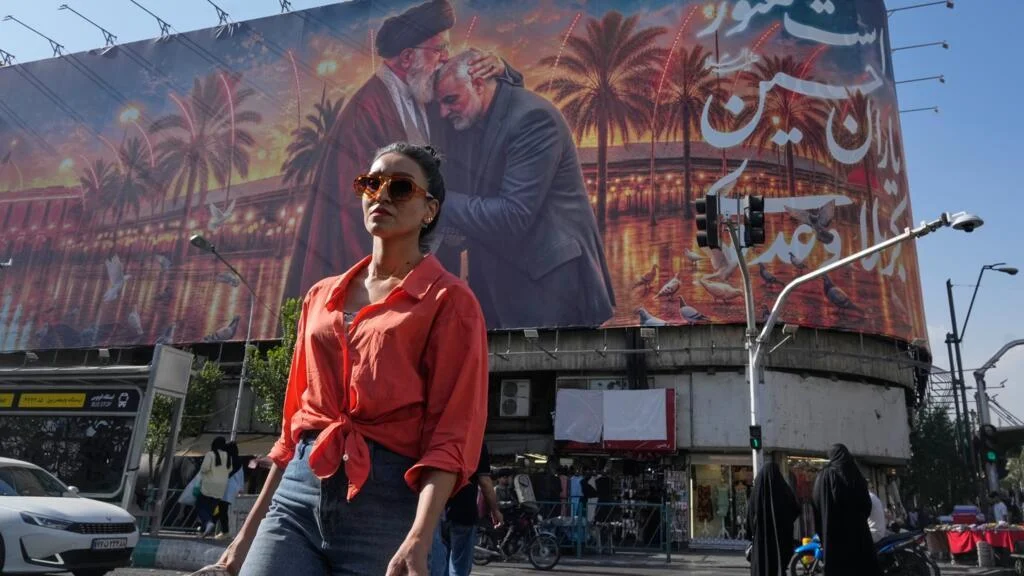
Following the death of Supreme Leader Ayatollah Ali Khamenei, Iran appears to be transitioning from a clerical system to one dominated by nationalistic military leadership. The prolonged funeral processions, marked by fervent anti-Trump slogans, are seen not just as a period of mourning but as a carefully orchestrated display of regime resilience to the world. Analysts like Angela Diffley suggest this shift signifies a fundamental change in Iran's political landscape, moving away from religious dogma towards a more pragmatic, security-focused governance structure. This transition could have profound implications for domestic policy and Iran's engagement with the international community.
The impact of this leadership change on Iranian citizens is multifaceted. Economically, expectations around currency stability and sanctions relief may fluctuate depending on the new leadership's approach to foreign policy and trade. The ongoing strikes between the US and Iran, even as Khamenei is laid to rest, underscore the volatile geopolitical environment. For ordinary Iranians, this period of uncertainty could translate into increased anxiety about the future, influencing consumer confidence and spending habits. The military's ascendance might also signal a more assertive posture on the regional stage, potentially leading to renewed trade disruptions or shifts in energy markets.
---
Global Markets: Oil Steady Amid US-Iran De-escalation Hopes, Crypto Faces Regulatory Headwinds
Global oil prices have shown a degree of stability, with Brent crude easing slightly as investors digest the potential for de-escalation in the ongoing conflict between the United States and Iran. Reports suggest that both nations are assessing prospects for peace, leading to a cautious optimism in the market. This has tempered the immediate demand for oil, preventing a significant price surge despite the underlying geopolitical tensions. The market is keenly watching for any concrete signs of a diplomatic breakthrough or, conversely, a renewed escalation that could jolt prices higher.
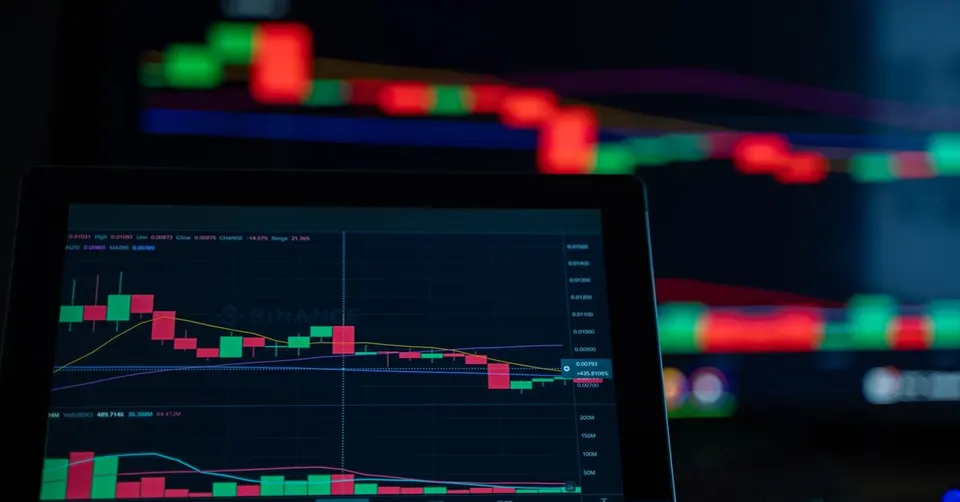
In the cryptocurrency space, regulatory scrutiny is intensifying. Hong Kong's Securities and Futures Commission (SFC) has mandated that crypto platforms and online brokers phase out One-Time Password (OTP) logins within 12 months, replacing them with more secure passkeys due to a surge in spoofing attacks. This move highlights a global trend towards stricter security measures for digital assets. Meanwhile, PayPal is making efforts to boost the adoption of its PYUSD stablecoin by enabling native issuance on the Polygon network, signaling a continued push by traditional financial players into the digital currency realm.
---
UK Politics: Farage Faces By-election Amid Funding Probe
Nigel Farage, the prominent British anti-immigrant politician, is set to face an unusual electoral challenge from perennial joke candidate Count Binface in a by-election he himself called. This peculiar contest unfolds as Farage is simultaneously under scrutiny from a parliamentary probe regarding his failure to disclose a substantial £5 million donation from Christopher Harborne, a Thailand-based cryptocurrency billionaire. The situation highlights the intersection of political maneuvering and the growing influence of crypto wealth in international politics.
The implications for UK politics are significant. Farage's Reform UK party is attempting to gain traction, and this self-triggered by-election is seen as a crucial battleground. However, the funding probe casts a shadow over his campaign, raising questions about transparency and the sources of political financing. The outcome of this by-election, and the ongoing investigation into the donation, could have ripple effects on the broader political landscape, potentially influencing public trust in electoral processes and the regulation of political funding, especially concerning digital assets.

Watch
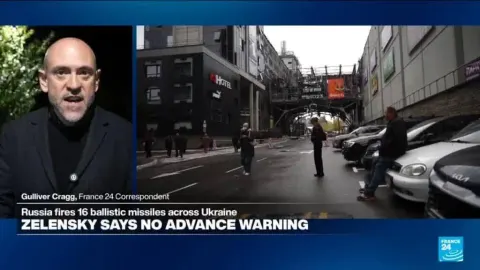
As Iran buries Khamenei, it shifts from 'a theocracy to a nationalistic military leadership'
FRANCE 24 English
Frequently Asked Questions
What is the immediate political impact of Khamenei's death on Iran's governance?
How are global oil prices reacting to the current US-Iran situation?
What new regulations are affecting cryptocurrency platforms?
What is the significance of Nigel Farage facing a by-election?
How might the leadership change in Iran affect its economy?
The Geopolitics of Oil: Understanding Global Impact from Regional Shifts
The headline "Iran Transitions to Military Rule Post-Khamenei; Oil Prices Steady Amid Peace Hopes" highlights a critical concept: the geopolitics of oil. This term describes the complex interplay between geography, power, and the world's most vital energy resource. Oil is not merely a commodity; it is a strategic asset whose production, transportation, and consumption profoundly influence international relations, economic stability, and even military conflicts. Its uneven distribution across the globe, with a significant portion concentrated in politically volatile regions like the Middle East, makes it a constant factor in global power dynamics.
For a nation like Iran, a founding member of OPEC and historically one of the world's largest oil producers, internal political developments inevitably ripple through global energy markets. A transition to military rule, as suggested by the headline, introduces a layer of uncertainty regarding future oil policies, production levels, and adherence to international agreements. Such shifts can lead to speculation about potential supply disruptions, changes in export volumes, or even the imposition of new sanctions, all of which directly impact global oil prices and the stability of the world economy.
However, the headline also notes "Oil Prices Steady Amid Peace Hopes." This indicates that market reactions are not solely driven by political transitions but also by perceptions of future stability and international engagement. If a new leadership is seen as potentially leading to greater regional peace or a more predictable foreign policy, markets might react calmly, anticipating continued or even increased oil flows. Conversely, heightened tensions or perceived risks could trigger price spikes. This delicate balance between political risk and diplomatic optimism constantly shapes the volatile landscape of global energy markets, making the geopolitics of oil a crucial lens through which to understand world events.