UK Policy Pivot: Burnham Apologizes for Gaza Stance as US-Iran Strikes Escalate Near Bushehr
چرخش دیپلماتیک بریتانیا در قبال غزه؛ همزمان با حملات سنگین در نزدیکی بوشهر و صعود دلار
Andy Burnham, the UK's prime-minister-in-waiting, has issued a landmark apology for Labour's stance on Gaza, signaling a harder line against Israel. Meanwhile, the Middle East teeters on the brink as US strikes are reported near the Bushehr nuclear plant, driving the Toman to 181,100.
At time of publishing
USD
181,100
Toman
Gold 18K
17.92M
Toman / gram
Bitcoin
$62,664
US Dollar
Tether
180,733
Toman
The UK’s Middle East Pivot: Burnham’s Strategic Apology
In a move that could redefine the United Kingdom's foreign policy for the next decade, Andy Burnham—the man many view as the next British Prime Minister—has issued a formal apology for the Labour Party's initial handling of the conflict in Gaza. Speaking exclusively to The Guardian, Burnham admitted that the party "didn't get it right" and promised a significant shift in posture. This isn't just a change in tone; Burnham suggested that a future Labour government would likely increase pressure on the Israeli government, potentially implementing sanctions on specific entities and even banning trade with illegal settlements.
This shift reflects a growing realization within the UK political establishment that the domestic and international costs of their previous stance have become unsustainable. For the Iranian reader and the wider Middle East, this signals a potential fracturing of the unified Western front that has historically provided a diplomatic shield for Israeli military operations. If the UK moves toward a more restrictive trade and sanction regime, it could force other European nations to reconsider their own positions, leading to a more isolated Israeli administration and a more complex diplomatic landscape in the Levant.

Fire in the Gulf: Bushehr and the Collapse of the Ceasefire
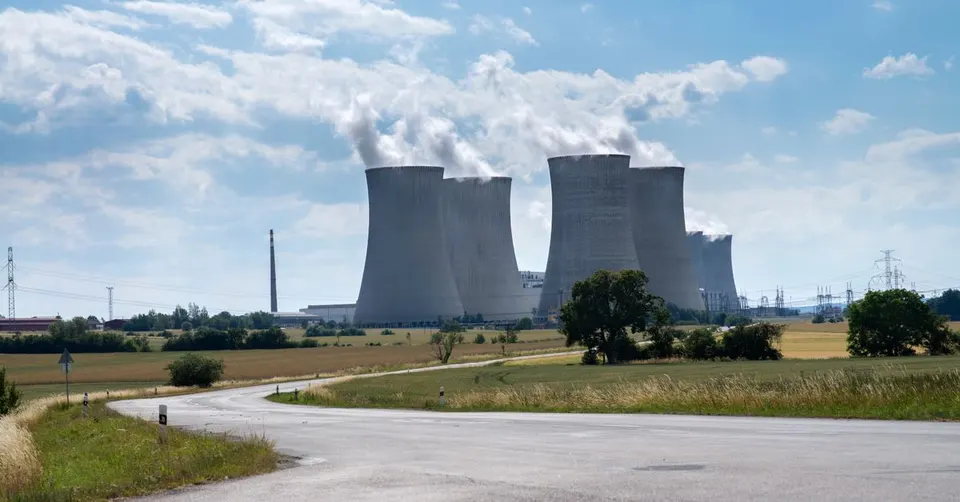
The fragile peace that briefly held in the Persian Gulf has shattered. Reports from the Ground in Bushehr indicate that US strikes have hit targets in close proximity to the city's nuclear facility, prompting an immediate and aggressive response from Iranian forces. While the nuclear plant itself remains reportedly intact, the psychological and strategic barrier of attacking such a sensitive area has been breached. This escalation has drawn in regional neighbors, with Jordan reporting that it has intercepted several missiles launched from Iranian territory, while Kuwait has issued a stern warning that its sovereignty is a "red line" following nearby strikes.
This development marks the most intense exchange of fire since the brief ceasefire was extended earlier this month. The involvement of regional air defenses, particularly in Jordan, suggests that this is no longer a contained skirmish between two adversaries but a regional conflagration that threatens the stability of the entire energy corridor. The move by the US to strike near a nuclear site—even if aimed at adjacent military infrastructure—is being interpreted by Tehran as a significant escalation, likely leading to further retaliatory measures against US assets in Iraq and Syria, or an increased naval presence in the Strait of Hormuz.
Markets Under Pressure: Toman Hits 181,100 Amid War Drums
The economic fallout of the military escalation was felt instantly in the Tehran markets. The US Dollar (USD) rose from 180,150 to 181,100 Toman, a 0.5% increase in a single day, as investors scrambled for the safety of hard currency. Gold followed a similar trajectory, with 18k gold per gram moving from 17,787,063 to 17,918,648 Toman (+0.7%). These movements are not merely speculative; they reflect a deep-seated anxiety about the possibility of a full-scale regional war that could disrupt oil exports and further isolate the Iranian banking sector.
Globally, the tension is manifesting in the bond and mortgage markets. In the United States, mortgage rates have jumped as bond investors demand higher yields to compensate for the geopolitical risk stemming from the Iran conflict. This creates a strange paradox where a conflict in the Persian Gulf is directly making it more expensive for an American family to buy a home in the Midwest. Meanwhile, Bitcoin has managed to hold above $62,000, currently trading at $62,664, as some traders view it as a "digital gold" hedge, though the upcoming $1.4 billion options expiry on Friday remains a looming threat to price stability.
NATO’s Internal Friction and the Energy Dilemma
At the NATO summit in Ankara, the facade of unity is being tested by the reality of the Middle East crisis. US President Donald Trump has reportedly ripped into European allies for their perceived lack of support in the ongoing strikes against Iranian targets, even questioning their "loyalty" to the alliance. While NATO leaders officially rally behind Ukraine, the distraction of a potential war in the Gulf is thinning resources and political will. The tension was palpable as leaders met to discuss the future of the alliance, with some European members expressing private concern that the US is dragging them into an avoidable conflict with Tehran.

Beyond politics, the global shipping industry is facing its own crisis. As war risks drive up insurance premiums in the Persian Gulf, the industry is also struggling with the transition to "green" fuels. A recent industry report highlights that while environmental pressure is mounting, the costs of sustainable petroleum alternatives remain prohibitively high. For the consumer, this means a "double whammy": higher prices at the pump due to geopolitical risk, and higher costs for transported goods as shippers pass on the expense of expensive new fuel mandates. The dream of a green, stable energy future seems further away than ever as the world's primary oil artery remains under fire.
Frequently Asked Questions
Why is Andy Burnham's apology significant for Iran?
Was the Bushehr nuclear plant directly hit in the recent strikes?
How is the Iran-US conflict affecting global mortgage rates?
Understanding Nuclear Deterrence and the Strategic Role of Iran’s Bushehr Plant
The Bushehr Nuclear Power Plant, Iran’s only commercial nuclear reactor, sits on the Persian Gulf coast and supplies roughly 5% of the country’s electricity. While its primary purpose is civilian energy production, the plant carries a heavy strategic weight because any damage to it would not only cripple Iran’s power grid but also signal a willingness to target nuclear infrastructure in the volatile Middle East. This dual nature makes Bushehr a focal point in regional security calculations, especially when tensions flare between Iran, the United States, and their allies.
Nuclear deterrence theory explains why states with nuclear capabilities—or those perceived to be on the path to acquiring them—tend to avoid direct military confrontation. The mere existence of a nuclear asset can raise the stakes of any conflict, because an attack on such a facility could trigger a disproportionate response, potentially involving nuclear retaliation or broader escalation. For Iran, maintaining Bushehr operational serves both a practical energy need and a symbolic deterrent, signalling resilience against external pressure.
When a state considers striking near a nuclear plant, it must weigh the immediate tactical gain against the long‑term strategic fallout. A strike could temporarily degrade Iran’s power generation, but it also risks international condemnation, sanctions, and the possibility of retaliation that could spiral into a wider conflict. Moreover, the use of precision weapons near a reactor raises concerns about radioactive release, which would have humanitarian and environmental consequences far beyond the battlefield.
The recent uptick in rhetoric surrounding Bushehr underscores how nuclear facilities are woven into broader geopolitical narratives. NATO’s discussions at the Ankara summit, for example, have highlighted the need for collective security measures to protect critical infrastructure in partner nations. Meanwhile, the UK Labour Party’s foreign‑policy shift, as voiced by Andy Burnham, reflects a growing awareness that any diplomatic stance on Gaza or Iran must consider the nuclear dimension and the deterrence calculus that underpins regional stability.
In short, Bushehr is more than a power plant; it is a linchpin in the delicate balance of deterrence, energy security, and diplomatic signaling. Understanding its role helps explain why strikes near the site provoke such intense international scrutiny and why policymakers tread carefully when formulating responses to crises in the Middle East.