
Tehran Strikes Intensify as Israel Warns of Retaliation
حملات تهران تشدید میشود؛ اسرائیل به تلافی هشدار میدهد
Tensions escalate as Tehran's new strikes provoke Israel to threaten stronger retaliation. This development may impact regional stability and economic conditions.
At time of publishing
USD
181,100
Toman
Gold 18K
17.87M
Toman / gram
Bitcoin
$63,308
US Dollar
Tether
180,000
Toman
Tehran Strikes Intensify Amid Israeli Threats
Tensions between Iran and Israel have escalated further as Tehran launched a new wave of strikes, prompting Israel to issue a stern warning of retaliatory action with 'even greater force.' These developments mark the most intense exchange of hostilities since the ceasefire was extended, raising concerns about potential impacts on regional stability. Kuwait's foreign ministry has condemned the Iranian attacks, emphasizing its sovereignty as a 'red line.' This reaction highlights the broader implications of the conflict on regional alliances and diplomatic relations.
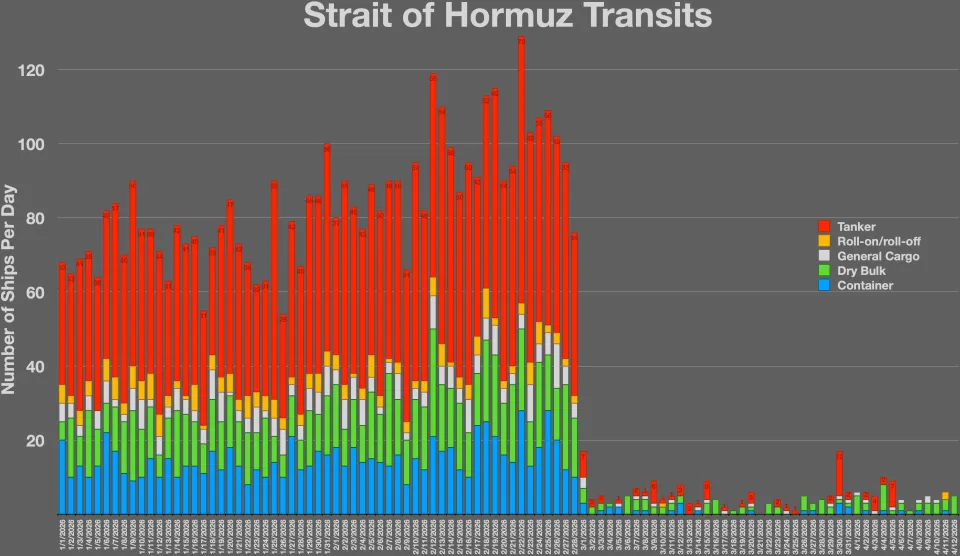
The recent escalation comes amid a backdrop of ongoing geopolitical tensions in the Middle East. Analysts warn that continued hostilities could disrupt trade routes, including the critical Strait of Hormuz, which is vital for global oil supply. The situation remains fluid, with potential ramifications for international markets and energy prices. For Iranian readers, this intensification of conflict may affect currency expectations and economic stability, particularly if sanctions or military actions further impact the region.
Leveraged ETFs Stir Market Volatility Concerns
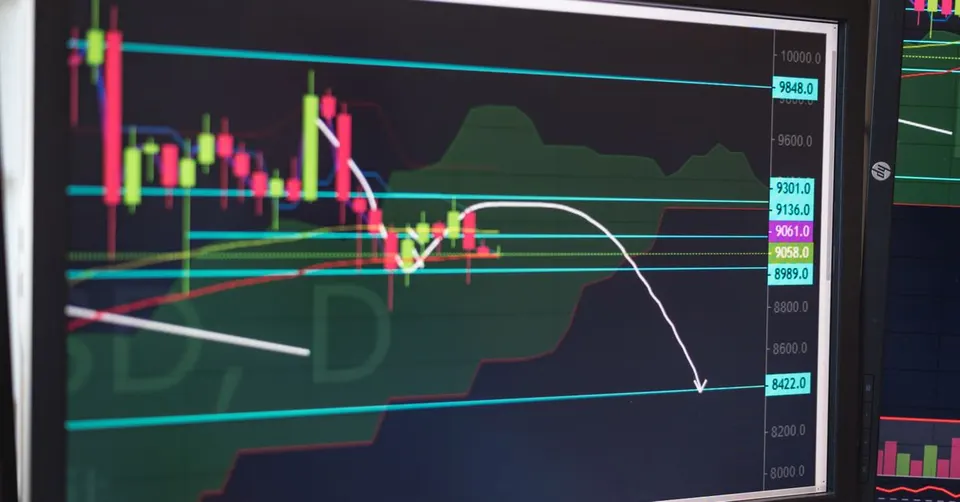
Leveraged Exchange-Traded Funds (ETFs) have seen a remarkable resurgence in 2026, drawing both interest and concern from market participants. These financial instruments, which amplify the returns of underlying assets, have boomed in popularity, potentially contributing to increased market volatility. Some market analysts argue that the volatility is a feature rather than a bug for traders who favor these products. However, the rapid fluctuations in stock prices could pose risks for less experienced investors, potentially leading to significant losses.
The rise in risky leveraged ETFs mirrors broader market dynamics, where investors are seeking higher returns amid a low-interest-rate environment. Yet, the potential for amplified losses raises questions about the sustainability of these investment strategies. For those following the Iranian economic scene, the volatility in global markets could influence the value of savings and investment portfolios, as well as inflation expectations. It's crucial for investors to exercise caution and consider the inherent risks involved.
Factory Fire Tragedy in China's 'Shoe Capital'
A devastating factory fire in China's renowned 'Shoe Capital' has claimed the lives of 28 workers, according to recent reports. The incident underscores a troubling trend of industrial accidents in the country, prompting Chinese President Xi Jinping to call for a thorough investigation. This tragedy highlights ongoing challenges in workplace safety standards and regulatory oversight within China's vast manufacturing sector.
The repercussions of such incidents extend beyond immediate human loss and have the potential to impact international supply chains. As one of the world's largest manufacturing hubs, disruptions in Chinese production can lead to global supply shortages and affect market dynamics. For businesses and consumers worldwide, this serves as a reminder of the interconnectedness of global economies and the need for robust safety and regulatory frameworks.

Anthropic's Claude Fable 5 Signals Shift in AI Subscription Models
In the tech sector, Anthropic has announced a shift in its subscription model for the Claude Fable 5 AI, introducing usage-based fees. This move signals a broader trend in the AI industry where companies are reevaluating the sustainability of flat-rate subscription models. As AI models become more sophisticated and resource-intensive, the economics of providing these services are evolving, prompting providers to seek more viable financial structures.
For businesses and individual users, this change signifies a potential increase in costs associated with accessing cutting-edge AI technologies. The transition could encourage users to be more selective in their usage, potentially impacting the adoption rate of sophisticated AI tools. As AI continues to permeate various sectors, from finance to healthcare, understanding these shifts will be crucial for stakeholders looking to leverage AI capabilities effectively.
Frequently Asked Questions
What triggered the recent escalation between Iran and Israel?
How might the Iran-Israel conflict affect global markets?
What are the risks associated with leveraged ETFs?
What was the impact of the factory fire in China's 'Shoe Capital'?
Why is Anthropic changing its AI subscription model?
Understanding Leveraged ETFs: High‑Leverage Investment Vehicles and Their Risks
A leveraged exchange‑traded fund (ETF) is a type of fund that seeks to amplify the daily returns of a benchmark index, typically by a factor of two (2x) or three (3x). It does this by using derivatives such as futures contracts, swaps, and options, combined with borrowing, to create a position that moves more than the underlying index. For example, if the S&P 500 rises 1% in a day, a 2x leveraged S&P 500 ETF aims to deliver about a 2% gain; conversely, a 1% decline would produce roughly a 2% loss.
The leverage is reset each trading day, meaning the fund’s exposure is recalibrated to the target multiple at the start of every session. This daily compounding effect can cause the fund’s performance to diverge significantly from the simple multiple of the index over longer periods, especially in volatile markets. In a choppy environment, the repeated resetting can erode value even if the underlying index ends up unchanged after a series of up‑ and down‑moves.
Because of this structure, leveraged ETFs are best suited for short‑term tactical trades, not for buy‑and‑hold investors. They can be powerful tools for traders who want to express a view on market direction within a single day or a few days, but they carry heightened risk: amplified losses, higher expense ratios, and the potential for “decay” due to the daily reset. During periods of heightened geopolitical tension—such as the Iran‑Israel conflict and related market volatility—these funds can experience extreme swings, making them especially dangerous for unwary investors.
Regulators worldwide have issued warnings about the complexities of leveraged ETFs. The U.S. Securities and Exchange Commission (SEC) advises investors to read the fund’s prospectus carefully, understand the mechanics of daily rebalancing, and consider whether they have the risk tolerance and trading expertise required. For most retail investors, traditional, unleveraged ETFs or diversified mutual funds provide a more stable path to market exposure.
In short, leveraged ETFs illustrate how financial engineering can magnify both opportunity and danger. Knowing how they work, their daily reset feature, and the conditions that cause performance decay equips investors to make informed decisions, especially when global events stir up market turbulence.