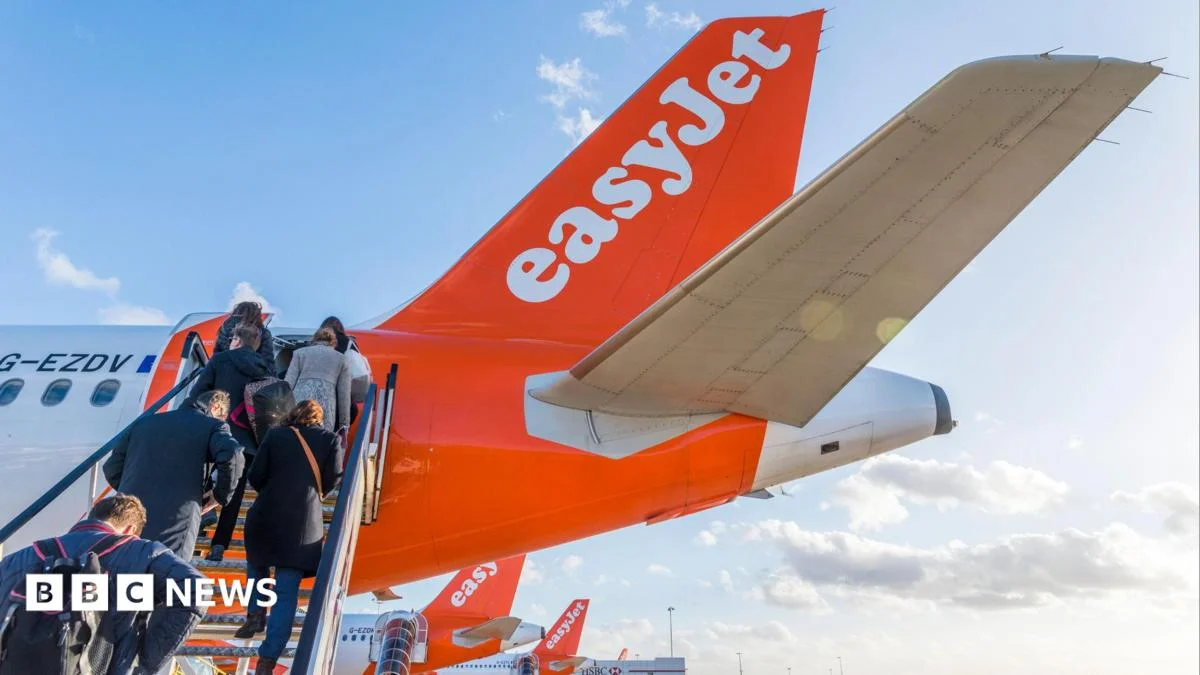
EasyJet Takeover, SK Hynix IPO, and Developing Nations' Debt Crisis Dominate Markets
تصاحب ایزیجت، عرضه اولیه SK Hynix و بحران بدهی کشورهای در حال توسعه بر بازارها مسلط شدند
US private equity firm Apollo has agreed to a £5.7 billion takeover of easyJet, signaling significant consolidation in the European airline sector. Meanwhile, SK Hynix secures a record $26.5 billion in its US offering, highlighting investor appetite for AI-driven chip stocks. A new UN report reveals a troubling trend: developing nations are prioritizing foreign debt repayment over essential services like education.
At time of publishing
USD
179,650
Toman
Gold 18K
17.70M
Toman / gram
Bitcoin
$63,926
US Dollar
Tether
178,212
Toman
Apollo Bids for EasyJet in £5.7 Billion Takeover
US private equity giant Apollo has entered the fray with a compelling £5.7 billion takeover bid for the budget airline easyJet, a move that has been tentatively recommended by the airline's board. This offer from Apollo surpasses a prior potential deal with rival firm Castlelake, indicating a significant bidding war for the carrier. The proposed all-cash deal values easyJet at £7.15 per share, a price point that appears attractive enough to garner board-level support, pending shareholder approval.
This development is a major event in the European aviation landscape. Private equity firms have been increasingly active in acquiring established companies, seeking to leverage their assets and market positions. For easyJet, this potential acquisition raises questions about its future strategy, operational focus, and integration into Apollo's broader investment portfolio. Investors will be closely watching the shareholder vote, as well as any further regulatory reviews, to understand the long-term implications for the airline and its passengers.
---
SK Hynix Nets Record $26.5 Billion in US Offering
South Korean semiconductor powerhouse SK Hynix has successfully raised a staggering $26.5 billion through a U.S. stock offering, marking a record debut for a foreign firm in the American market. This massive influx of capital underscores the immense investor demand for companies at the forefront of the artificial intelligence revolution, particularly those involved in advanced memory chip production. The offering eclipses even Alibaba's substantial 2014 IPO, signaling a new benchmark for international companies seeking to tap into U.S. capital markets.
The significance of this deal extends beyond SK Hynix. It highlights the critical role of semiconductors in the modern economy and the ongoing global race for technological supremacy. Investors are betting heavily on the continued growth of AI, cloud computing, and data centers, all of which require cutting-edge memory solutions. This capital infusion will likely enable SK Hynix to accelerate its research and development, expand its manufacturing capabilities, and further solidify its competitive position against rivals like Samsung and Intel.

---
Developing Nations Divert Funds from Education to Debt Repayment
A stark report released by UNESCO reveals a deeply concerning global trend: 113 developing countries are spending more on servicing their foreign debt than on education. In some regions, such as sub-Saharan Africa, the disparity is stark, with nations allocating 3.6 times more resources to loan repayments than to educating their youth. This comes at a time when global aid to education is projected to decline significantly, further exacerbating the crisis.
This reallocation of funds has profound implications for the future of these nations. When debt obligations take precedence over investments in human capital, it creates a vicious cycle of poverty and underdevelopment. Children are denied access to quality education, limiting their future opportunities and hindering the long-term economic growth and stability of their countries. The report serves as a critical call to action for international financial institutions and developed nations to reconsider debt relief strategies and prioritize sustainable development goals.
---
Market Impact and Currency Watch
The global markets are reacting to a confluence of major corporate and economic news. The proposed easyJet takeover and SK Hynix's record-breaking IPO are injecting significant activity into the equity markets, particularly within the travel and technology sectors. For currency traders, the USD/IRR exchange rate saw a slight depreciation, moving from 181,100 to 179,650 (-0.8%). This movement, while modest, reflects ongoing market sentiment and potential shifts in global economic outlooks.
Gold prices also experienced a minor dip, with 18k gold per gram falling from 17,874,786 to 17,699,339 (-1.0%). This indicates a slight risk-on sentiment in the market, where investors may be moving away from safe-haven assets like gold towards equities, especially those with high growth potential such as AI-related chip stocks. The stability in the Emami coin price (0.0% change) suggests a less volatile segment within the precious metals market, perhaps catering to a different investor base or influenced by domestic factors.

---
Geopolitical Undercurrents and Economic Strain
Beyond corporate maneuvers and market fluctuations, the global economic landscape is shaped by significant geopolitical and developmental challenges. The UNESCO report on developing countries prioritizing debt over education underscores the immense financial strain many nations face, potentially impacting global stability and trade relations. This economic vulnerability can create fertile ground for political instability and affect investor confidence worldwide.
While not directly impacting the easyJet or SK Hynix deals, these underlying economic pressures can influence broader market sentiment. A world where developing economies are struggling to fund essential services may lead to reduced consumer demand, supply chain disruptions, and increased demand for safe-haven assets. The interplay between geopolitical events, economic policies, and market performance remains a critical factor for investors and policymakers alike, influencing everything from currency valuations to investment flows.

Frequently Asked Questions
What is the total value of the Apollo bid for easyJet?
How much did SK Hynix raise in its US offering?
Which countries are spending more on debt than education, according to the UN report?
How did the USD/IRR exchange rate perform in the last 24 hours?
What was the price change for 18k gold per gram in Toman?
Understanding the Developing Nations' Debt Crisis
A recurring challenge in the global economy, the Developing Nations' Debt Crisis refers to situations where low- and middle-income countries struggle to service or repay their sovereign debt. Sovereign debt is the money that a government owes to its creditors, which can include other countries, international financial institutions like the IMF or World Bank, and private bondholders. Developing nations often borrow heavily to fund essential infrastructure projects, social programs, and economic development initiatives, aiming to improve living standards and foster growth.
These crises typically emerge when a country's ability to generate revenue (through exports, taxes, or foreign aid) falls short of its debt obligations. Several factors can trigger or exacerbate such a crisis: sudden increases in global interest rates make existing debt more expensive to service; sharp depreciations of the local currency against major international currencies (like the USD) inflate the cost of foreign-denominated debt; and external shocks such as commodity price crashes, natural disasters, or global pandemics can severely disrupt economic activity and government finances. Internal factors like political instability, corruption, and poor economic management also play a significant role.
The consequences of a developing nation's debt crisis are severe and far-reaching. Governments facing overwhelming debt often resort to austerity measures, cutting public spending on critical services like healthcare, education, and social safety nets. This can lead to increased poverty, unemployment, and social unrest. Furthermore, a country's inability to borrow new funds or roll over existing debt can stifle economic growth, deter foreign investment, and even lead to a sovereign default, which has devastating long-term effects on its creditworthiness and access to international markets.
Addressing these crises often involves complex negotiations and interventions. International financial institutions like the International Monetary Fund (IMF) and the World Bank may provide emergency loans, often conditional on economic reforms and austerity measures. Debt restructuring, where creditors agree to alter the terms of repayment (e.g., lower interest rates, longer maturities), is another common approach. Ultimately, sustainable solutions require a combination of responsible fiscal management by debtor nations, fair lending practices by creditors, and a stable global economic environment to prevent future crises.