Mashhad Mourns as Ayatollah Khamenei Laid to Rest Amid Rising Tensions
مشهد در سوگ: آیتالله خامنهای به خاک سپرده شد در میانه افزایش تنشها
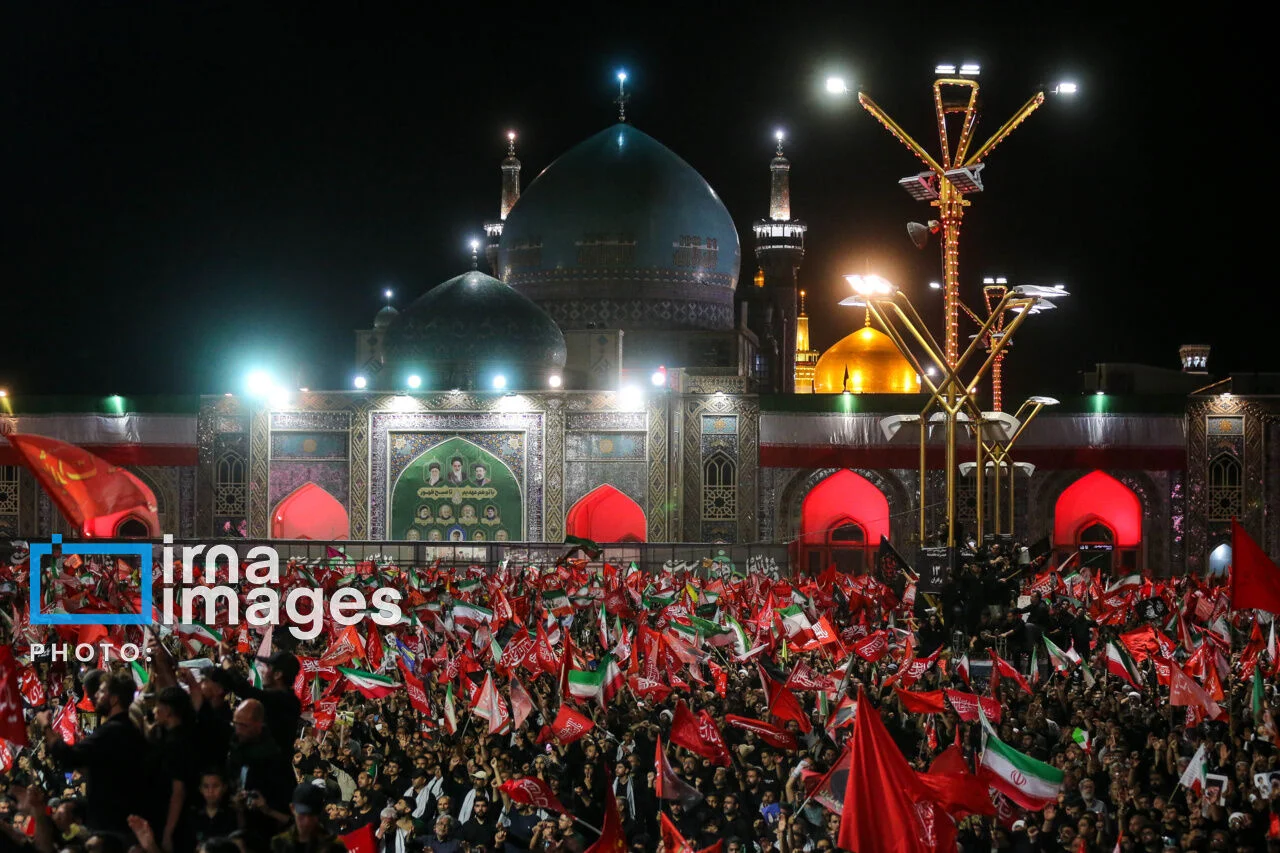
Mashhad witnessed a somber Sham-e-Ghariban for Ayatollah Khamenei, reflecting deep national mourning. Meanwhile, geopolitical tensions with the U.S. are escalating, impacting regional stability.
At time of publishing
USD
181,100
Toman
Gold 18K
17.73M
Toman / gram
Bitcoin
$64,061
US Dollar
Tether
178,975
Toman
Market Open — today's USD/IRR, gold gram, and BTC with 24h delta
This morning, the Iranian Toman remained steady against the US dollar with the exchange rate holding at 181,100, reflecting a neutral market sentiment after a night of significant national events. The price of gold in its 18k form decreased by 0.8%, suggesting a small shift in local investor behavior possibly due to geopolitical concerns. Bitcoin continues to attract attention globally, maintaining its value around USD 64,061, a notable figure amid recent fluctuations driven by international market factors.
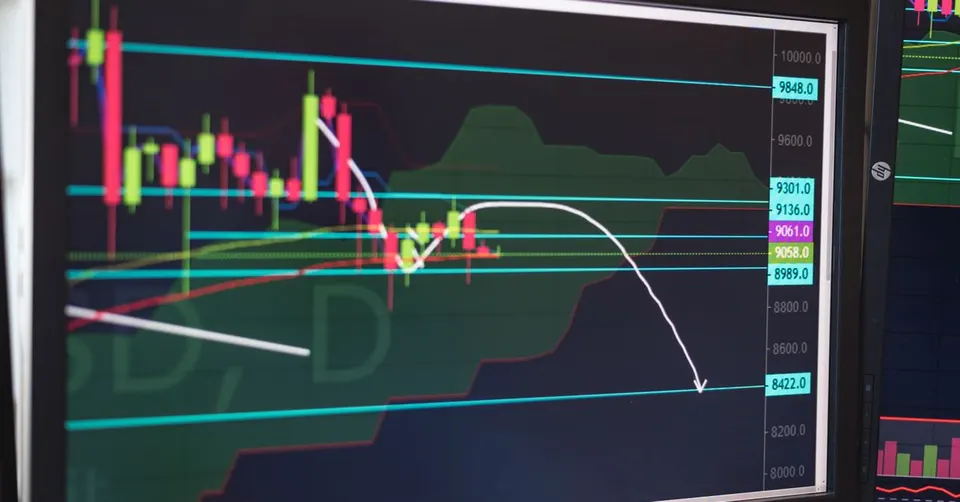
In the metals market, the stability of the Emami coin price at 181,500,000 Toman signals a cautious approach among Iranian investors, who are likely weighing the implications of both internal events and external geopolitical pressures.
Mashhad Observes Sham-e-Ghariban for Ayatollah Khamenei's Burial
On July 9, 2026, Mashhad became the focal point of national mourning as the city observed Sham-e-Ghariban to honor the late Leader of the Islamic Revolution, Ayatollah Seyyed Ali Khamenei. Thousands gathered at the Imam Reza shrine, where the Ayatollah's body was laid to rest, marking an end to a significant era in Iran's political and religious leadership. The event was led by Seyyed Mostafa Khamenei, the Ayatollah’s eldest son, who conducted the funeral prayers in a ceremony rich with emotion and symbolism.
The passing of Ayatollah Khamenei has not only cast a shadow of grief over the nation but also stirred political and social reflections about Iran’s future. His leadership, which spanned decades, was pivotal in shaping Iran’s domestic and foreign policies. As citizens contemplate the implications of his death, the international community watches closely, aware that Iran's internal dynamics could influence broader geopolitical landscapes.
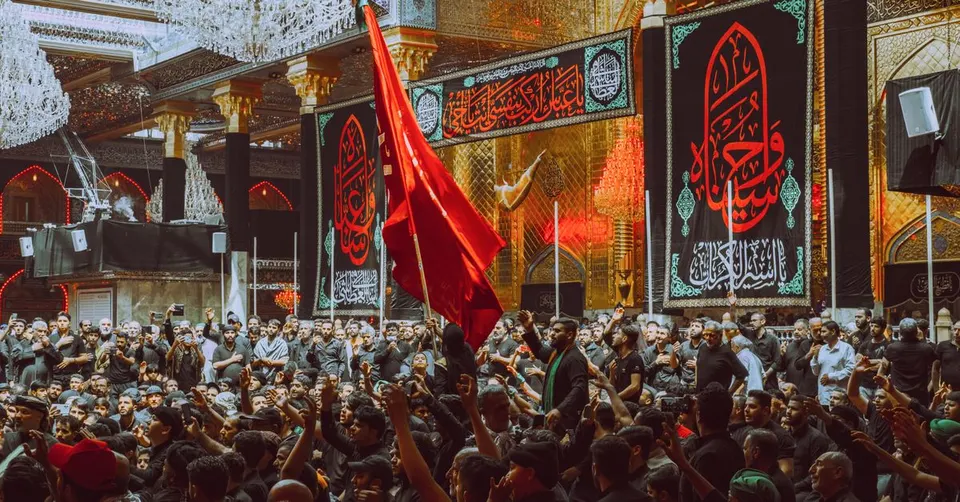
The mourning period has also highlighted the depth of Iran's political traditions, which are deeply intertwined with its religious identity. This event underscores the complex interplay between Iran’s leadership and its religious institutions, a factor that will continue to play a critical role in the country's governance and its interactions on the world stage.
U.S. and Iran Sink Into Violent Cycle After Latest Strikes
While Iran mourns its leader, tensions with the United States have reached a boiling point, marked by a series of retaliatory strikes. This escalation follows a pattern of hostilities that has characterized U.S.-Iran relations, threatening regional stability and global oil markets. The cycle of violence has led to increased volatility, with oil prices seeing modest gains despite a backdrop of ample supply perceptions.
The recent confrontations are part of a larger geopolitical chess game, with both nations maneuvering for strategic advantage. For Iran, the stakes are high as it seeks to navigate these tensions without further destabilizing its economy, already under the strain of international sanctions and domestic pressures. For the U.S., maintaining a hard line is a signal of deterrence, though it risks further inflaming regional conflicts.
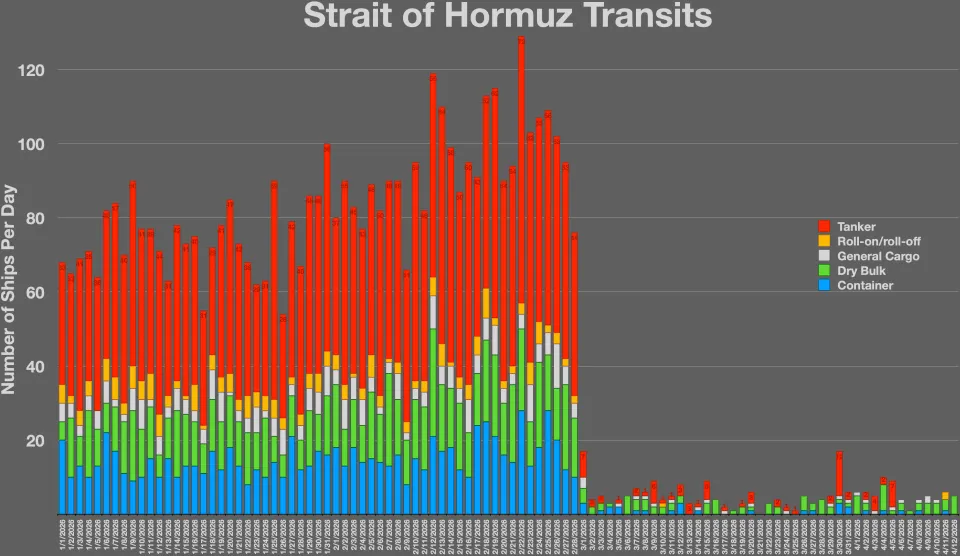
This renewed cycle of violence complicates the prospects for any diplomatic resolutions. The international community, particularly major players in the energy markets, remains on alert, aware that any disruption in the Persian Gulf could have far-reaching consequences for global oil supply and economic stability.
Australia Faces Costs in Legal Battles Over Pro-Palestine Protests
Australia has found itself embroiled in legal challenges, having spent nearly $500,000 on court cases against pro-Palestine protest groups. These legal battles, largely unsuccessful, highlight the contentious nature of public assembly laws enacted in response to heightened tensions in the region.
The financial and political costs of these legal proceedings are significant, as they underscore the often fraught relationship between government policy and public dissent. The cases have drawn attention to the broader implications of restricting protest rights, a theme that resonates globally as governments balance security concerns with civil liberties.
As Australia navigates these challenges, the outcomes could influence future legislative approaches both domestically and in other democracies facing similar tensions. The spotlight on these legal battles also serves as a reminder of the ongoing debates surrounding free speech and the right to protest in a rapidly changing world.