Succession Rituals in Mashhad and Steel Under Fire: The Economic and Geopolitical Cost of Iran’s Transition
مناسک جانشینی در مشهد و فولاد زیر آتش؛ بهای اقتصادی و ژئوپلیتیک گذار در ایران
As Mashhad hosts a massive commemoration for the late leader, the Rial sees a surprising 1.3% gain, while new reports highlight the devastating impact of Israeli strikes on Iran's industrial backbone.
At time of publishing
USD
176,000
Toman
Gold 18K
17.46M
Toman / gram
Bitcoin
$64,118
US Dollar
Tether
176,502
Toman
Continuity and Succession: The Mashhad Commemoration
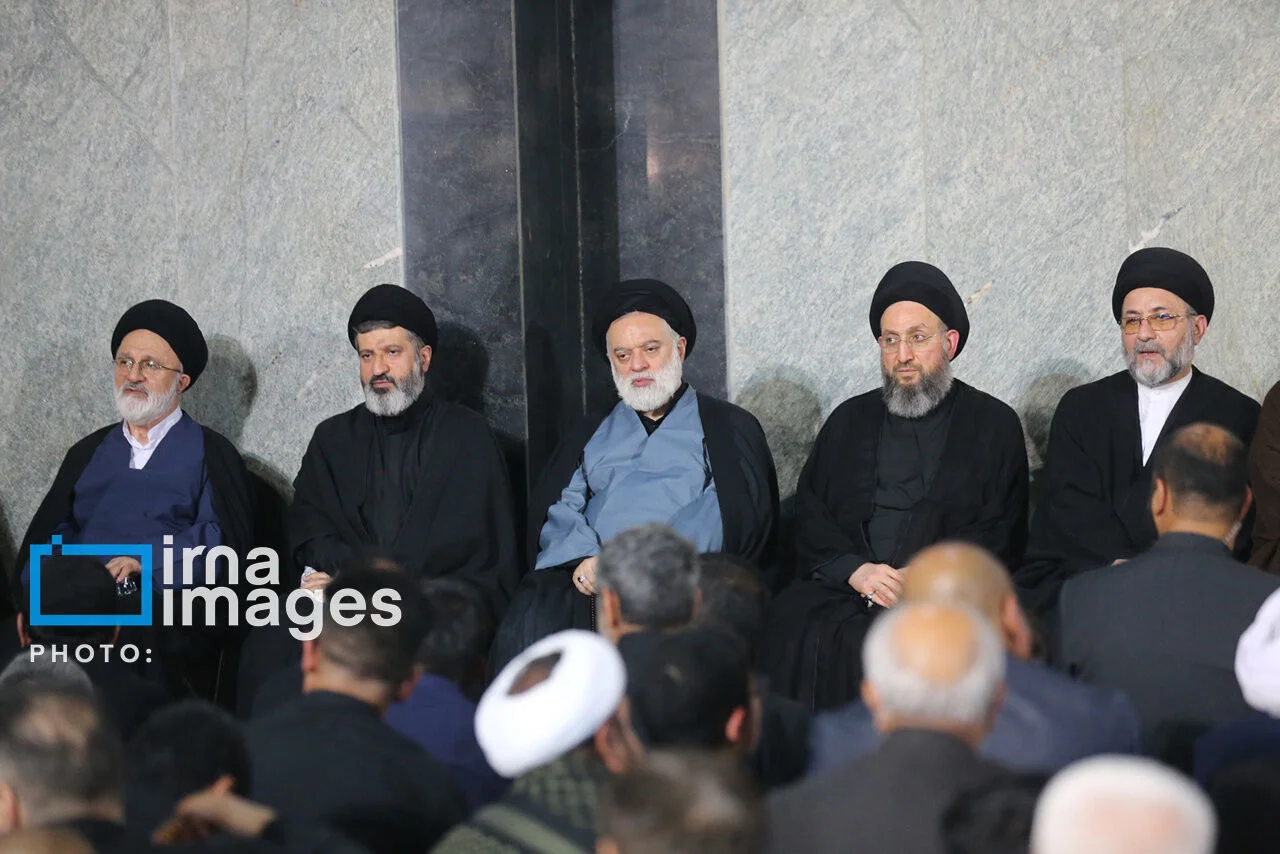
On July 11, 2026, the Holy Shrine of Imam Reza in Mashhad became the epicenter of Iran’s political and religious theater. A major commemoration ceremony for the late leader, Ayatollah Seyyed Ali Khamenei, was organized by his son, Ayatollah Seyyed Mojtaba Hosseini Khamenei. This event is not merely a ritual of mourning; it is a profound signal of continuity and a public positioning of the younger Khamenei within the power structure. State media reports that the ceremony drew thousands, framing the late leader’s legacy as a foundational pillar for the next era of the Islamic Republic.
Beyond the borders of Iran, symbolic funeral processions were held as far away as Tunisia, where citizens who could not travel to Mashhad or Iraq gathered to pay their respects. This internationalized mourning process is designed to project strength and regional influence even during a period of perceived vulnerability. For the average Iranian, these rituals are a double-edged sword: while they signal a degree of domestic stability in the transition, they also reinforce the status quo, suggesting that the fundamental economic and social policies of the previous era will likely remain unchanged under the new leadership.

The Industrial Front: Steel Facilities and the Civilian Toll
As the nation mourns, new details have emerged regarding the long-term impact of Israeli military strikes on Iran’s industrial infrastructure. A recent investigative report has scrutinized the targeting of Iranian steel plants, which Israel claims are valid military targets because they provide revenue and materials for the military-industrial complex. However, the reality on the ground suggests a much broader economic impact. These facilities are the lifeblood of provincial economies, and their destruction has paralyzed local supply chains, leading to massive job losses and a sharp decline in non-oil export revenue.
What this means for the Iranian reader is a tightening of the economic noose that goes beyond simple currency fluctuations. Steel is Iran's second-largest export sector after hydrocarbons; by systematically degrading this industry, the strikes are effectively hollowing out the country's ability to fund its own reconstruction or provide for civilian needs. This strategy of "industrial attrition" is designed to create internal pressure on the government, but it often hits the working class the hardest, further eroding the purchasing power of the Rial in the long term despite any short-term gains seen in the currency markets today.
Market Snapshot: A Controlled Calm in the Rial
Despite the regional tension and industrial damage, the Iranian Rial has shown a rare moment of resilience today. The USD sell rate moved from 178,250 to 176,000 Toman, marking a 1.3% appreciation. Similarly, the Emami gold coin saw a significant drop of 2.5%, moving from 181,500,000 to 177,000,000 Toman. This movement is likely a result of heavy central bank intervention and a "market freeze" typically seen during major state mourning periods, where speculative trading is discouraged and liquidity is tightly managed to prevent a public display of financial panic.
However, the global context remains bullish for safe-haven assets. With gold sitting at $4,121.40 per ounce and Bitcoin stabilizing above the $64,000 mark, the underlying pressure on the Rial remains immense. Investors should be wary of this "artificial calm"; the fundamental drivers of inflation—sanctions, industrial degradation, and geopolitical risk—have not dissipated. The current dip in the USD/IRR rate may offer a brief window for those looking to hedge, but the long-term trend remains tethered to the outcome of the ongoing regional conflict and the new administration's ability to secure trade routes.
Regional Fallout: The Theater of War in Beirut
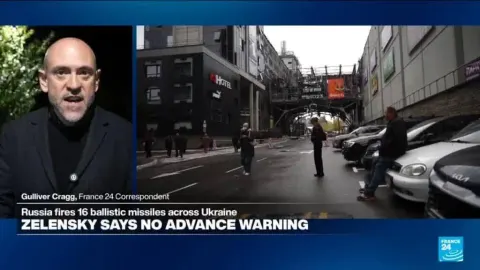
The humanitarian cost of the regional conflict continues to mount, with the Lebanese National Theater in Beirut now serving as a makeshift shelter for families displaced by the ongoing war. This iconic cultural venue, once a symbol of Lebanon's vibrant arts scene, is now a refuge for those fleeing strikes that have mirrored the industrial targeting seen in Iran. The displacement of thousands of families across the Levant is creating a secondary crisis of regional instability that directly affects trade routes and investor confidence across the Middle East.
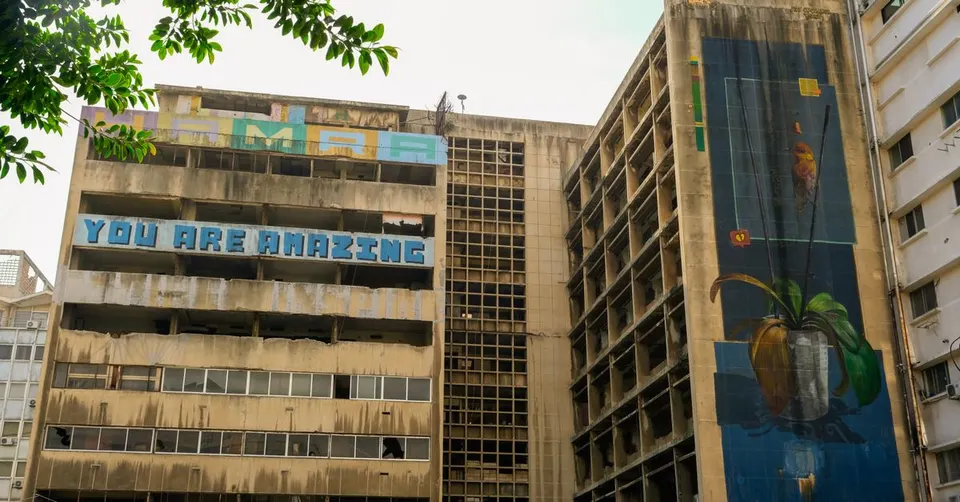
For Iran, the situation in Lebanon is a direct reflection of its own geopolitical overreach. As regional mediators attempt to save existing Memorandums of Understanding (MoUs) amidst threats from the U.S. administration to "decimate" those involved in assassination plots, the risk of a total regional conflagration remains high. The use of civilian infrastructure for shelter in Beirut highlights the lack of safe zones, a factor that keeps the "war premium" on gold and oil prices high, ensuring that even if the Rial stabilizes today, the cost of living in the region will continue to rise as long as the kinetic conflict persists.
Frequently Asked Questions
Why is the Rial gaining value during a period of national mourning?
What is the significance of Mojtaba Khamenei organizing the Mashhad ceremony?
How do strikes on steel facilities affect the average Iranian consumer?
Understanding Political Risk: The Unseen Hand in Economic Volatility
Political risk refers to the potential for political decisions, events, or instability within a country to significantly impact its economic environment, investments, and overall stability. This broad concept encompasses a range of factors, from shifts in government policy and regulatory frameworks to civil unrest, terrorism, or international conflicts. For investors, businesses, and even ordinary citizens, understanding political risk is crucial because it directly influences economic outcomes, market confidence, and the long-term viability of investments.
Leadership transitions, such as the potential succession in Iran, are prime examples of events that introduce substantial political risk. Such moments are often characterized by heightened uncertainty regarding future domestic policies, economic reforms, and geopolitical alignments. This ambiguity can deter foreign direct investment, prompt capital flight, and create an environment where long-term planning becomes exceedingly difficult for businesses, leading to stalled growth and economic stagnation.
Moreover, geopolitical conflicts and external pressures, like a strike on an industrial facility, dramatically escalate political risk. These events can disrupt critical supply chains, damage essential infrastructure, and create an atmosphere of heightened unpredictability. The direct economic costs, coupled with the erosion of investor confidence due to perceived instability, can have profound and lasting negative effects on a nation's productivity and economic outlook.
The impact of perceived political risk often manifests clearly in financial markets. For instance, significant fluctuations in currency exchange rates, such as the USD/IRR price, are common indicators. As confidence in a country's economic stability wanes, investors may sell off local currency assets, leading to depreciation. Conversely, the price of safe-haven assets like gold often rises during periods of political uncertainty, as investors seek to protect their wealth from potential economic turmoil and inflation.
Ultimately, comprehending political risk is not merely an academic exercise; it is a vital tool for navigating complex global and regional dynamics. For policymakers, it informs strategies for maintaining stability and attracting investment. For businesses, it guides decisions on market entry, expansion, and supply chain resilience. And for citizens, it offers insight into the forces shaping their economic well-being and the future trajectory of their nation.