Hormuz Crisis Deepens: IRGC Strikes US Assets as Ghalibaf Declares the End of 'One-Sided' Diplomacy
بحران در هرمز؛ حملات پهپادی سپاه به مواضع آمریکا و اعلام پایان «دیپلماسی یکجانبه» توسط قالیباف
Tensions in the Persian Gulf reach a boiling point as the IRGC targets US logistics in Oman and Qatar, while Iran's chief negotiator warns that the era of one-sided deals is over. Meanwhile, a major political vacuum opens in Washington following the sudden death of Senator Lindsey Graham.
At time of publishing
USD
178,700
Toman
Gold 18K
17.63M
Toman / gram
Bitcoin
$63,846
US Dollar
Tether
178,720
Toman
The End of Patience: IRGC Strikes and Ghalibaf's Warning
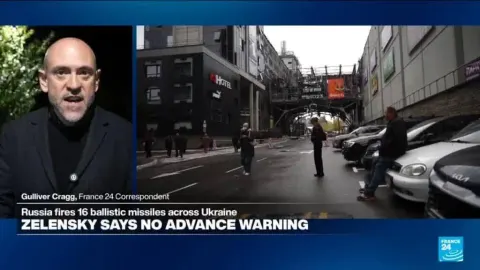
The geopolitical landscape in the Middle East has shifted dramatically this morning as the Islamic Revolution Guards Corps (IRGC) announced a series of retaliatory strikes against U.S.-linked assets. According to state-affiliated media, the IRGC struck a second vessel in the Strait of Hormuz for alleged regulatory violations and targeted U.S. carrier logistics and fueling platforms at the Port of Duqm in Oman. Perhaps more significantly, reports indicate that a U.S. base in Qatar was also within the scope of these operations. These actions represent a sharp escalation from the localized skirmishes seen earlier this week, signaling a broader strategy of multi-point pressure against the American military presence in the region.
Parallel to the military action, Mohammad Bagher Ghalibaf, acting as Iran’s chief negotiator, issued a stern diplomatic warning. He stated that the "era of one-sided deals is over," emphasizing that Tehran will no longer adhere to commitments if other parties fail to honor theirs. This rhetoric suggests that the window for traditional nuclear or security diplomacy is closing, or at the very least, that Tehran is raising the stakes to a level not seen in years. For the average Iranian, this translates to immediate economic anxiety, as the prospect of renewed full-scale sanctions or military conflict looms larger than ever.
The impact on the domestic market has been swift and punishing. The Iranian Toman has felt the weight of this escalation, with the USD sell price rising from 176,000 to 178,700, marking a 1.5% depreciation in just 24 hours. Gold prices followed suit, with 18k gold per gram moving from 17,452,329 to 17,625,467 Toman (+1.0%). Investors are clearly fleeing to hard assets and foreign currency as the "war drum" sentiment overrides any previous hopes for diplomatic stabilization. If the Strait of Hormuz remains a theater of active kinetic engagement, we can expect the 180,000 Toman threshold for the Dollar to be tested before the day is out.
A Power Vacuum in Washington: The Death of Lindsey Graham
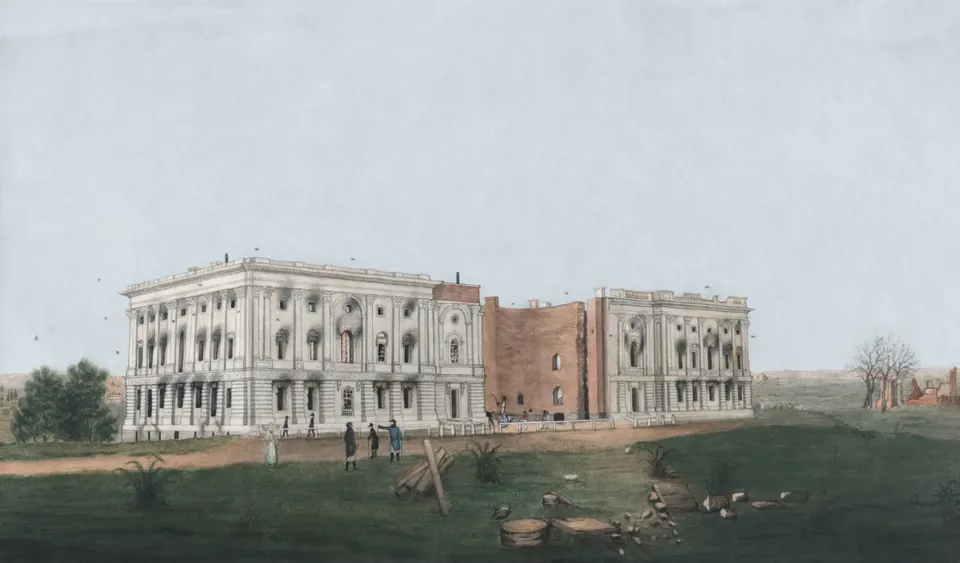
While the Middle East burns, Washington D.C. has been rocked by the sudden death of Senator Lindsey Graham at the age of 71. Graham, a Republican stalwart who served in the Senate since 2003, was a pivotal figure in American foreign policy and a primary architect of the modern GOP's alignment with Donald Trump. His office reported that he passed away following a sudden illness, leaving a massive void in the Senate Foreign Relations Committee and the broader leadership of the Republican party just as the 2026 election cycle begins to heat up.
Graham’s death is particularly significant for the Iran file. He was often seen as the bridge between the traditional neoconservative wing of the party and the more isolationist "America First" movement led by Trump. He was a vocal advocate for maximum pressure on Tehran while simultaneously maintaining back-channel influences on Trump’s executive decisions. Without his stabilizing—or at times, hawkish—influence, the Republican response to the current Hormuz crisis may become more fragmented and unpredictable.
For global markets, the loss of a key legislative leader during a period of international crisis adds another layer of uncertainty. Graham was a predictable entity; his absence means that the U.S. Senate’s ability to pass cohesive foreign policy legislation or provide a unified front against Iranian escalation is temporarily compromised. In the short term, this political instability in the U.S. often leads to a "flight to safety," which ironically may keep the U.S. Dollar strong globally even as its domestic politics remain in turmoil.
The Technical Soul of Bitcoin: The BIP 110 Standoff
In the world of digital finance, a different kind of war is being waged over the future of the Bitcoin network. The BIP 110 proposal, which aims to cap the amount of arbitrary data (such as Ordinals and Inscriptions) that can be placed on the blockchain, is facing a critical deadline with almost zero support from miners. High-profile figures like Michael Saylor and Adam Back have come out strongly against the proposal, arguing that turning a dispute over "spam" into a consensus-level fight is a dangerous precedent that could risk the security and decentralization of the entire network.
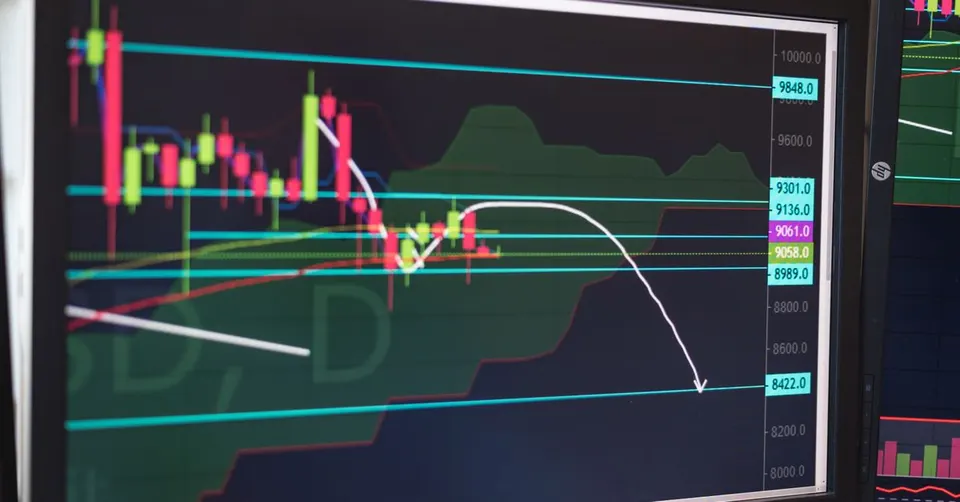
This debate highlights a fundamental philosophical divide in the crypto world: is Bitcoin strictly a monetary network (digital gold), or is it a programmable layer for all types of data? While the price of Bitcoin remains relatively stable around $63,846 despite the U.S. strikes on Iran, the internal governance crisis could have longer-term implications for its valuation. If the network becomes clogged with non-monetary data, transaction fees could skyrocket; however, if the community forces a fork to stop this data, it could damage Bitcoin's reputation as an immutable and censorship-resistant ledger.
For Iranian crypto users, who often rely on Bitcoin as a hedge against Toman inflation, these technical disputes are more than academic. A network fork or a surge in transaction fees directly impacts the cost of moving value across borders. As the Toman continues its slide, the reliability of the Bitcoin network becomes a lifeline. Currently, the market seems to be siding with the status quo, preferring a "cluttered" but stable network over a risky technical overhaul that lacks the backing of the mining community.
Frequently Asked Questions
Why did the IRGC target US logistics in Oman and Qatar?
How has the USD/IRR exchange rate responded to the recent escalation?
What does Lindsey Graham's death mean for US policy toward Iran?
The Strategic Importance of the Strait of Hormuz
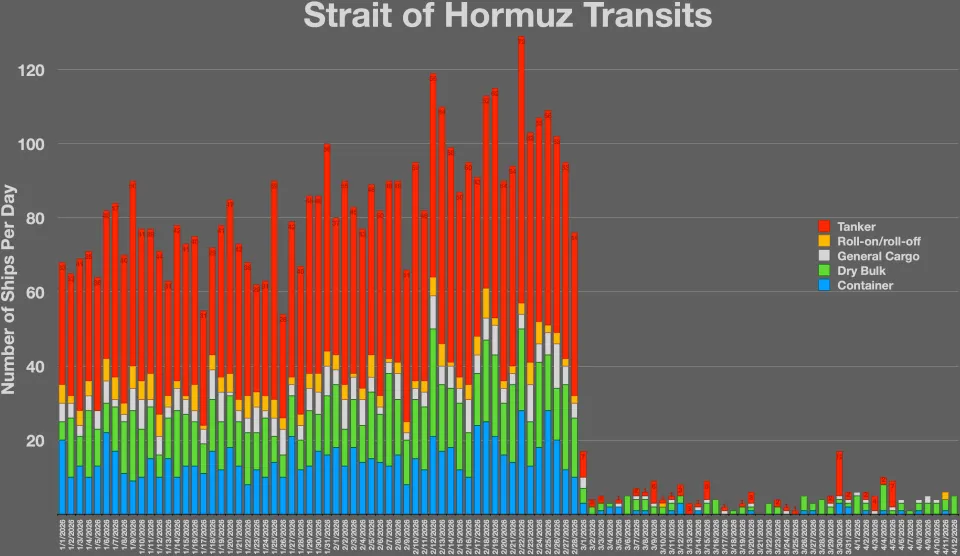
The Strait of Hormuz is one of the world's most critical maritime chokepoints, a narrow waterway connecting the Persian Gulf to the open ocean. At its narrowest point, it is only 21 nautical miles (39 kilometers) wide, yet it serves as the sole sea passage for a significant portion of the world's oil and liquefied natural gas (LNG) exports. Its geographic position makes it indispensable for global energy markets, as tankers carrying crude oil and LNG from major producers like Saudi Arabia, Iran, Iraq, Kuwait, Qatar, and the UAE must pass through it.
The strategic importance of the Strait cannot be overstated. Roughly one-fifth of the world's total petroleum consumption and one-third of the world's LNG trade transit this waterway daily. Any disruption, threat, or military escalation in the Strait of Hormuz immediately sends ripples through the global economy, directly impacting international oil and gas prices. The recent headline referencing "Hormuz Crisis Deepens" and "IRGC Strikes US Assets" highlights the acute sensitivity of this region to geopolitical tensions, demonstrating how local conflicts can have far-reaching global economic consequences.
For Iran, the Strait of Hormuz represents a significant point of leverage. Given its geographic proximity and naval capabilities, Iran has historically asserted its ability to disrupt traffic through the Strait in response to perceived threats or sanctions. This capability transforms the Strait into a flashpoint for international relations, particularly concerning "Iran US military tension." The declaration of an end to "one-sided diplomacy" by figures like Ghalibaf underscores the potential for military posturing and actions that could directly impact the free flow of energy through this vital passage, leading to broader geopolitical instability and economic uncertainty, including currency depreciation like the "Toman depreciation" mentioned in the keywords.