Hormuz Under Fire: US Strikes Follow Iranian Ship Seizure; Toman Slips 1.7% Amid Escalation
تنش در هرمز؛ حملات تلافیجویانه آمریکا و جهش ۱.۷ درصدی دلار در بازار تهران
A volatile overnight session saw the US military launch strikes against targets in Iran after the IRGC allegedly fired on a container ship and declared the Strait of Hormuz closed. Global oil markets are on edge, while the Iranian Toman has already begun to weaken in early Sunday trading.
At time of publishing
USD
179,000
Toman
Gold 18K
17.67M
Toman / gram
Bitcoin
$63,913
US Dollar
Tether
179,810
Toman
Market Open — Toman and Gold Under Pressure
The Tehran market opened this Sunday with a sharp reaction to the overnight military escalations in the Persian Gulf. The US Dollar rose from 176,000 to 179,000 Toman, marking a 1.7% increase in just 24 hours. This jump reflects a sudden surge in demand for hard currency as households and traders move to hedge against geopolitical uncertainty. The Tether (USDT) rate is even higher, trading at 179,810 Toman, suggesting that the pressure on the informal market is unlikely to subside in the coming hours.
Gold and coins have followed suit, driven by both the rising dollar and a historic high in global gold prices, which currently sit at $4,121.40 per ounce. 18-karat gold rose from 17,452,329 to 17,671,637 Toman per gram (+1.3%), while the Emami coin jumped 1.4% to reach 178,500,000 Toman. The market sentiment is clearly one of 'risk-off,' with investors fleeing local assets in favor of gold and stablecoins as the threat of a wider conflict looms over the region.
Escalation in the Strait: Strikes and Counter-Strikes
The most significant global story overnight involves a direct military confrontation in the Strait of Hormuz. The Islamic Revolutionary Guard Corps (IRGC) claimed it struck a Cyprus-flagged container vessel for allegedly using an 'unapproved route' through the waterway. Shortly after, the Iranian government declared the Strait closed—a move that has historically been viewed as a 'red line' by international powers. This declaration was met with immediate force; the US military launched what it described as 'degrading strikes' to neutralize Iran's ability to attack civilian mariners, according to reports from The Guardian and France 24.
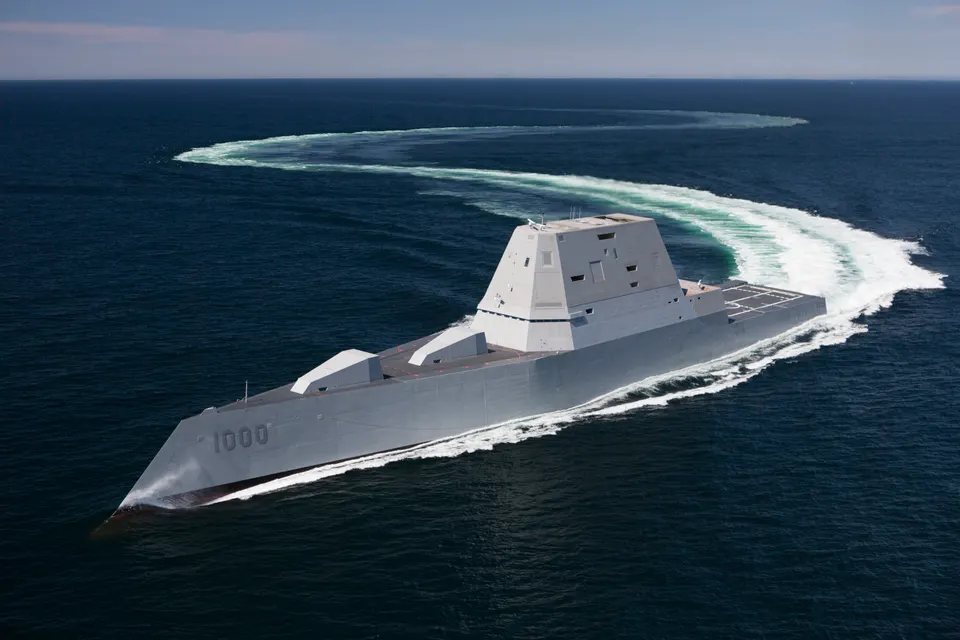
This flare-up represents a dangerous new phase in regional tensions. While Tehran often uses the threat of closing the Strait as a diplomatic lever, the actual firing upon a merchant vessel and the subsequent US kinetic response suggest that the 'shadow war' is moving into the light. Defense ministries in Qatar and the UAE have reportedly been active in intercepting incoming fire, highlighting the multilateral nature of the current crisis. For the global economy, the closure of the Strait—which handles roughly 20% of the world's oil consumption—is a nightmare scenario that could trigger a massive inflationary spike if the blockade persists.
Oil Markets Brace for Volatility
Crude oil prices have already jumped above pre-war levels this week, and analysts are warning that the latest incidents in the Strait of Hormuz will only add fuel to the fire. Iran’s capacity to move energy prices by projecting power in this critical maritime chokepoint is being fully utilized. According to NYT World reports, the market is now pricing in a 'conflict premium' that hadn't been seen in years. The immediate concern is not just the physical flow of oil, but the cost of insurance and shipping for any vessel attempting to navigate the Middle East.

Beyond the immediate price action, there is a deeper structural concern. Global energy markets are entering this phase of military confrontation with a significantly weaker strategic safety net than in previous decades. Strategic reserves in many Western nations are at multi-year lows, meaning there is less 'buffer' to absorb a supply shock. If the Strait remains contested or closed, the world may see a period of extreme price volatility that could force central banks to reconsider their interest rate paths, potentially stalling the global economic recovery.
Tragic Discovery in Queensland
Away from the geopolitical firestorm, a somber story from Australia has dominated international news cycles. Queensland police have charged the former partner of Jana Armstrong with murder after a group of hunters discovered remains in a remote bushland area. Armstrong, a mother of a four-month-old baby, had been missing since Tuesday, sparking a massive search effort in the Toowoomba region.
While the remains have yet to be formally identified, investigators have expressed high confidence that they belong to the missing woman. This case has reignited a national conversation in Australia regarding domestic violence and the safety of women. For our readers, it serves as a reminder that even as global markets and militaries clash, personal and local tragedies continue to shape the social fabric of communities across the globe.