Post-Khamenei Era Begins: Toman Hits 178,300 as Iran Mourns and Markets Brace for Uncertainty
آغاز عصر پساخامنهای؛ جهش دلار به ۱۷۸ هزار تومان در میانه سوگواری و ابهام اقتصادی
As Iran concludes days of funeral ceremonies for the late Supreme Leader, the Toman has climbed to 178,300 amid heightening regional tensions. Meanwhile, European politics and extreme weather events dominate the global stage.
At time of publishing
USD
178,300
Toman
Gold 18K
17.64M
Toman / gram
Bitcoin
$63,898
US Dollar
Tether
178,780
Toman
The End of an Era and the Market's Reaction
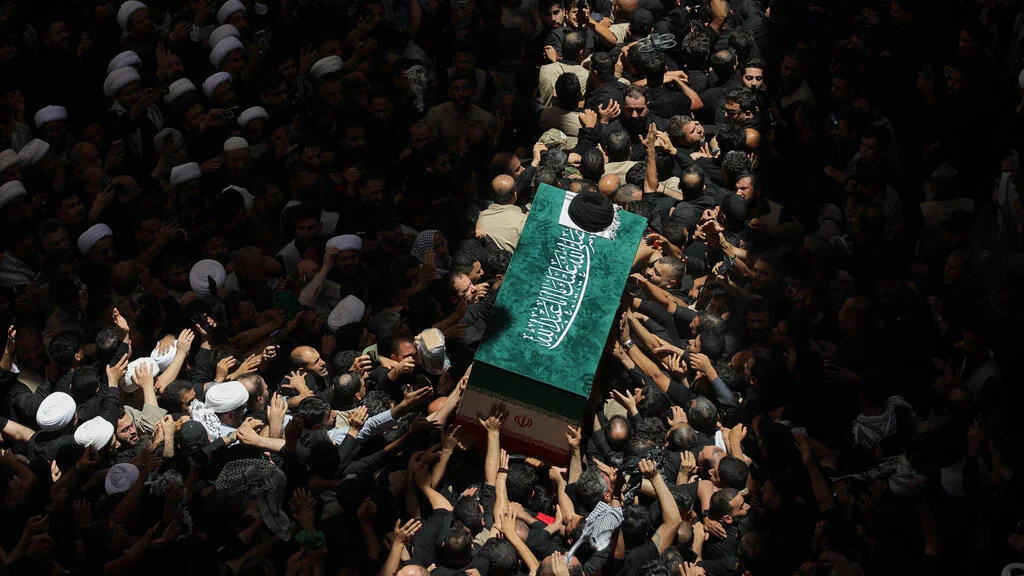
The week has been defined by the somber and massive funeral processions for Ayatollah Ali Khamenei, an event that has effectively frozen domestic politics while heating up the currency markets. As millions gathered to mark the end of a long era in Iranian history, the economic reality of the transition began to set in. The USD/IRR rate moved from 176,000 to 178,300, a 1.3% increase in just 24 hours. This shift reflects a significant "risk premium" being baked into the Toman by traders who fear that the leadership vacuum, however temporary, could invite further regional instability or internal friction during the succession process.
Beyond the mourning, the market is reacting to the physical closure of the Strait of Hormuz, which was reported following intense US-Iran missile exchanges. While the religious ceremonies dominate the headlines, the underlying economic anxiety is palpable. Gold prices have mirrored the dollar's ascent, with the Emami coin rising 1.4% to reach 178,500,000 Toman. For the average Iranian, the spectacle of the funeral is inextricably linked to the rising cost of living, as the "uncertainty tax" on the currency shows no signs of abating until a clear political path forward is established.
Geopolitical Tensions and the Widdecombe Investigation
In the United Kingdom, a major criminal investigation into the death of former Conservative MP Ann Widdecombe has taken a new turn, capturing international attention. Police confirmed a second arrest, a 26-year-old man, following the release of an earlier suspect. Despite the high-profile nature of the victim and her historical political influence, detectives have stated there is currently "nothing to suggest" the killing was politically motivated. This clarification has slightly lowered the temperature in British political circles, which had been bracing for a potential wave of extremist violence or civil unrest.
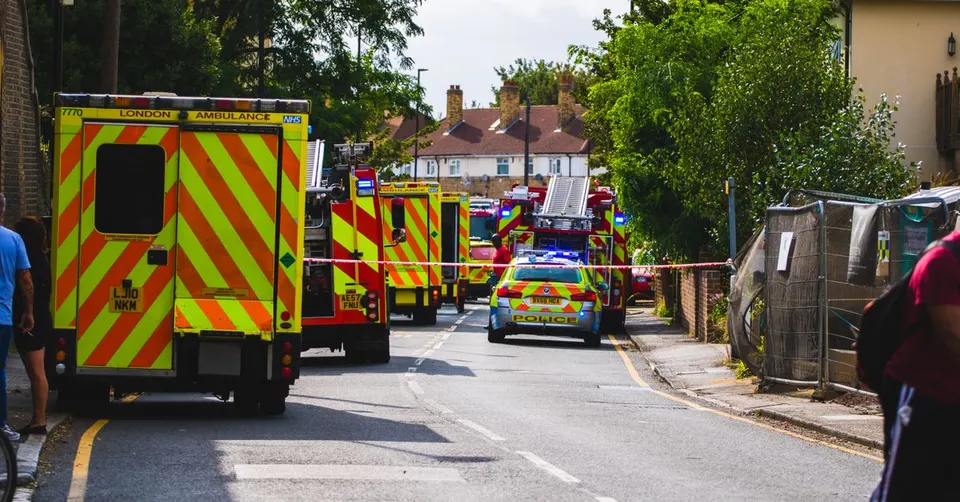
The incident highlights the ongoing security challenges for public figures in Europe, even as the focus remains on the broader geopolitical shifts in France and the Middle East. While the Widdecombe case appears to be a criminal matter rather than a coordinated attack, it adds to a sense of global volatility. For international observers and markets, these localized shocks contribute to a general "instability index" that keeps safe-haven assets like gold—currently trading at an elevated $4,121.40 per ounce—at historic highs. Investors are increasingly wary of any news that could signal a breakdown in social order in Western capitals.
Climate Crisis and the European Heatwave
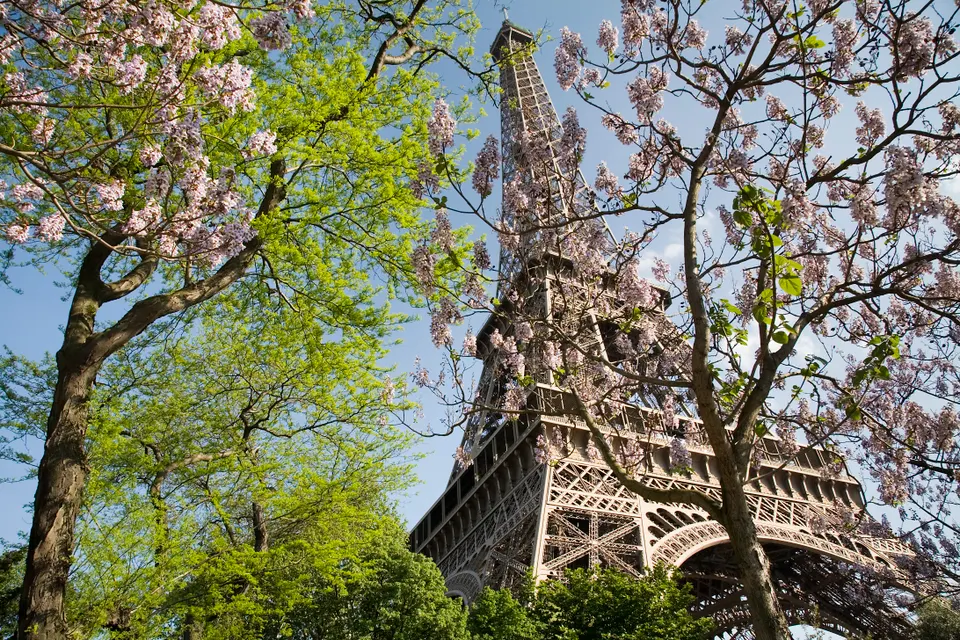
Western Europe is currently battling a dual crisis of political upheaval and extreme weather. In Paris, the Eiffel Tower was forced to close early as a third heatwave since May gripped the French capital. This rare operational halt underscores the increasing impact of climate change on European infrastructure and tourism revenue. Simultaneously, in southern Spain, British tourists were rescued from ravines with severe burns as wildfires raged through Almeria, illustrating the deadly intersection of the summer holiday season and environmental catastrophe. These events are no longer outliers; they are becoming the seasonal norm for the continent.
These events serve as a reminder that while geopolitical tensions in the Middle East drive oil and currency prices, the long-term economic threat of climate volatility is becoming a daily reality for the West. For Iranian readers, these stories provide context for the global "unrest" that indirectly influences trade routes and international aid priorities. As Europe focuses inward on its own environmental and social stability, its capacity to mediate Middle Eastern conflicts may be further diminished, leaving a vacuum that other global powers may seek to fill. This environmental strain on the EU's economy also impacts its trade relations and foreign policy appetite.
Markets and Crypto: Resilience Amid Chaos
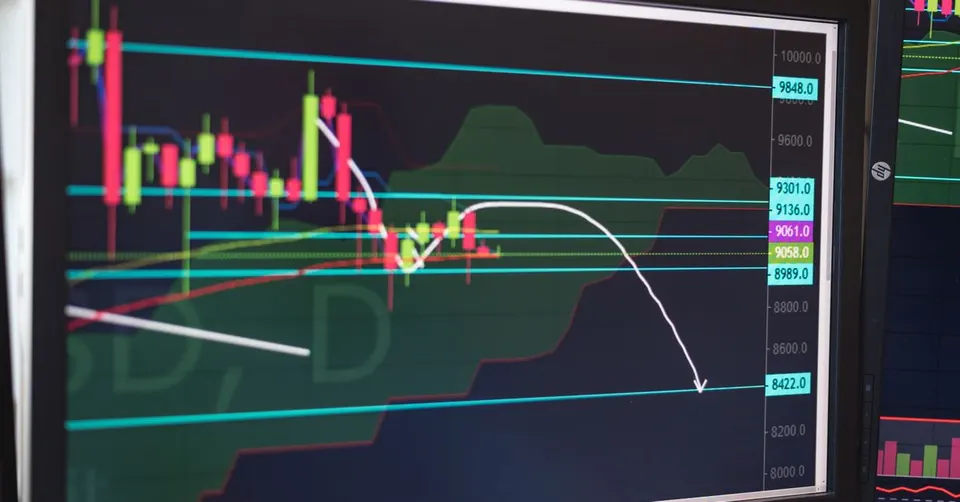
In the digital asset space, Bitcoin is showing remarkable resilience, holding steady around $63,898 despite the chaos in the Persian Gulf and the closure of vital shipping lanes. Fidelity analysts have noted that BTC is approaching a "power law support line" that has held since 2015, suggesting that the current price level may be an accumulation zone for long-term investors. However, the lack of a clear bullish catalyst—combined with the distraction of the US-Iran military escalation—has kept the market in a sideways grind, frustrating those looking for a rapid breakout.
The local crypto market in Iran remains highly active as a primary hedge against the Toman's depreciation. Tether (USDT) is trading at 178,780 Toman, maintaining its usual premium over the physical greenback due to its ease of transfer and liquidity. With Ethereum (ETH) hovering at $1,800.16, the broader crypto market is largely in a "wait and see" mode. Market participants are watching to see if the regional conflict will escalate into a full-scale energy crisis—which could paradoxically drive more capital into decentralized assets—or if a diplomatic off-ramp will emerge following the conclusion of the funeral ceremonies in Tehran.
Frequently Asked Questions
Why is the Toman depreciating during the national mourning period?
Is the murder of Ann Widdecombe expected to cause political instability in the UK?
How is the European heatwave affecting global markets?
Understanding Political Risk and its Market Impact
The news of a significant political transition, such as the one described in Iran, often sends ripples through financial markets, most notably impacting a nation's currency. This phenomenon is best understood through the lens of Political Risk. Political risk refers to the potential for political decisions, events, or instability within a country to negatively affect the value of investments, economic stability, and the overall business environment. It encompasses a broad spectrum of uncertainties, from changes in government leadership and policy shifts to social unrest, geopolitical tensions, and even armed conflict.
When a country faces a period of political transition, as suggested by the "Post-Khamenei Era Begins" headline, investors and citizens alike become wary. This uncertainty can manifest in various forms: concerns about the continuity of economic policies, the potential for new sanctions, or even the stability of the state itself. Such anxieties often lead to capital flight, where both domestic and foreign investors withdraw their money from the country, seeking safer havens elsewhere. This outflow of capital directly reduces demand for the local currency, contributing significantly to its depreciation, as seen with the Toman's reported drop.
The economic consequences of heightened political risk extend beyond currency depreciation. Stock markets often experience increased volatility or declines as corporate earnings and future prospects become less predictable. Foreign direct investment (FDI) can dry up, stifling economic growth and job creation. Furthermore, geopolitical dimensions, like potential disruptions to critical trade routes such as the Strait of Hormuz, can amplify global economic uncertainty, impacting commodity prices and international trade. Understanding political risk is crucial for anyone trying to navigate or interpret market reactions to significant political developments.