Lindsey Graham’s Sudden Death and the Hormuz Standoff: Toman Hits 178,400 Amid Geopolitical Vacuum
مرگ ناگهانی لیندزی گراهام و بنبست هرمز: صعود دلار به ۱۷۸,۴۰۰ تومان در خلاء ژئوپلیتیک
The sudden passing of hawkish US Senator Lindsey Graham has sent shockwaves through Washington, while a narrative war erupts over the Strait of Hormuz. As Trump claims the waterway is open, Iranian authorities and tracking data suggest a near-total standstill, pushing the Toman down 1.4%.
At time of publishing
USD
178,400
Toman
Gold 18K
17.60M
Toman / gram
Bitcoin
$63,958
US Dollar
Tether
179,087
Toman
The Passing of a Hawk: Lindsey Graham’s Legacy and the US-Iran Pivot
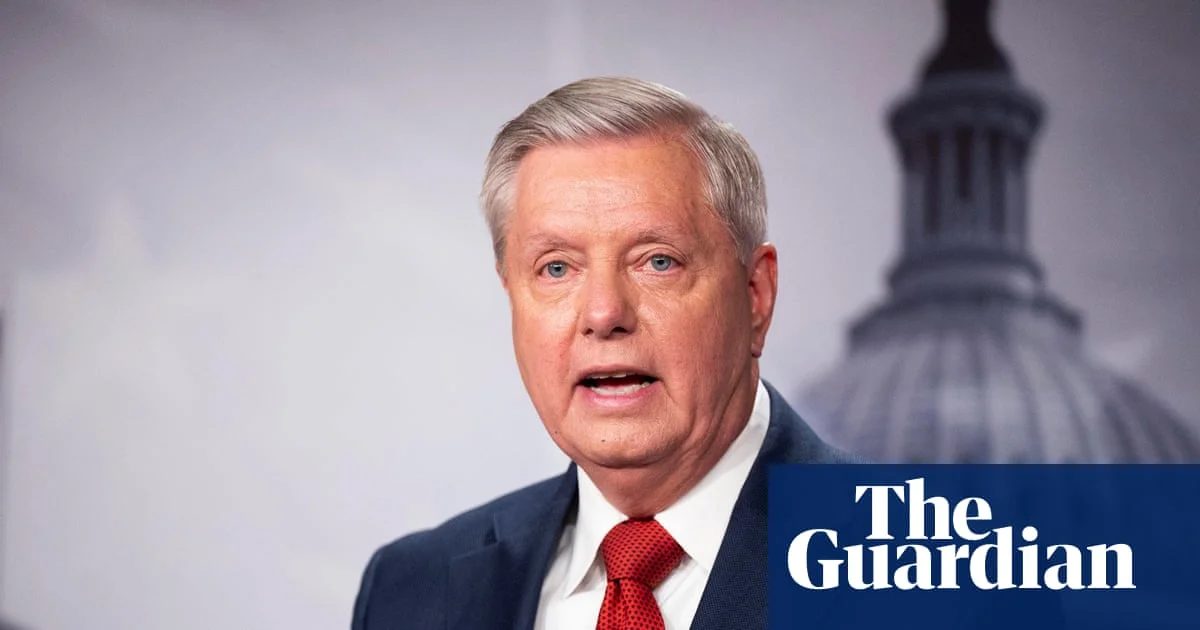
Washington woke up to the unexpected news of the death of Republican Senator Lindsey Graham at age 71. Graham, a towering figure in the Senate for decades, was a primary architect of the stridently hawkish US policy toward Iran and a key ally to both Donald Trump and foreign leaders like Benjamin Netanyahu and Volodymyr Zelenskyy. Trump, in a social media tribute, called him a "true American patriot," while Zelenskyy expressed deep sadness over the loss of a vocal advocate for Ukrainian defense. Graham’s sudden departure creates a significant vacuum in the GOP’s foreign policy leadership, particularly within the Senate’s influential committees where he often led the charge for increased sanctions and military readiness.
For the Iranian political landscape, Graham’s death marks the exit of one of the most consistent proponents of the "Maximum Pressure" campaign. While the institutional machinery of US sanctions remains in place, Graham’s personal ability to bridge the gap between traditional conservatives and the MAGA movement was unique. His role in shaping the current US Supreme Court also ensures his domestic legacy will persist for generations. Under South Carolina law, Governor Henry McMaster will appoint a temporary replacement, but the loss of Graham’s specific brand of interventionist diplomacy may shift the tone of congressional debates regarding the Middle East in the coming months.
Hormuz Gaslighting: Trump Claims Open Passage While Ships Stand Still
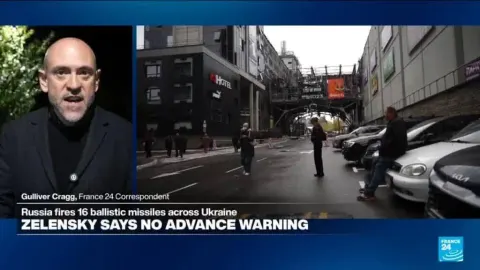
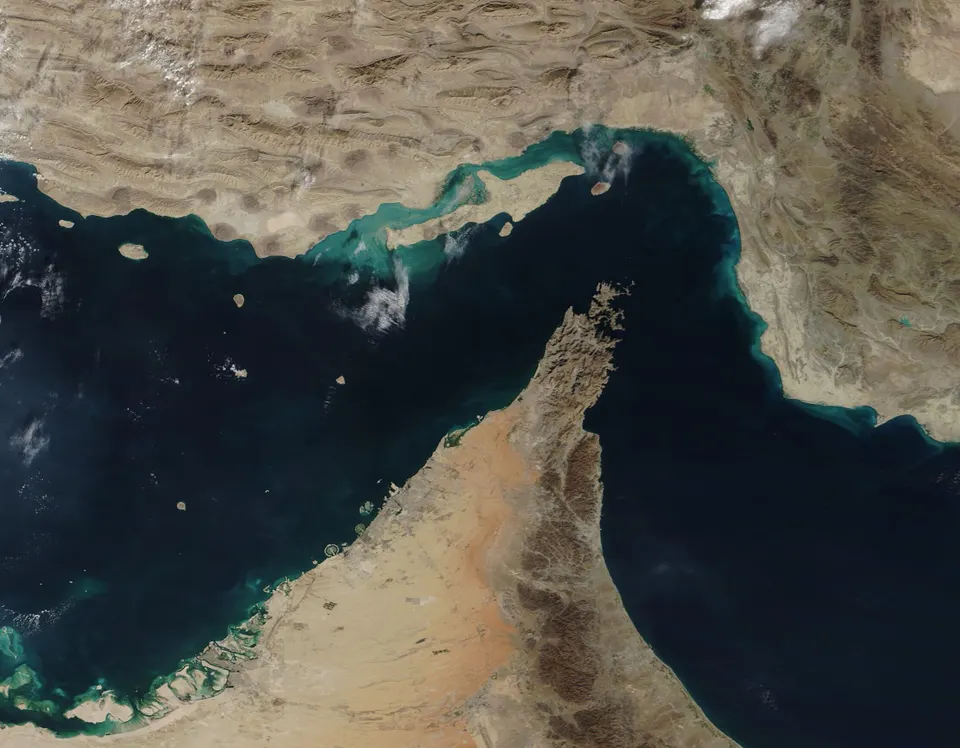
A sharp disconnect has emerged between official rhetoric and maritime reality in the Strait of Hormuz. President Donald Trump has publicly declared that the vital waterway remains open to commercial traffic, even suggesting that a diplomatic solution is still on the table despite intensifying regional attacks. However, this claim is directly contradicted by the Persian Gulf Strait Authority (PGSA), which stated via state-affiliated media that transit is currently "not possible" due to what they termed illegal US military activities. The PGSA’s stance effectively signals a de facto closure, regardless of Washington's insistence that the lanes are secure.
This geopolitical tug-of-war is having an immediate and measurable impact on the Iranian markets. In the last 24 hours, the USD/IRR rate moved from 176,000 to 178,400, a 1.4% increase that reflects the high risk premium being priced in by local traders. Bloomberg reports indicate that almost no visible traffic is moving through the strait, with only two tankers spotted near the entrance. This stagnation in the world’s most important oil chokepoint is driving up the cost of hedging, with Emami gold coins rising from 176,000,000 to 178,000,000 Toman (+1.1%) as investors flee to safe-haven assets.
Earnings Paradox: Why Global Markets Are Defying the Usual Gravity
While regional tensions dominate the headlines, global financial markets are witnessing an unusual trend in corporate earnings estimates. Historically, analysts tend to lower their profit expectations in the months leading up to quarterly reports. However, according to recent data, estimates for the second quarter have actually climbed. This anomaly is largely driven by the energy and technology sectors, which continue to show resilience despite high interest rates and global instability. For the Iranian investor, this suggests that the global floor for commodity prices and tech-driven assets remains high, providing a counter-narrative to the local currency's volatility.
The divergence between rising global earnings expectations and local geopolitical chaos creates a complex environment for capital allocation. While the Toman slides and gold 18k/gram rose 0.9% to reach 17,602,382 Toman, the broader strength in global equity markets indicates that international risk appetite hasn't entirely collapsed. However, for those within the Iranian economy, the immediate concern remains the physical security of trade routes and the potential for further military escalation, which often outweighs the optimistic signals coming from Wall Street or the tech hubs of Silicon Valley.
Frequently Asked Questions
How will Lindsey Graham's death impact US sanctions on Iran?
Is the Strait of Hormuz officially closed as of July 12, 2026?
Why is the Toman falling if global earnings are reportedly strong?
Geopolitical Risk and Currency Depreciation
Geopolitical risk refers to the potential for political instability, conflicts, or other international events to disrupt global stability and economic activity. These risks are not confined to a single region; they can have far-reaching ripple effects across the world. Factors such as shifts in leadership, changes in foreign policy, or disputes over strategically important regions can all contribute to a heightened sense of uncertainty in the global arena, influencing everything from trade routes to investment decisions.
The primary mechanism through which geopolitical risk impacts a nation's currency is by influencing investor confidence and capital flows. When geopolitical tensions escalate, investors tend to seek "safe-haven" assets, such as the U.S. dollar, gold, or stable government bonds, leading to capital flight from economies perceived as more volatile or exposed to risk. This increased demand for safe havens, coupled with a decrease in foreign direct investment in the affected region, results in a weakening of local currencies. Essentially, as investors sell off assets denominated in the local currency to purchase more stable alternatives, the supply of the local currency increases relative to demand, driving down its value.
The potential closure of the Strait of Hormuz, a critical chokepoint for a significant portion of the world's oil shipments, serves as a potent example of a severe geopolitical risk. Such an event would not only cause massive disruptions in global energy markets but also trigger immense uncertainty across financial markets. For nations heavily reliant on this trade route or those perceived as politically unstable (like Iran, whose currency, the Toman, is mentioned in the headline), the threat or actualization of such a closure would likely lead to sharp currency depreciation. Furthermore, a "geopolitical vacuum" created by sudden leadership changes can exacerbate this by introducing unpredictability into policy-making and overall stability, further unnerving investors.
Beyond direct currency effects, sustained geopolitical risk can have broader economic implications. It can deter long-term foreign direct investment, increase borrowing costs for governments and businesses dueposing higher interest rates, and fuel inflation as imported goods become more expensive due to a weaker local currency. This creates a challenging economic environment, impacting everything from consumer purchasing power and domestic employment to global earnings estimates, as the pervasive uncertainty makes future economic planning and growth projections difficult for businesses worldwide.