Trump Challenges Iran’s Hormuz Closure as Toman Hits 178,400; Australia Ditches Paper Arrival Cards
چالش ترامپ با ادعای انسداد تنگه هرمز همزمان با صعود دلار به ۱۷۸,۴۰۰ تومان؛ حذف کارتهای ورود کاغذی در استرالیا
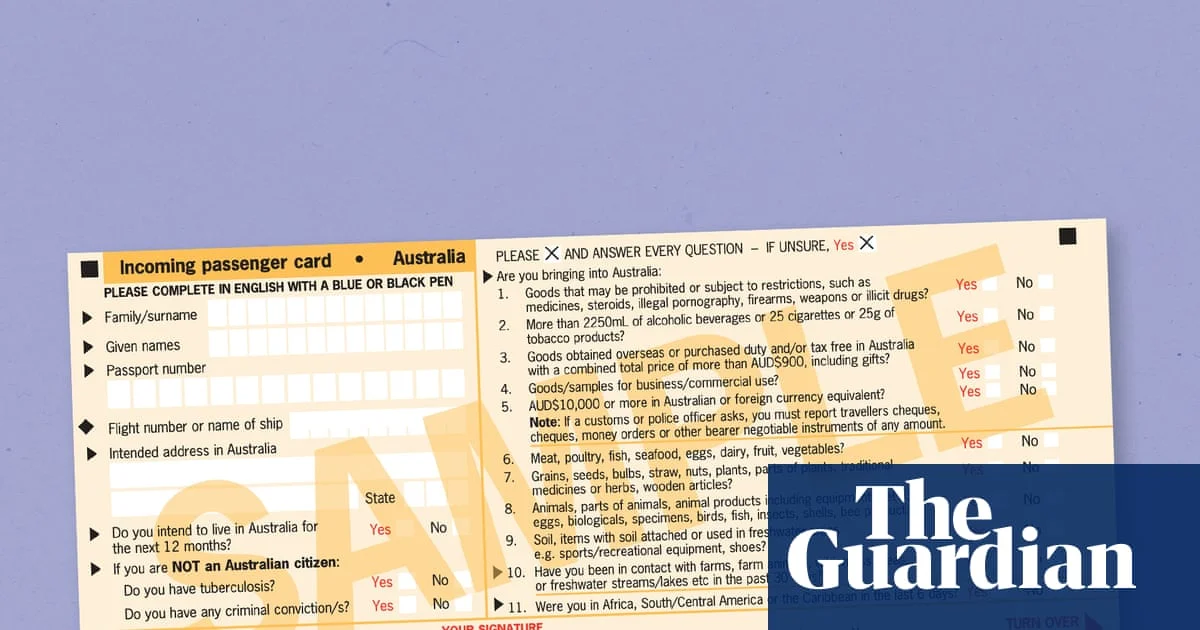
The Australian government transitions to digital customs declarations, ending the era of paper arrival cards for millions of travelers. Meanwhile, geopolitical tension spikes as Donald Trump claims the Strait of Hormuz remains open despite Iranian claims of closure, driving the Toman up by 1.4%.
At time of publishing
USD
178,400
Toman
Gold 18K
17.60M
Toman / gram
Bitcoin
$64,151
US Dollar
Tether
178,600
Toman
Australia’s Digital Border: The End of the Paper Era
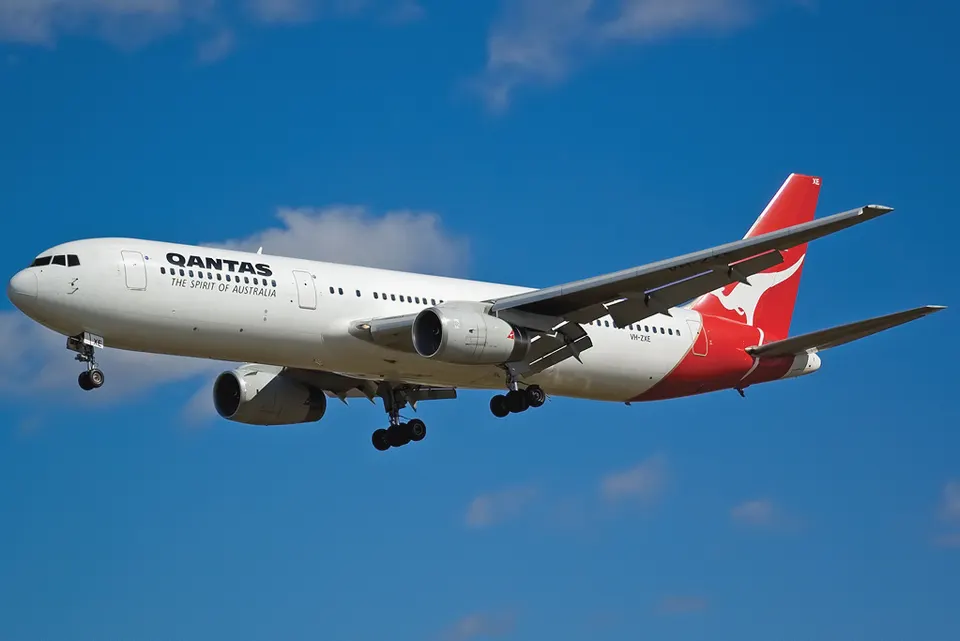
The Albanese government has officially announced a major shift in Australia’s border policy, confirming that paper arrival cards will be phased out in favor of a digital passenger declaration system. This move follows a successful trial conducted on Qantas flights into major hubs like Brisbane, Sydney, and Melbourne. For decades, the yellow paper card has been a staple of the international travel experience to Australia, but the transition to a digital format aims to streamline customs and reduce the administrative burden on both travelers and border security officials. This modernization effort is part of a broader push to digitize government services, though it comes at a time when the administration is facing scrutiny over other domestic social issues.
While the digital transition is being hailed as a win for efficiency, it stands in sharp contrast to recent scandals involving the country’s treatment of its most vulnerable citizens. Reports have emerged that aged care facilities in Australia, such as the one housing a resident named Dorothy, have been charging elderly individuals for services they cannot use or understand—including wine, newspapers, and premium television packages. This juxtaposition of high-tech border efficiency and systemic failures in social care highlights the complex domestic landscape the Albanese government must navigate as it seeks to project a modern image to the world.
The Hormuz Standoff: Trump vs. Tehran
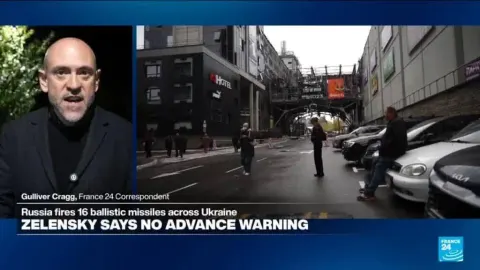
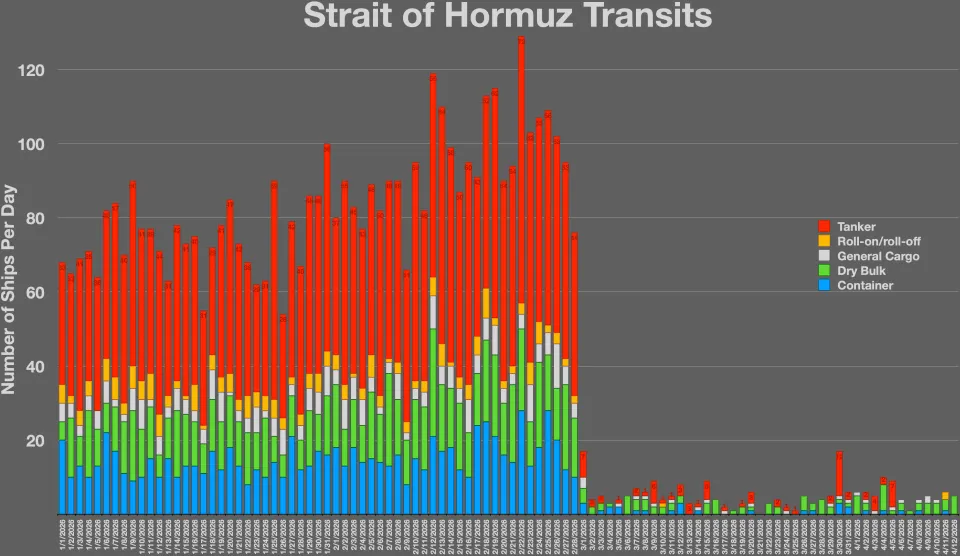
Geopolitical tensions in the Middle East have reached a fever pitch as Donald Trump publicly challenged Iranian claims regarding the Strait of Hormuz. While Tehran recently announced the closure of the vital waterway to commercial traffic, Trump declared the ceasefire over but insisted that the strait remains open to shipping. However, real-time data suggests a different reality on the water. According to Bloomberg reports, there has been almost no visible traffic in the strait today, with only two oil product tankers spotted approaching the narrow passage. This discrepancy between political rhetoric and maritime reality has created a "fog of war" that is directly impacting global energy markets and regional currency stability.
For the Iranian economy, this uncertainty has translated into immediate market volatility. The USD sell rate in Tehran moved from 176,000 to 178,400 Toman, marking a 1.4% increase within the last 24 hours. Similarly, the price of 18k gold rose from 17,452,329 to 17,604,690 Toman (+0.9%), and the Emami coin climbed from 176,000,000 to 178,000,000 Toman (+1.1%). Investors are clearly pricing in the risk of a prolonged blockade, regardless of Trump’s assertions. The market's reaction suggests that traders are placing more weight on the physical absence of tankers than on diplomatic statements from Washington or Tehran.
Zelensky’s Strategic Shuffle and Global Industrial Health
In Eastern Europe, President Volodymyr Zelensky has announced a significant leadership shuffle as the war in Ukraine appears to be turning in Kyiv's favor. The most notable change is the stepping down of Prime Minister Yuliia Svyrydenko, part of a broader shake-up intended to revitalize the administration for the next phase of the conflict. This move is seen by analysts as a tactical pivot to ensure that the government can maintain its momentum as it regains territory. The stability of the Ukrainian leadership remains a key factor for global markets, particularly concerning agricultural exports and European energy security.
Meanwhile, in the industrial sector, investors are closely watching the performance of giants like Caterpillar and Oshkosh. As the U.S. earnings season kicks off, these stocks are being viewed as barometers for global infrastructure demand and military spending. With five major U.S. banks also reporting earnings today—including Citigroup, which is under intense scrutiny for its performance targets—the markets are navigating a sea of conflicting signals. For Iranian observers, the health of these global industrials is a secondary but vital indicator of the broader economic environment, influencing everything from the price of gold to the long-term outlook for global inflation and commodity prices.

Frequently Asked Questions
Why is the Toman depreciating despite Trump's claim that Hormuz is open?
What does Australia's digital arrival card mean for Iranian travelers?
How does Zelensky's leadership shuffle affect global markets?
Geopolitical Risk and Currency Depreciation
The news headline highlights a critical interplay between geopolitical tensions, such as threats to vital shipping lanes like the Strait of Hormuz, and the stability of a nation's currency, exemplified by the Iranian Toman's depreciation. Geopolitical risk refers to the potential for political events, conflicts, or instability in one region to disrupt global markets and economies. When such risks escalate, they often trigger a ripple effect, impacting everything from oil prices to investor confidence and, ultimately, the value of national currencies.
At its core, geopolitical risk undermines investor confidence. Concerns over potential conflicts, trade disruptions, or the imposition of international sanctions lead investors to pull capital out of perceived "risky" economies and move it into safer assets, a phenomenon known as capital flight. This outflow of foreign currency reduces the supply of foreign exchange within the affected country, while the demand for foreign currency (to move funds abroad or pay for imports) remains high or even increases. This imbalance directly pressures the local currency, causing it to depreciate against major international currencies like the U.S. dollar.
In the context of Iran, the Toman's significant depreciation is heavily influenced by a combination of geopolitical factors and international sanctions. Threats to strategic choke points like the Strait of Hormuz, through which a substantial portion of the world's oil transits, create global uncertainty and directly impact Iran's ability to export its primary commodity. Furthermore, sanctions, often imposed in response to geopolitical policies, severely restrict Iran's access to international banking systems and its capacity to sell oil, thereby drastically cutting its foreign currency earnings.
The reduced flow of foreign currency into Iran, coupled with persistent domestic demand for imports and a desire by citizens to preserve wealth against inflation, creates immense downward pressure on the Toman. This depreciation, in turn, fuels inflation, as imported goods become more expensive, eroding the purchasing power of ordinary citizens and exacerbating economic hardship. Understanding this dynamic is crucial for comprehending how international politics can directly shape the daily economic realities within a nation.