Trump Rejects Hormuz Shutdown as US Strikes 140 Targets; Toman Surges 1.7% Amid Escalation
رد ادعای بستن تنگه هرمز توسط ترامپ و حمله به ۱۴۰ هدف در ایران؛ دلار به ۱۷۹ هزار تومان رسید
Donald Trump has dismissed Iranian claims of closing the Strait of Hormuz as US forces strike over 140 targets. The military escalation has triggered a 1.7% jump in the USD/IRR rate, reflecting deep market anxiety.
At time of publishing
USD
179,000
Toman
Gold 18K
17.66M
Toman / gram
Bitcoin
$64,033
US Dollar
Tether
179,839
Toman
Trump Rejects Hormuz Closure as US Launches Massive Strikes
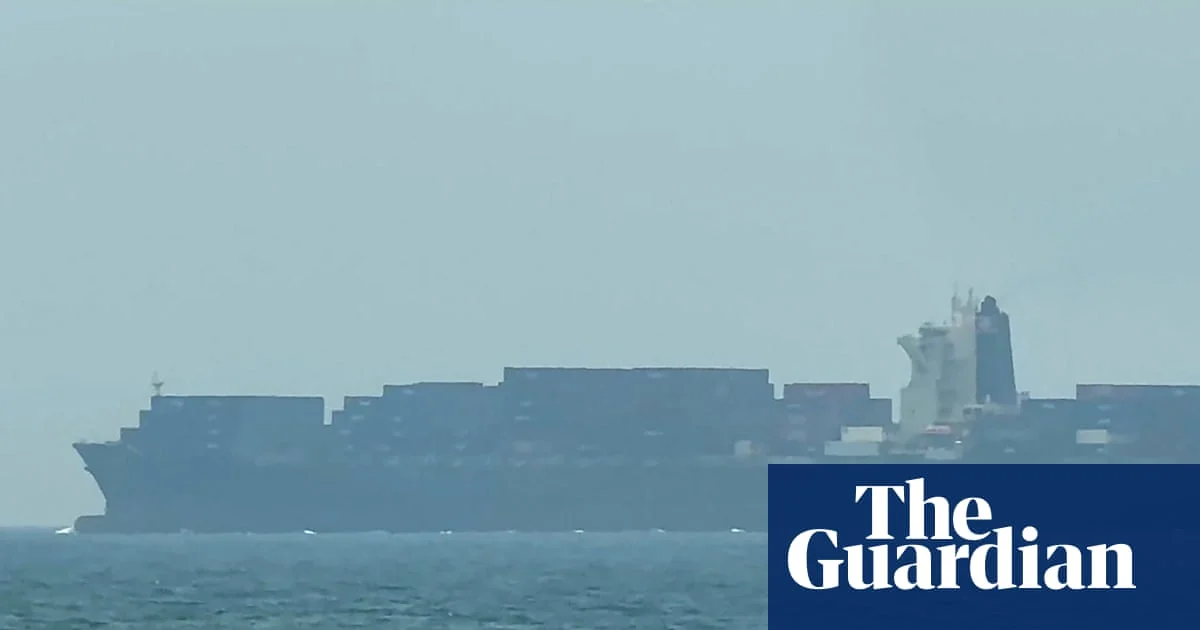
Donald Trump has officially rejected Iranian claims that the Strait of Hormuz has been closed, a statement that comes as a fragile ceasefire agreed upon just last month teeters on the edge of total collapse. US Central Command (CENTCOM) reported a massive retaliatory operation, striking over 140 targets across Iran on Sunday, including missile sites, drone facilities, naval depots, and communication networks. This escalation follows an Iranian strike that disabled a container ship in the waterway, which Tehran claimed was unauthorized to transit. The US response signals a move away from diplomatic restraint toward a policy of direct military deterrence in the world's most critical oil chokepoint.
The situation marks a significant deterioration in regional security, as the "tit-for-tat" nature of the conflict evolves into large-scale military engagements. For the global energy market, the Strait remains the vital artery for oil flow, and the "battle for control" mentioned by US officials suggests that the period of low-intensity friction has ended. This shift toward open confrontation is forcing international shipping companies to reconsider routes and insurance premiums, further straining global supply chains already under pressure from years of geopolitical volatility.
Market Panic: Toman and Gold Surge on War News
The immediate fallout of these strikes has manifested in the Tehran markets, where the Toman has experienced sharp depreciation within hours of the news. The USD sell rate rose from 176,000 to 179,000, a 1.7% increase in just 24 hours. This move reflects the heavy "war premium" being priced into the currency as traders and citizens anticipate further sanctions or a prolonged blockade of the Strait. Gold has followed a similar trajectory, with 18k gold per gram rising from 17,452,329 to 17,660,095 (+1.2%), and the Emami coin climbing to 178,000,000 (+1.1%).
For the average Iranian citizen, this volatility is more than just a number on a trading screen; it represents a direct hit to purchasing power and a surge in the cost of living. As long as the military standoff in the Persian Gulf continues, the flight to safe-haven assets like gold and US dollars is expected to intensify. The market is currently operating in a state of high alert, with liquidity tightening as sellers hold onto hard currency in anticipation of even higher rates should the conflict escalate into a full-scale regional war.
The Evolution of Warfare: Tanks vs. Drones
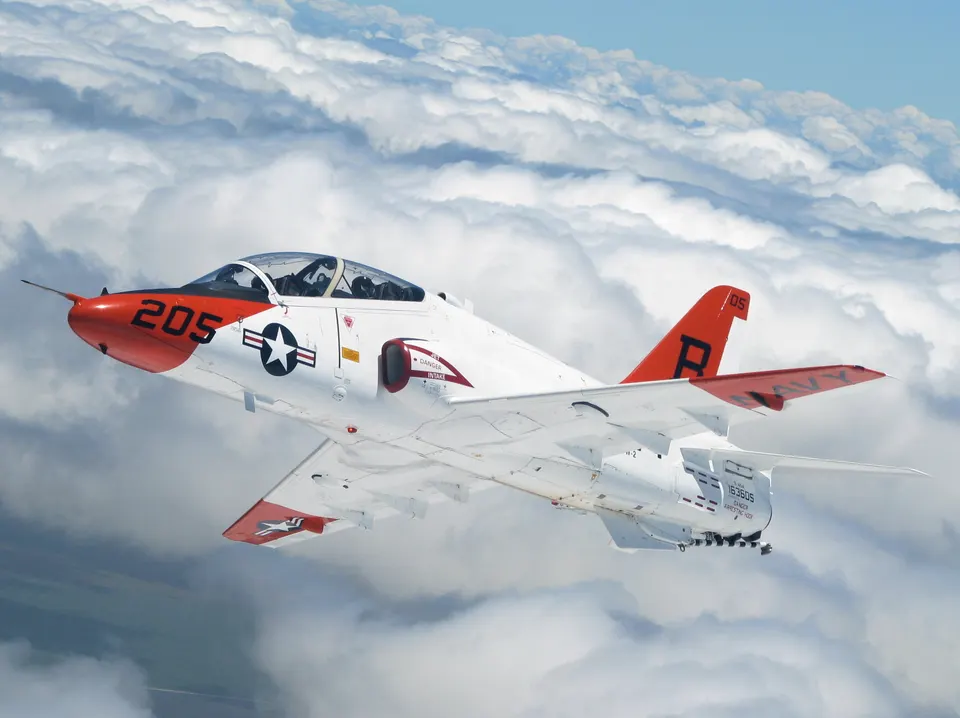
Beyond the immediate conflict, a broader debate is emerging regarding the future of conventional military hardware, sparked by the efficacy of drone strikes in recent engagements. Military analysts are questioning whether traditional tanks are becoming as obsolete as the cavalry was in World War I. The rapid integration of AI-guided drones and precision-guided munitions has fundamentally changed the face of conflict in Ukraine and the Middle East, making large, expensive armored units vulnerable to relatively cheap, high-tech alternatives. This technological shift is causing significant headaches for governments worldwide as they decide where to allocate defense budgets.
This "revolution in military affairs" means that future conflicts will likely be won or lost in the digital and autonomous spheres. If a $10 million tank can be disabled by a $50,000 drone, the economic and strategic logic of traditional warfare collapses. This reality is currently being tested in real-time in the skies over the Strait of Hormuz, where unmanned systems are playing a primary role in surveillance and tactical strikes, rendering traditional naval and ground-based maneuvers increasingly risky and outdated.
---
Taliban Tightens Grip on Cosmopolitan Herat
To the east, the Taliban is intensifying its campaign to bring the city of Herat under stricter ideological control. Once known as a cosmopolitan outpost with relatively loose social norms compared to the rest of Afghanistan, Herat is now facing a targeted crackdown by the central leadership in Kabul. This move signifies the Taliban leader's desire to eliminate any remaining pockets of cultural resistance and exert a uniform, hardline rule across the entire country, regardless of the city's historical openness.
The tightening grip on Herat has implications for regional stability and potential migration patterns. As the city’s intellectual and merchant classes find their freedoms increasingly curtailed, the likelihood of a new wave of displacement toward the Iranian border increases. This adds another layer of complexity for Tehran, which is already dealing with a domestic economic crisis and a military confrontation with the West, making its eastern border another potential flashpoint for humanitarian and security concerns.
Frequently Asked Questions
Why did the USD/IRR rate jump by 1.7% so quickly?
Is the Strait of Hormuz actually closed?
How is the nature of the Iran-US conflict changing technologically?
Why the Strait of Hormuz Matters: A Chokepoint That Shapes Global Energy Prices
The Strait of Hormuz, a narrow waterway between Iran and Oman, is one of the world’s most critical maritime chokepoints. Roughly 20% of global petroleum—about 21 million barrels per day—passes through this 21‑kilometer‑wide channel, making it a vital artery for oil‑dependent economies. Because the strait links the Persian Gulf’s massive oil fields with the open ocean, any disruption—whether from a military closure, a mining accident, or a geopolitical threat—has an almost immediate impact on oil supply and, consequently, on global oil prices.
When a nation threatens to close the strait, markets react sharply. Traders price in the risk of supply shortages, causing oil futures to spike and prompting currency devaluations in oil‑importing countries. Iran’s repeated warnings in 2024‑2026 to shut the strait in retaliation to U.S. strikes exemplify how geopolitical tension can translate into rapid price movements for crude, gasoline, and even precious metals like gold, which investors often buy as a hedge against oil‑driven inflation.
The strategic importance of the Hormuz corridor also shapes regional security calculations. The United States maintains a naval presence there, routinely escorting commercial vessels and conducting freedom‑of‑navigation operations. Meanwhile, Iran has invested heavily in asymmetric capabilities—fast attack craft, anti‑ship missiles, and increasingly, drone swarms—to threaten passage without conventional naval power. This asymmetry means that even a small-scale conflict could force ships to reroute around the longer, costlier Cape of Good Hope, amplifying the economic shock.
For countries like Iran, the strait’s closure is a double‑edged sword. While it can be used as leverage against adversaries, it also harms Iran’s own export revenues and can accelerate the depreciation of its currency, the toman, as oil earnings dwindle. Understanding the Hormuz chokepoint thus provides insight into why currency markets, commodity prices, and geopolitical news are tightly interwoven in this region.