Trump Dismisses Hormuz Closure as US Hits 140 Targets; Toman Climbs to 178,900 Amid Regional Heat
ترامپ ادعای بستن تنگه هرمز را رد کرد؛ همزمان با حملات سنگین آمریکا، دلار به ۱۷۸,۹۰۰ تومان رسید
As the US military strikes over 140 targets across Iran, Donald Trump has dismissed claims that the Strait of Hormuz is closed. Meanwhile, the Toman continues its slide, hitting 178,900 as market anxiety peaks.
At time of publishing
USD
178,900
Toman
Gold 18K
17.66M
Toman / gram
Bitcoin
$64,162
US Dollar
Tether
179,600
Toman
The Battle for the Strait: Rhetoric vs. Reality
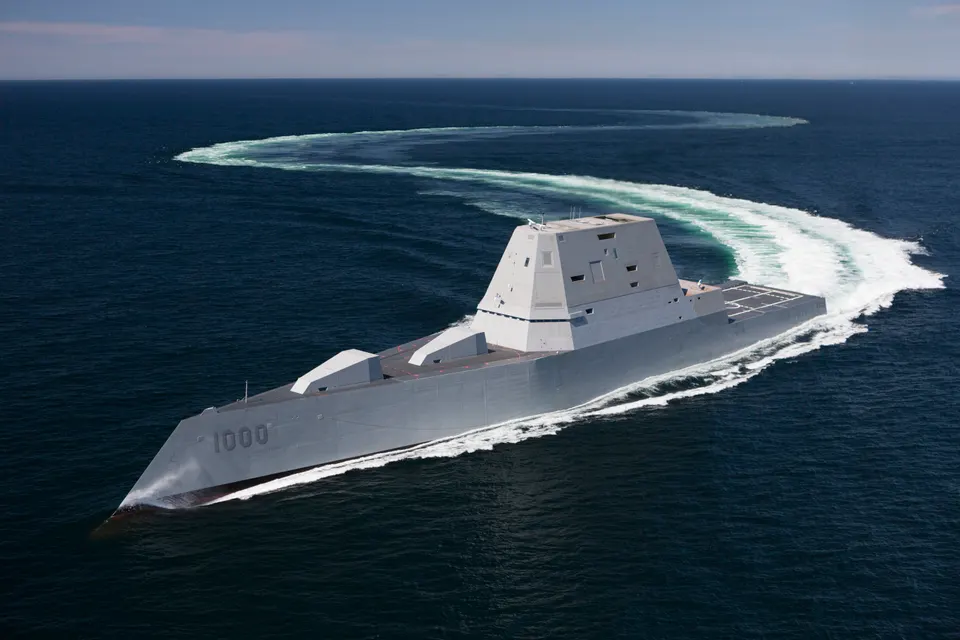
At 23:00 Tehran time, the geopolitical temperature in the Persian Gulf has reached a boiling point. Donald Trump has officially rejected claims by Iranian authorities that the Strait of Hormuz—the world’s most critical oil chokepoint—has been successfully closed. This denial comes on the heels of a massive military operation by U.S. Central Command (Centcom), which reported striking 140 targets across Iran over the weekend. The targets reportedly included drone launch sites, naval facilities, and communication hubs, a direct response to what the U.S. describes as the disabling of a container ship in the waterway.
For the average observer, this is no longer a shadow war; it is a full-scale confrontation over maritime sovereignty. While Tehran maintains that transit through the strait requires its explicit approval, Washington is moving to demonstrate that it can and will maintain freedom of navigation through force. This escalation has effectively collapsed the fragile ceasefire agreed upon last month, leaving the global energy market and regional trade routes in a state of high-alert. The strategic goal of the U.S. strikes appears to be the systematic degradation of Iran's coastal defense capabilities to ensure that any attempt to enforce a blockade remains unenforceable.
Market Panic: Toman Hits New Lows
The economic fallout of this military escalation is being felt instantly in the streets of Tehran and across digital exchanges. The Iranian Toman has seen a sharp depreciation in the last 24 hours, with the USD sell rate moving from 176,000 to 178,900, representing a 1.6% increase in the dollar's value. This is not merely a currency fluctuation; it is a risk premium being priced into every transaction as citizens and traders scramble for hard currency. Gold has followed a similar trajectory, with 18k gold rising from 17,452,329 to 17,660,095 Toman per gram (+1.2%), reflecting a classic flight to safety during times of kinetic conflict.
What this means for the Iranian consumer is an immediate inflationary shock. As the cost of the dollar rises, the price of imported goods, raw materials, and even basic staples will inevitably follow. The Emami coin has also jumped from 176,000,000 to 178,000,000 Toman (+1.1%), signaling that even traditional stores of value are becoming more expensive as the public loses confidence in the Rial's stability. If the military standoff in the Gulf continues without a diplomatic off-ramp, the pressure on the Toman is likely to intensify, potentially testing the 180,000 psychological barrier before the week is out.
South Africa’s Mass Deportation Campaign
In a major geopolitical shift on the African continent, South Africa has announced the deportation of over 53,000 foreigners as part of a massive migration crackdown. This campaign follows months of intense anti-immigration protests and growing domestic pressure on the government to prioritize local employment. The sheer scale of these deportations—more than 53,000 individuals in a single wave—highlights a hardening of borders in what has traditionally been one of the continent's most accessible economies for regional migrants.

This move by Pretoria is likely to have significant ripple effects across Southern Africa. Many of those deported provide essential labor in sectors like agriculture and mining, and their sudden removal could disrupt supply chains. Furthermore, the move signals a rising tide of nationalism that mirrors global trends. For international observers, South Africa’s shift toward a more restrictive migration policy suggests that economic anxiety is trumping regional integration efforts, a development that could lead to diplomatic friction with neighboring states like Zimbabwe and Mozambique.
AI Wars: Musk and Altman Trade Blows
In the technology sector, the rivalry between Elon Musk and OpenAI’s Sam Altman has taken a personal and public turn. Following legal disputes involving Apple and OpenAI, Musk took to social media to roast the partnership, only to be met with a stinging rebuttal from Altman. Altman’s response—accusing Musk of being the one "selling investors on space datacenters"—points to a growing tension over the future of AI infrastructure and the staggering energy demands of the next generation of large language models.
This exchange is more than just billionaire banter; it reveals a fundamental split in how the world's most powerful tech leaders view the path forward. While Musk has historically warned about the dangers of centralized AI, his critics point out his own massive investments in AI-driven hardware and satellite networks. Meanwhile, the legal battle over an ex-Apple engineer who allegedly stole secrets before joining OpenAI adds another layer of corporate espionage to the narrative. It suggests that the "talent war" for AI experts has reached a point where companies are willing to risk massive litigation to secure a competitive edge.
Frequently Asked Questions
Why is the Toman falling so rapidly today?
What were the specific targets of the US strikes mentioned by Centcom?
How does the South Africa deportation news affect global markets?
What is the 'space datacenter' controversy between Musk and Altman?
The Strategic Significance of the Strait of Hormuz
The Strait of Hormuz, a narrow waterway between Oman and Iran, is the world’s most critical chokepoint for oil transport. Roughly 20% of global petroleum consumption—about 21 million barrels per day—passes through this 21‑kilometre‑wide channel, making any disruption instantly felt on international energy markets and, consequently, on the economies of oil‑importing nations.
Because the strait lies at the mouth of the Persian Gulf, it also serves as the primary exit route for the vast oil reserves of Saudi Arabia, Iraq, Kuwait, the United Arab Emirates and Iran. Control over the passage gives regional powers leverage: Iran can threaten to close the strait during periods of heightened tension, while the United States and its allies maintain a naval presence to ensure freedom of navigation. This geopolitical tug‑of‑war translates directly into price volatility for crude oil and related commodities such as gold, which often rise when oil supply is perceived as insecure.
When the strait is threatened or temporarily closed—whether by missile attacks, naval mines, or the presence of hostile vessels—oil traders react quickly. Futures contracts on benchmarks like Brent and WTI spike, and spot prices can jump several dollars per barrel within hours. The ripple effect reaches currency markets too; nations heavily dependent on oil imports, such as Iran, may see their local currencies depreciate further as foreign exchange demand surges and inflation expectations climb.
Historically, the most notable closures occurred during the Iran‑Iraq War (1980‑88) and the 2019‑2020 tensions between the United States and Iran. Each episode demonstrated how a brief interruption—sometimes lasting only a few days—could trigger a sharp, albeit temporary, increase in global oil prices, prompting policy responses from the International Energy Agency (IEA) and the Organization of the Petroleum Exporting Countries (OPEC) to stabilize markets.
Understanding the strategic importance of the Strait of Hormuz helps explain why news of military strikes, diplomatic threats, or even routine naval drills can cause immediate movements in oil, gold, and currency markets worldwide. For investors and policymakers alike, monitoring the security situation in this narrow waterway is essential for anticipating short‑term market shocks and longer‑term shifts in energy geopolitics.