IRGC Strikes US Bases in Regional Escalation; Oil Tankers Go 'Dark' as Hormuz Crisis Deepens
حملات موشکی سپاه به پایگاههای آمریکا در منطقه؛ حرکت «خاموش» نفتکشها در تنگه هرمز
The Middle East conflict has entered a dangerous new phase as the IRGC launches missile and drone strikes against US bases in Jordan, Bahrain, and Kuwait. Meanwhile, the maritime crisis deepens as oil and LNG tankers disable transponders to navigate the Strait of Hormuz unobserved.
At time of publishing
USD
178,900
Toman
Gold 18K
17.60M
Toman / gram
Bitcoin
$62,798
US Dollar
Tether
179,740
Toman
IRGC Launches Retaliatory Strikes on US Bases in Jordan, Bahrain, and Kuwait
The Islamic Revolution Guards Corps (IRGC) has significantly escalated regional tensions this morning, announcing a series of coordinated missile and drone strikes against United States military installations in Jordan, Bahrain, and Kuwait. This move, reported by state-affiliated outlets like IRNA and confirmed by regional witnesses, is framed as a direct retaliation for recent American airstrikes targeting positions in southern Iran. By striking bases in Gulf states like Bahrain and Kuwait—traditional hubs for the US Fifth Fleet and logistical operations—Tehran is signaling a willingness to expand the theater of conflict beyond its own borders and into the territory of regional neighbors hosting Western forces.
Simultaneously, the Iranian Foreign Ministry has issued a sharp diplomatic rebuke, characterizing the initial US actions as a "gross violation of international law" and a breach of the United Nations Charter. This dual-track approach of military kinetic action paired with legalistic condemnation suggests a strategy of "legitimized escalation," where Tehran seeks to justify its strikes as self-defense under international norms. For the average Iranian citizen, this escalation raises immediate concerns regarding the potential for a full-scale regional war and the subsequent economic fallout that often accompanies such geopolitical instability. Markets are currently in a state of high alert, waiting to see if the United States will respond with a further counter-strike or seek a de-escalation path through diplomatic intermediaries.
Tankers Go Dark: The Strait of Hormuz Maritime Crisis Deepens
The maritime environment in the Persian Gulf has reached a state of near-paralysis following the latest military exchanges. According to shipping data analyzed by Bloomberg and Kpler, oil and LNG tankers have resumed the practice of "going dark"—disabling their Automatic Identification System (AIS) transponders—to navigate the Strait of Hormuz without detection. On Sunday, only six vessels were recorded clearing the chokepoint, a staggering collapse in traffic that highlights the extreme risk premium now attached to the world’s most critical energy artery. This tactical invisibility is a desperate measure by vessel operators to avoid being targeted by naval forces or caught in the crossfire of the ongoing US-Iran exchange.
This "dark mode" transit is not merely a safety precaution; it is a symptom of a deepening energy crisis that could soon manifest at gas pumps and utility bills globally. While some tankers are braving the passage unobserved, many others are opting to anchor in safe waters outside the Gulf, leading to a bottleneck that threatens the global supply chain of crude oil and liquefied natural gas. As insurance premiums for regional transit skyrocket, the cost of moving energy is being pushed to historic highs, adding inflationary pressure to a global economy already reeling from geopolitical shocks. If the Strait remains effectively closed or highly contested, the energy markets could see a price spike that dwarfs previous records.
Market Resilience and the Bitcoin Anomaly During Conflict
In the financial markets, the reaction to this morning's strikes has been a study in divergent sentiment. Despite the sounds of war, the Iranian Toman (USD/IRR) remained remarkably static this morning, holding at 178,900. This stability likely reflects a market in a state of "shocked wait-and-see" or heavy-handed central bank intervention to prevent a panic-induced collapse. Gold, usually the ultimate safe haven, saw a slight decline of 0.3%, with 18k gold moving from 17,660,095 to 17,602,382 Toman. This suggests that some local investors might be liquidating assets to hold hard currency or that the initial shock of the strikes had already been "priced in" during the previous evening's volatile trading sessions.
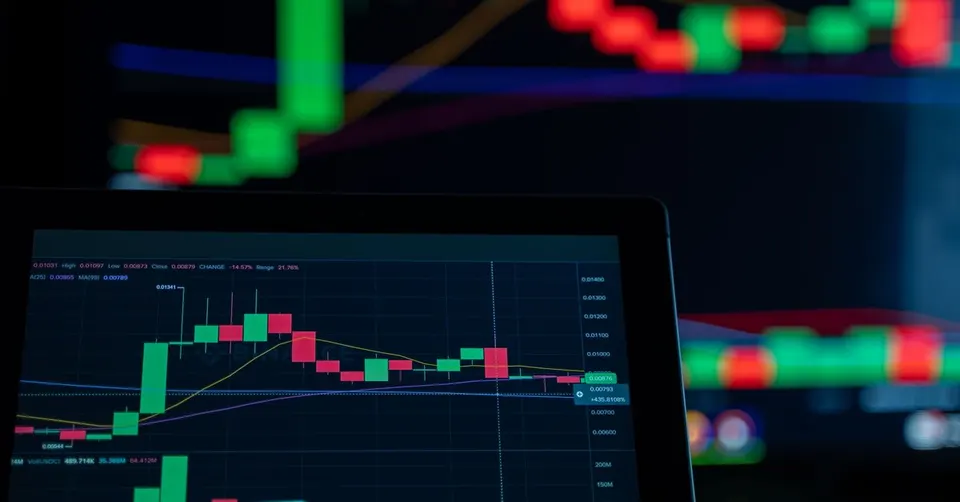
Perhaps the most surprising trend is the resilience of Bitcoin. While traditional stocks and bonds have faced volatility due to the fourth round of US-Iran strikes, Bitcoin has held steady near the $62,798 mark. Analysts suggest that the "war-driven selloff" that typically hits risk assets is bypassing the crypto sector this time, as some investors increasingly view decentralized assets as a hedge against the failure of traditional diplomatic and financial systems. For Iranians, the USDT rate at 179,740 Toman remains a critical barometer of real-time sentiment, often moving faster than the official or semi-official exchange rates in response to breaking military news.
Global Instability: From UK Politics to the Bangkok Tragedy
Beyond the immediate conflict zone, a sense of global instability is pervading other news sectors. In the United Kingdom, the transition of power to a potential new Labour government under Andy Burnham is being overshadowed by the Middle East crisis. As Britain prepares for its seventh Prime Minister in a decade, questions of "ungovernability" are being raised, with the international community watching how Western powers manage domestic political shifts while simultaneously responding to a hot war in the Middle East. The ability of the UK to maintain its foreign policy commitments during this leadership churn remains a point of concern for its allies.

Adding to the global somber mood, a tragic fire in a Bangkok bar has claimed at least 27 lives, highlighting ongoing concerns about public safety standards in rapidly developing urban centers. While seemingly unrelated to the Gulf conflict, such events contribute to a broader narrative of a world in flux, where both man-made and accidental disasters are testing the limits of state capacity. Whether it is the IRGC's missile strikes, the shutting down of global energy lanes, or domestic tragedies in Asia and Europe, the start of this week marks a period of profound uncertainty for the global economy and international security architecture.
Frequently Asked Questions
Why did the IRGC target bases in Bahrain and Kuwait specifically?
What does it mean for a tanker to 'go dark' in the Strait of Hormuz?
Why is Bitcoin holding steady while other markets are volatile?
Understanding Maritime Chokepoints: The Strategic Significance of the Strait of Hormuz
In the intricate web of global trade and energy supply, certain narrow sea passages hold disproportionate strategic importance. These are known as maritime chokepoints, and their potential disruption can send ripples across the world economy. A prime example, and one frequently in the news, is the Strait of Hormuz.
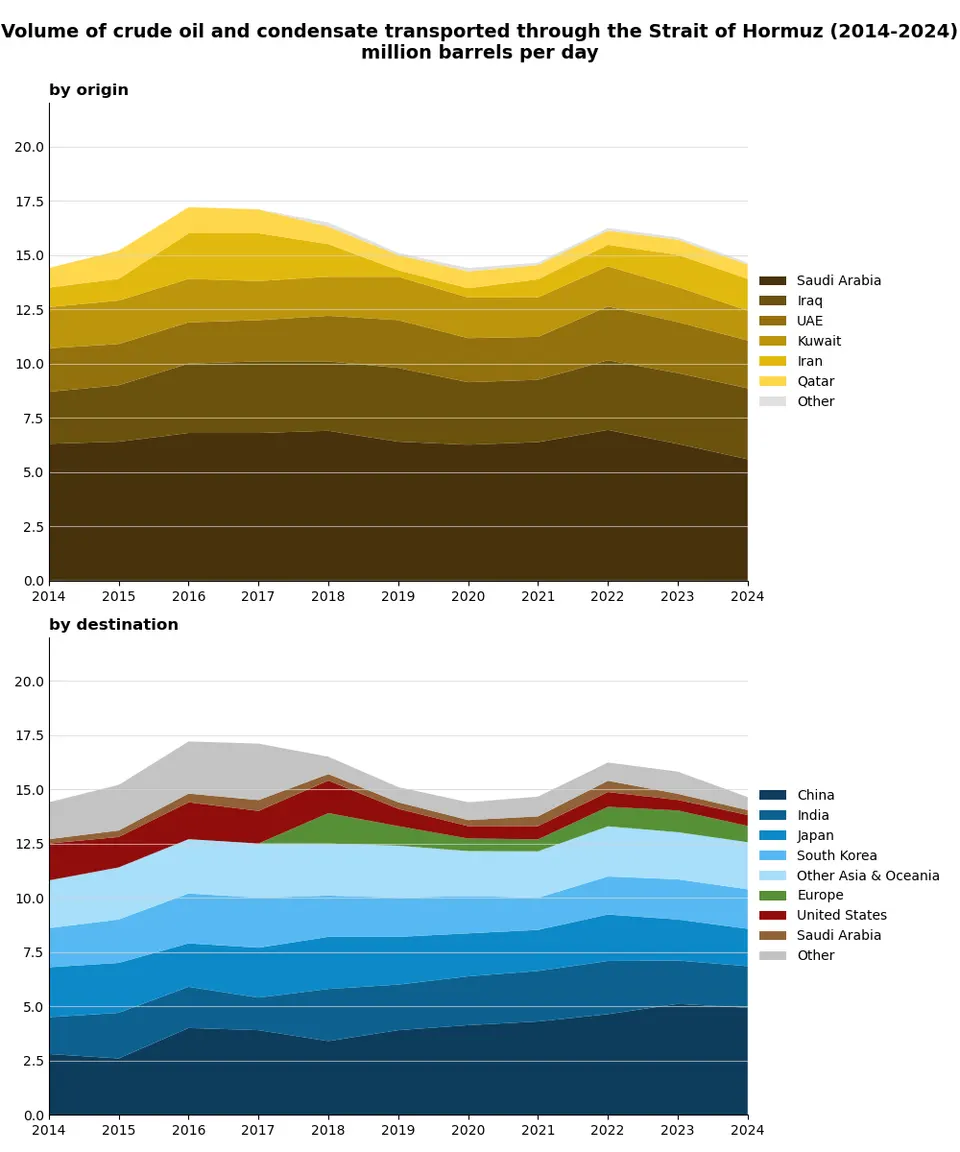
The Strait of Hormuz is a critical waterway connecting the Persian Gulf to the Arabian Sea and the broader Indian Ocean. It is incredibly narrow, at its tightest point only about 21 nautical miles (39 km) wide, with shipping lanes just 2 miles (3.2 km) wide in each direction. This geographical constraint, coupled with the fact that it is the sole sea passage for the vast majority of oil exports from major producers like Saudi Arabia, Iran, UAE, Kuwait, and Iraq, makes it the world's most important oil transit chokepoint. An estimated 20% of the world's total petroleum liquids consumption, and roughly one-third of all seaborne traded oil, passes through this strait daily.
Any escalation of tensions or conflict in the region, as suggested by the recent headlines, immediately raises concerns about the safety of transit through the Strait of Hormuz. A significant disruption, whether due to military action, blockades, or even the perceived threat of such, could drastically reduce global oil supply, leading to sharp spikes in oil prices and profound implications for global energy security and economic stability. The mention of oil tankers going into 'dark mode' during a crisis highlights the extreme measures taken by shipping companies to navigate such dangerous waters, often by turning off their Automatic Identification System (AIS) transponders to avoid detection, though this practice carries its own risks and legal implications.
Understanding maritime chokepoints like the Strait of Hormuz is crucial for comprehending the geopolitical risks inherent in global energy markets. Their vulnerability makes them flashpoints in international relations, where regional conflicts can quickly escalate into global economic crises.