Hormuz Crisis: Ceasefire Collapses as US and Iran Exchange Massive Strikes; Oil Surges
بحران در هرمز؛ فروپاشی آتشبس با تبادل سنگین آتش میان ایران و آمریکا و جهش قیمت نفت
The fragile regional truce has shattered as US forces strike dozens of targets, prompting immediate Iranian retaliation against bases in Kuwait and Bahrain. As oil prices jump 4%, global markets are bracing for a prolonged disruption in the world's most vital energy corridor.
At time of publishing
USD
178,900
Toman
Gold 18K
17.53M
Toman / gram
Bitcoin
$62,782
US Dollar
Tether
179,801
Toman
Market Open — Stability Amidst the Storm
Good morning. Despite the geopolitical firestorm raging across the Persian Gulf overnight, the domestic currency market opened with a surprising degree of stoicism. The US Dollar (USD) remains flat at 178,900 Toman, showing no change (+0.0%) from yesterday's close. This suggests that while the military situation is escalating, local traders may have already priced in a significant amount of risk, or are waiting for a clearer signal from the Central Bank's intervention desks before making their next move.
In contrast, the gold market is seeing a slight cooling effect. Gold 18k per gram dropped to 17,533,127 Toman, a decrease of 0.7%. This minor retreat in local gold, despite rising international tensions, reflects a complex interplay between global spot prices and local demand. Meanwhile, Bitcoin has struggled to hold its ground as a safe haven, slipping to $62,782 as the broader 'risk-off' sentiment forces investors out of volatile assets and into the relative safety of the US dollar and high-yield bonds.
The Ceasefire Shallows: US and Iran Exchange Heavy Fire
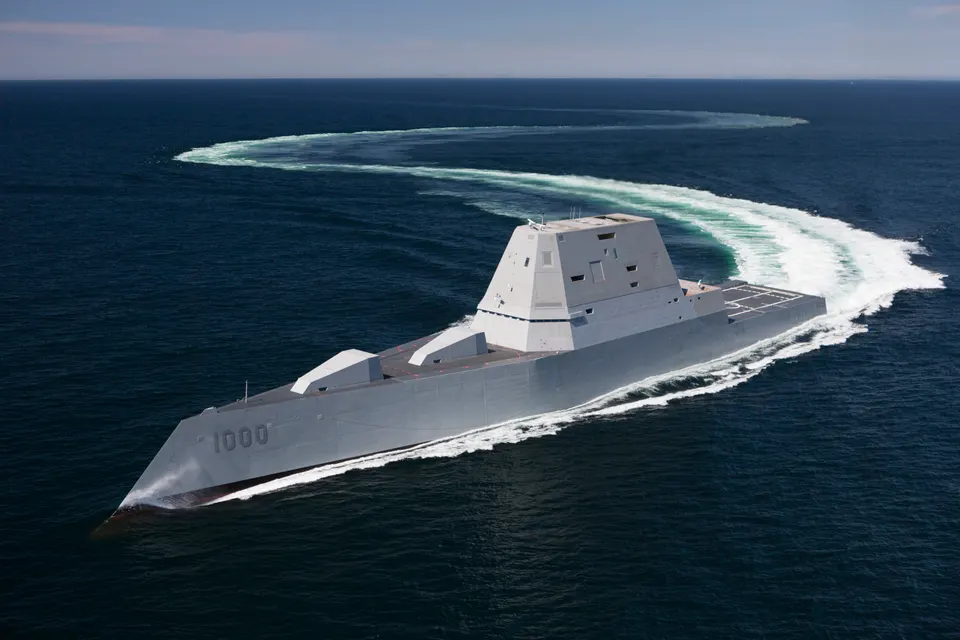
The thin veil of diplomacy that held the region together over the past few months has been torn apart. Overnight, the U.S. military launched what it described as a 'degrading' wave of strikes against dozens of targets. According to Central Command, the mission was intended to curb the ability to strike commercial shipping in the Strait of Hormuz. However, the response from Tehran was immediate and expansive, with official statements declaring that diplomatic efforts have now been rendered 'futile.'
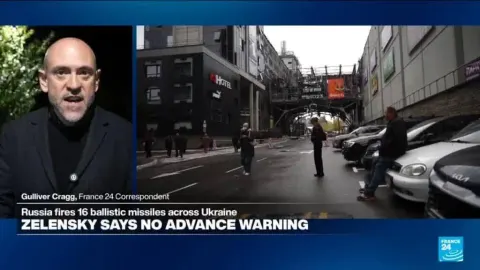
Reports indicate that Iranian forces retaliated by targeting U.S. military interests across the Gulf, with sirens echoing through residential areas in Bahrain and Kuwait. The scale of this exchange marks a significant departure from previous tit-for-tat skirmishes. By striking bases in countries like Jordan and Kuwait, the conflict is no longer confined to the waters of the Gulf but has spilled over into the territories of regional allies, raising the specter of a much broader regional conflagration that could involve multiple sovereign states.
Energy Markets on Edge: Oil Jumps 4%
The immediate economic casualty of the overnight escalation is the price of energy. Brent Crude futures surged by 4% in Asian trading, topping $79 per barrel. This jump reflects the market's deep-seated fear that the Strait of Hormuz—through which one-fifth of the world's oil passes—could be effectively closed to commercial traffic. Iran has once again claimed the waterway is under its total control, a move that directly threatens the global supply chain and has sent shockwaves through energy-dependent economies in Europe and Asia.
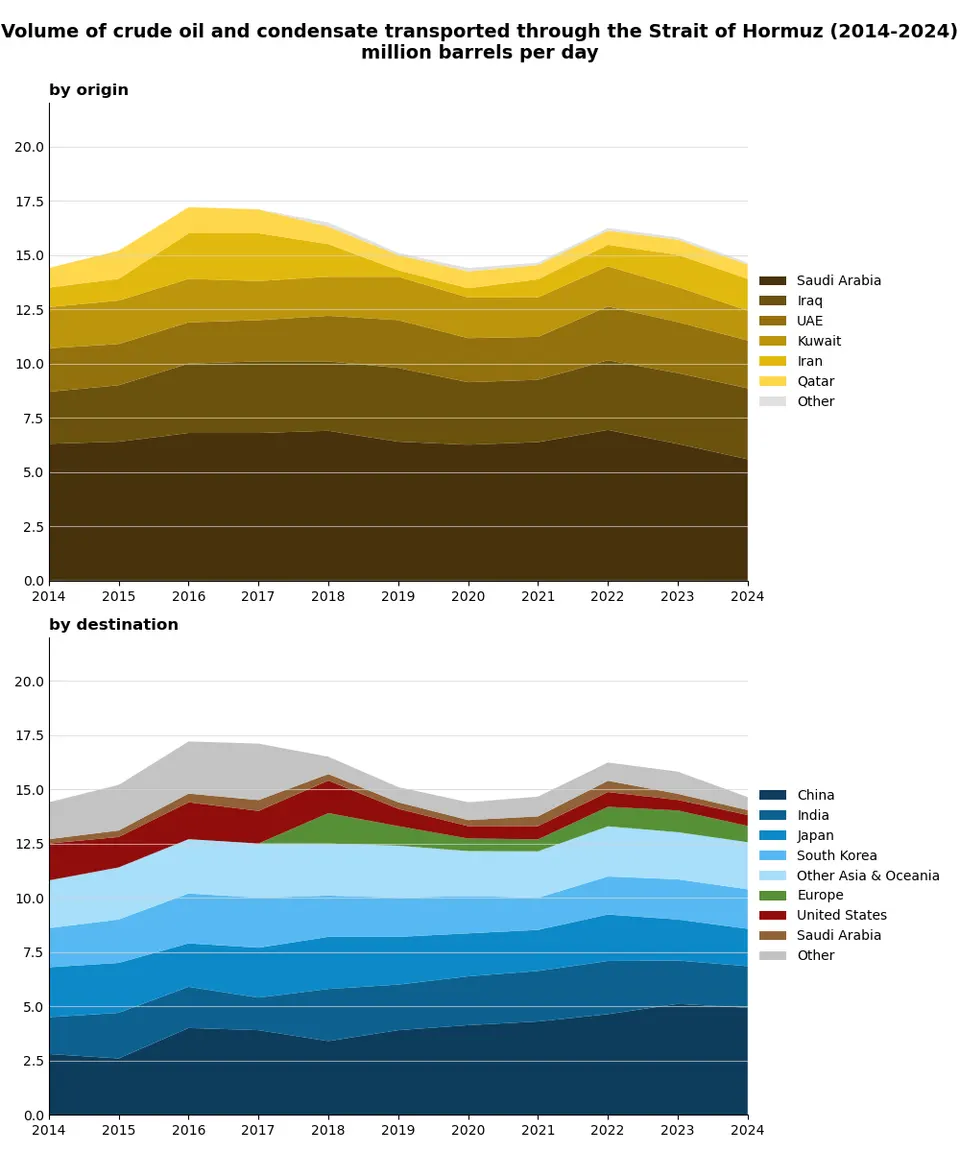
For the average consumer, this surge in crude prices is a harbinger of renewed inflationary pressure. If the maritime blockade persists, the cost of shipping and fuel will inevitably trickle down into the price of imported goods. While 'Big Oil' companies are reportedly seeing bumper profits from this volatility, governments worldwide are growing increasingly frustrated. The Biden administration faces a difficult balancing act: attempting to restore security in the shipping lanes without triggering a full-scale energy crisis that could derail the global economic recovery.
Bitcoin’s Identity Crisis: Not the Safe Haven Many Hoped For
In the world of digital assets, the overnight news served as a reality check for those viewing Bitcoin as 'digital gold.' While physical gold remains near record highs of $4,055 per ounce, Bitcoin fell to the $62,800 level. The data suggests that in moments of acute military conflict, institutional investors still treat crypto as a high-risk tech asset rather than a geopolitical hedge. When the missiles fly, the first instinct for many remains to liquidate liquid assets and move into cash.

This decoupling between gold and Bitcoin during a major security crisis is a critical data point for Iranian investors. While the domestic USD rate is currently stable, any further escalation that leads to a sustained oil price rally will eventually put pressure on the Toman. For now, the market is in a 'wait and see' mode, but the underlying fundamentals suggest that the period of relative calm in the foreign exchange market may be reaching its expiration date.
Frequently Asked Questions
Why did oil prices jump 4% overnight?
Why is the USD/IRR rate stable despite the military escalation?
Is Bitcoin a safe haven during military conflicts?
Why the Strait of Hormuz Matters: A Chokepoint that Moves the World’s Oil Prices
The Strait of Hormuz, a narrow waterway between Iran and the United Arab Emirates, is one of the world’s most critical maritime chokepoints. At its narrowest point the channel is only about 21 nautical miles wide, yet roughly 20% of global petroleum—about 21 million barrels per day—passes through it. Because the strait links the oil‑rich Persian Gulf to the open ocean, any disruption instantly reverberates through global supply chains, pushing prices up and creating volatility in related markets such as currencies and even cryptocurrencies.
When a conflict erupts, as in the 2026 exchange of massive strikes between the United States and Iran, the risk of a closure or a mining of the waterway spikes. Traders price in a “risk premium” that can lift Brent crude by several dollars per barrel within hours. The price shock propagates to downstream economies, raising fuel costs, inflating inflation, and prompting central banks to adjust monetary policy. In Iran, a sudden surge in oil revenue loss can exacerbate currency devaluation, which explains the sharp move in the Iranian toman exchange rate mentioned in the headlines.
The strategic importance of the Hormuz chokepoint also illustrates a broader concept in international economics: the vulnerability of global trade to geographic bottlenecks. Nations with alternative routes—such as pipelines through Saudi Arabia or the Suez Canal—can mitigate some risk, but the sheer volume that transits Hormuz makes it irreplaceable in the short term. Understanding this geography helps explain why geopolitical tensions in the Middle East have outsized effects on commodities, stock markets, and even digital assets like Bitcoin, which often react to macro‑risk sentiment.
Policy makers therefore monitor Hormuz closely, employing naval patrols, diplomatic channels, and contingency plans to keep the strait open. The lesson for investors and citizens alike is simple: when a narrow slice of water can move millions of barrels of oil, the health of that slice becomes a barometer for the global economy.