Hormuz Crisis: Oil Surges 5% as US-Iran Strikes Expand to Regional Neighbors
بحران هرمز: جهش ۵ درصدی نفت در پی حملات متقابل ایران و آمریکا و گسترش درگیری به کشورهای منطقه
Global oil prices have jumped nearly 5% following a fresh wave of military exchanges between the US and Iran, with the IRGC claiming strikes against several regional neighbors. While stock markets in Asia are reeling, Bitcoin remains surprisingly stable amidst the geopolitical firestorm.
At time of publishing
USD
178,900
Toman
Gold 18K
17.56M
Toman / gram
Bitcoin
$62,918
US Dollar
Tether
179,797
Toman
Oil Prices Leap as Hormuz Standoff Escalates
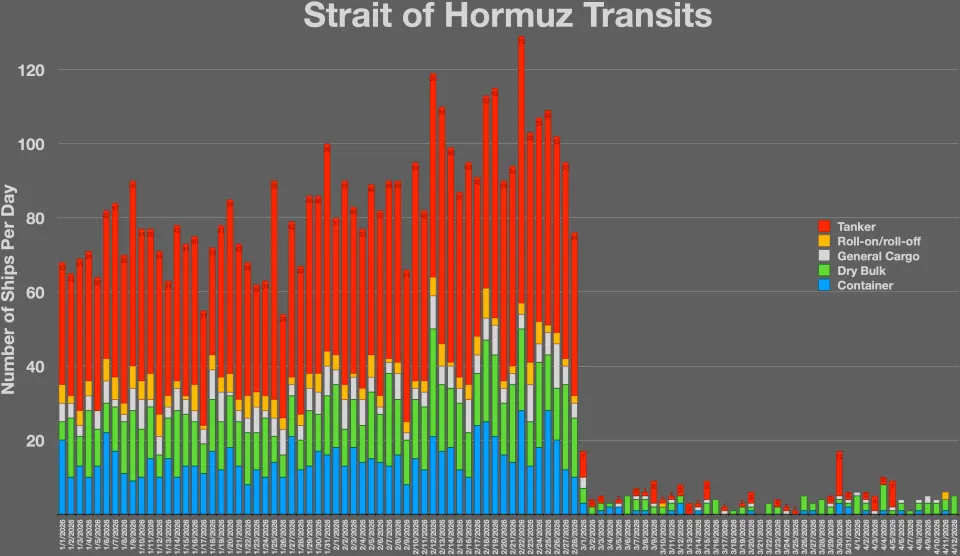
The global energy market is in a state of high alert this morning as Brent crude, the international benchmark, surged nearly 4.7% to reach $79.59 a barrel. This sharp increase follows a fresh wave of military strikes launched by the United States against Iranian targets, marking a significant escalation in the ongoing standoff over the Strait of Hormuz. The situation has immediately trickled down to global equities, with Asian stock markets experiencing a brutal sell-off. South Korea’s Kospi index plummeted by 8%, while Japan’s Nikkei 225 and China’s Shanghai Composite both shed 2% in early trading.
The market reaction is driven by the fear of a prolonged disruption in the world's most vital oil artery. Analysts note that tech giants and chipmakers, such as SK Hynix, are among the hardest hit as investors flee riskier assets in favor of safe havens. For Iranian readers, this surge in oil prices presents a complex economic picture; while it theoretically increases potential revenue, the heightened military tension and the specter of total blockade at Hormuz create massive volatility in the domestic currency market, keeping the USD sell rate at a high of 178,900 Toman despite the lack of a 24-hour delta.
IRGC Claims Regional Strikes, Breaking Interim Hopes
In a dramatic expansion of the conflict, Iranian state media reported that the Revolutionary Guards (IRGC) have claimed responsibility for strikes targeting locations in Oman, Bahrain, Kuwait, and Jordan. These claims, which have not yet been independently verified in their entirety by international observers, suggest a deliberate move to regionalize the conflict. The IRGC framed these actions as a direct response to the latest round of American attacks on Iranian soil, effectively shattering the fragile interim agreement that had briefly offered hope for a de-escalation in the war that began in late February.
This regional flare-up has profound implications for Middle Eastern stability. By targeting countries like Jordan and Bahrain—the latter of which hosts the U.S. Navy's 5th Fleet—Tehran is signaling that no U.S. ally in the region is safe from retaliation. This strategy appears designed to pressure Washington’s regional partners into distancing themselves from American military operations. However, the move risks a much larger coalition forming against Iran, potentially leading to a broader regional war that could permanently alter the geopolitical landscape and trade routes of the Middle East.
SpaceX IPO One Month On: A Reality Check
While the world watches the Middle East, the financial world is also reflecting on the one-month anniversary of the historic SpaceX IPO. After its blockbuster debut, the stock's momentum is being put to the test as investors scrutinize the company's actual revenue streams versus its ambitious valuation. Initial euphoria has given way to a more sober assessment of how Elon Musk’s aerospace giant makes money in the current high-interest-rate environment. The stock market's reaction to SpaceX's first month reflects a broader trend where "war economy" stocks and defense-adjacent tech are receiving more attention than purely speculative ventures.
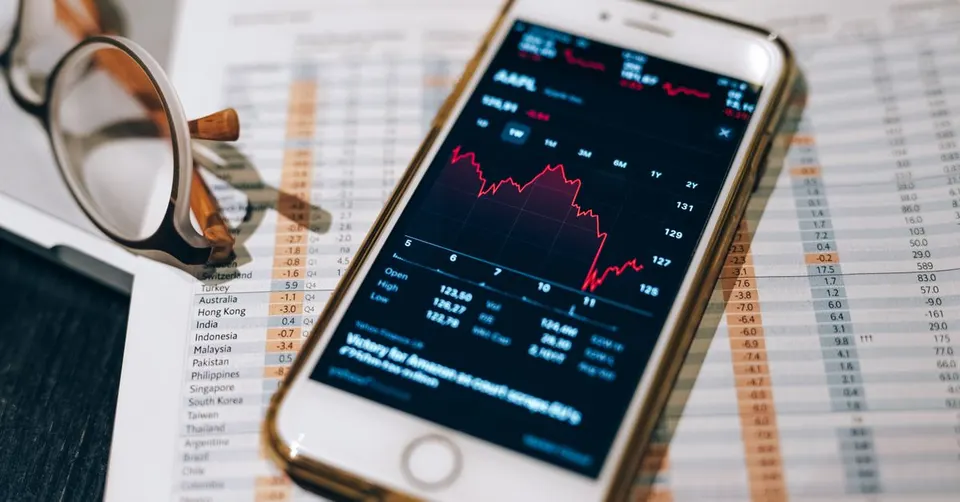
Despite the geopolitical chaos, SpaceX remains a focal point for institutional investors looking for long-term growth outside of traditional terrestrial markets. However, the current volatility in global markets—triggered by the Hormuz crisis—has not spared the newly public firm. As capital becomes more expensive and risk appetite wanes, SpaceX will need to demonstrate consistent operational success with its Starlink and Starship programs to maintain its premium valuation. For the average investor, the SpaceX story is a reminder that even the most revolutionary companies are not immune to the gravity of global macroeconomics.
Bitcoin’s Surprising Resilience Amidst Market Chaos
In a surprising turn of events, Bitcoin has remained relatively stable near the $63,000 mark, even as traditional markets like stocks, gold, and bonds experience wild swings due to the US-Iran strikes. While BTC did slip slightly below $63,000 during an Asian-session leverage flush, it has largely held its ground compared to the 8% drop seen in major stock indices. This resilience is being closely watched by analysts who are debating whether Bitcoin is finally maturing into a "digital gold" safe-haven asset or if it is simply lagging behind the broader market reaction.
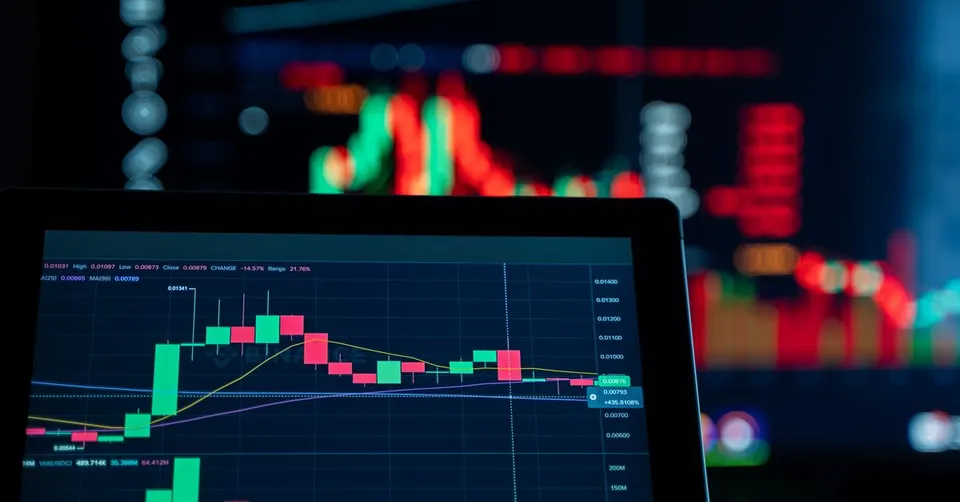
Adding to the intrigue in the crypto space, on-chain data revealed that a Bitcoin whale moved $188 million worth of BTC after seven years of dormancy. This whale last moved funds in 2018 when the price was roughly $6,475, representing a nearly tenfold gain. Such movements by long-term holders during periods of extreme geopolitical tension often signal a shift in market sentiment. Whether this whale is preparing to liquidate or simply reallocating assets, the move highlights the significant "dry powder" waiting on the sidelines of the crypto market as the world teeters on the edge of a wider conflict.
Frequently Asked Questions
Why did oil prices jump 5% this hour?
How has the Iranian Toman reacted to the regional escalation?
Which stock markets were hardest hit by the conflict?
Is Bitcoin acting as a safe haven in this crisis?
Understanding the Strategic Importance of the Strait of Hormuz
The Strait of Hormuz is a narrow, strategically vital waterway connecting the Persian Gulf to the Arabian Sea and the open ocean. It is one of the world's most critical maritime chokepoints, meaning a narrow channel or passage that is crucial for global trade and energy supply. For centuries, its geographic position has made it a focal point for regional and international powers, particularly due to the immense volumes of oil and natural gas that pass through its waters daily.
What makes the Strait of Hormuz so crucial is its role as the primary transit route for crude oil and liquefied natural gas (LNG) from the Middle East to global markets. Roughly one-fifth of the world's total petroleum consumption, and a significant portion of its LNG, travels through this strait. Major oil producers like Saudi Arabia, Iran, Iraq, Kuwait, Qatar, and the UAE rely almost entirely on this passage for their energy exports. Any disruption, even a perceived threat of one, can send shockwaves through international energy markets, leading to immediate price spikes and concerns about global supply.
The geopolitical implications of the Strait are profound. Its control or disruption has been a recurring theme in regional conflicts and international diplomacy. Given its narrowness—only about 21 nautical miles (39 km) at its widest point for shipping lanes—it is particularly vulnerable to blockades or military actions. Nations bordering the strait, especially Iran, hold significant leverage over global energy flows, making the region a constant flashpoint for tensions and a key factor in global economic stability. Understanding its strategic importance is key to comprehending the dynamics of global energy security and international relations.