UK Designates IRGC as Terrorist Organization Amid Shipping Collapse in Strait of Hormuz
بریتانیا سپاه پاسداران را در لیست تروریستی قرار داد؛ سقوط ترافیک دریایی در تنگه هرمز
The UK Home Office has officially moved to ban support for the IRGC following years of diplomatic tension, while maritime traffic through the Strait of Hormuz has plummeted to monthly lows following a new wave of US-Iran military strikes.
At time of publishing
USD
179,500
Toman
Gold 18K
17.57M
Toman / gram
Bitcoin
$62,685
US Dollar
Tether
180,124
Toman
UK Moves to Proscribe IRGC as Terrorist Organization
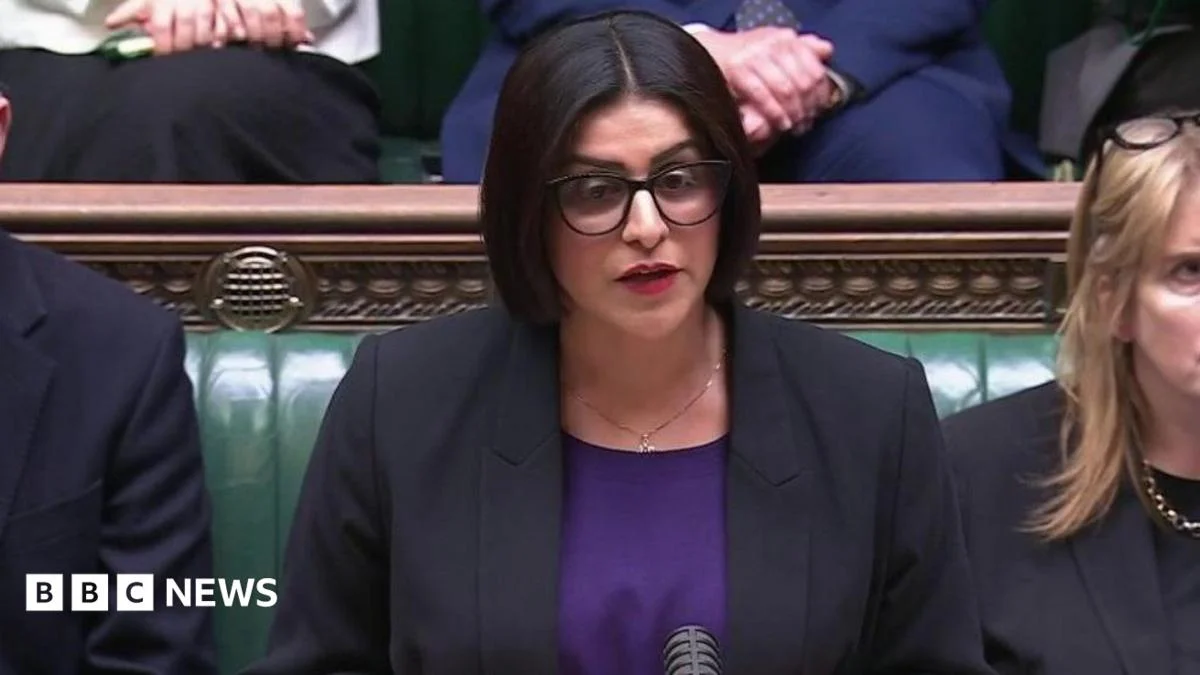
In a major escalation of diplomatic and legal pressure, the British Home Office announced on Monday that it will officially ban support for the Islamic Revolutionary Guard Corps (IRGC), effectively designating it as a terrorist organization. Home Secretary Shabana Mahmood is set to use new powers to criminalize any expression of support for the group, which British authorities have linked to persistent death threats and intimidation tactics on UK soil. This decision follows years of intense political debate in London, where officials have wrestled with the balance between diplomatic engagement and national security concerns.
The move puts the UK on a collision course with Tehran at a time when regional tensions are already at a breaking point. By listing the IRGC as a terrorist entity, the British government is signaling that it no longer views the group as a standard branch of a national military, but as a destabilizing force that threatens international law. This proscription will likely lead to the freezing of assets and the potential prosecution of individuals in the UK who maintain ties with the organization. For the Iranian government, which has already seen its diplomatic efforts described as "futile" by its own foreign ministry, this represents a significant narrowing of its remaining windows into Western financial and political systems.

Hormuz Shipping Plummets as Military Strikes Intensify
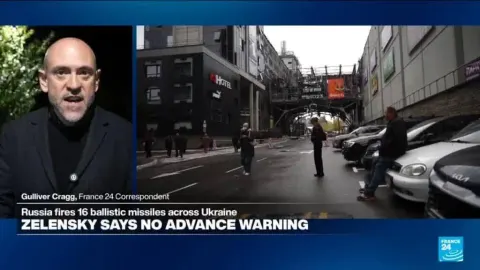
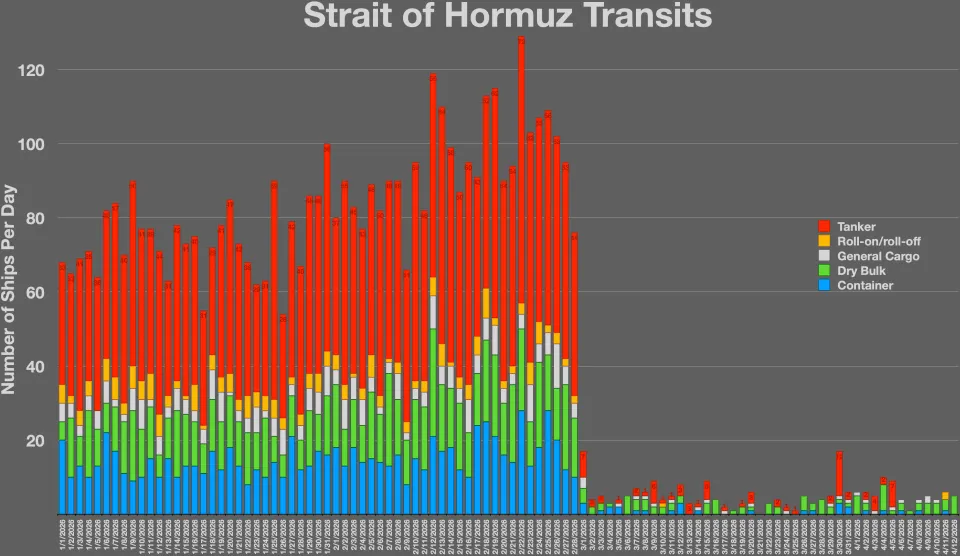
Maritime traffic through the Strait of Hormuz has reached its lowest level in over a month as the security situation in the world’s most critical oil chokepoint deteriorates. Following a series of retaliatory strikes between US forces and Iranian-backed units, marine intelligence firms report that commercial vessels are increasingly avoiding the waterway or turning off their transponders to evade detection. The military of Bahrain has accused Iran of targeting civilian infrastructure with drones and missiles, while Tehran maintains that its actions are a direct response to "illegal US military movements" that have rendered previous de-escalation efforts useless.
This disruption comes at a sensitive time for global energy markets. While Nigeria has reported a six-year high in oil production, reaching 1.56 million barrels per day, the potential for a full closure of Hormuz threatens to negate any supply gains from African or American producers. The "dark mode" navigation of tankers and the surge in insurance premiums are already being felt in global shipping costs. If the waterway remains contested, the world could see a structural shift in how energy is transported, with long-term consequences for inflation in energy-dependent economies.
Global Markets and the AI Stock Divergence
The geopolitical volatility in the Middle East has sent ripples through the New York and Asian stock exchanges. The Nasdaq composite slid on Monday as investors reacted to the fresh wave of US-Iran strikes, with semiconductor giants like SK Hynix seeing sharp declines. However, the crisis has created a complex landscape for Artificial Intelligence stocks. Analysts are currently debating whether Applied Materials or Amkor Technology represents a better buy in this high-risk environment. While Applied Materials benefits from its dominant position in chip-making equipment, Amkor’s packaging expertise is becoming more critical as the industry seeks to diversify supply chains away from immediate conflict zones.
For investors, the current climate is a test of resilience. The shift from growth-oriented tech optimism to defensive positioning is evident as the USD gains strength against a basket of global currencies. While the AI revolution continues to drive long-term value, the immediate threat of a regional war in the Middle East is forcing a re-evaluation of risk premiums. Markets are now pricing in the possibility of a prolonged conflict that could disrupt the very hardware supply chains that the AI industry relies upon for its next generation of data centers.
Toman Market: USD Rises as Gold Corrects
In the local Iranian markets, the exchange rate for the US Dollar showed a slight upward trend despite the broader regional uncertainty. The USD sell rate rose from 178,900 to 179,500 Toman (+0.3%), reflecting a persistent demand for hard currency as a hedge against geopolitical risk. Interestingly, this rise in the dollar did not translate to the gold market. Gold 18k per gram moved from 17,660,095 to 17,567,754 Toman (-0.5%), while the Emami coin dropped from 178,000,000 to 177,000,000 Toman (-0.6%).
This divergence suggests that local traders may be taking profits from gold after recent record highs, or are reacting to a slight stabilization in global gold prices which currently sit at $4,064.00 per ounce. While the Toman remains under pressure due to the IRGC's new terrorist designation in the UK and the Hormuz crisis, the lack of a panicked spike in gold indicates that some market participants are waiting for further clarity before making large moves. However, with the USD/IRR rate hovering near 180,000, the psychological threshold for further inflation remains a key concern for Iranian households.

Frequently Asked Questions
What does the UK's proscription of the IRGC mean legally?
Why is shipping traffic in the Strait of Hormuz decreasing?
How are AI stocks like Applied Materials affected by the Middle East conflict?
The Strategic Importance of the Strait of Hormuz: A Global Chokepoint
The Strait of Hormuz is more than just a narrow waterway; it is a critical maritime chokepoint, a term used to describe a narrow channel along widely used global sea routes that is crucial for international trade and security. Located between Oman and Iran, this strategic passage connects the Persian Gulf with the Arabian Sea and beyond. Its unique geographical position means that any disruption here can have immediate and far-reaching consequences for the global economy.
This chokepoint is particularly vital for the world's energy supply. An astonishing one-fifth of the world's total petroleum liquids consumption and about one-third of the world's liquefied natural gas (LNG) transit through the Strait of Hormuz daily. Major oil producers like Saudi Arabia, Iran, UAE, Kuwait, and Iraq rely on this strait for their exports, making it indispensable for global energy security. The sheer volume of energy passing through makes it a flashpoint for geopolitical tensions.
The designation of entities like Iran's Islamic Revolutionary Guard Corps (IRGC) as terrorist organizations by nations such as the UK, or the threat of military strikes, directly elevates the risk of disruption in the Strait. Such actions can provoke retaliatory measures, including attempts to impede shipping or directly threaten vessels, as has been seen in past incidents. A "shipping collapse" in this region, as implied by the keywords, would not only halt the flow of oil but could also escalate into a broader regional or even international conflict.
The economic implications of such a disruption are profound. A significant reduction in oil and gas transit would inevitably lead to drastic spikes in global energy prices, triggering inflation, hindering economic growth, and potentially pushing vulnerable economies into recession. It would also disrupt global supply chains reliant on stable energy prices and maritime transport, affecting industries worldwide and demonstrating just how interconnected global security and economic stability are through these vital maritime arteries.