Trump’s $10bn IRS 'Slush Fund' Blocked as Toman Hits 181k Amid Hormuz Blockade Threats
ابطال توافق ۱۰ میلیارد دلاری ترامپ با اداره مالیات؛ جهش دلار به ۱۸۱ هزار تومان در سایه تهدیدات هرمز
A federal judge has nullified a massive settlement between the Trump administration and the President's own family, calling it an improper use of the court. Meanwhile, the Iranian Toman has surged to 181,300 as oil prices jump 8% following Trump's renewed threats to blockade the Strait of Hormuz.
At time of publishing
USD
181,300
Toman
Gold 18K
17.64M
Toman / gram
Bitcoin
$61,888
US Dollar
Tether
181,854
Toman
Judicial Blow to Trump’s Tax Settlement
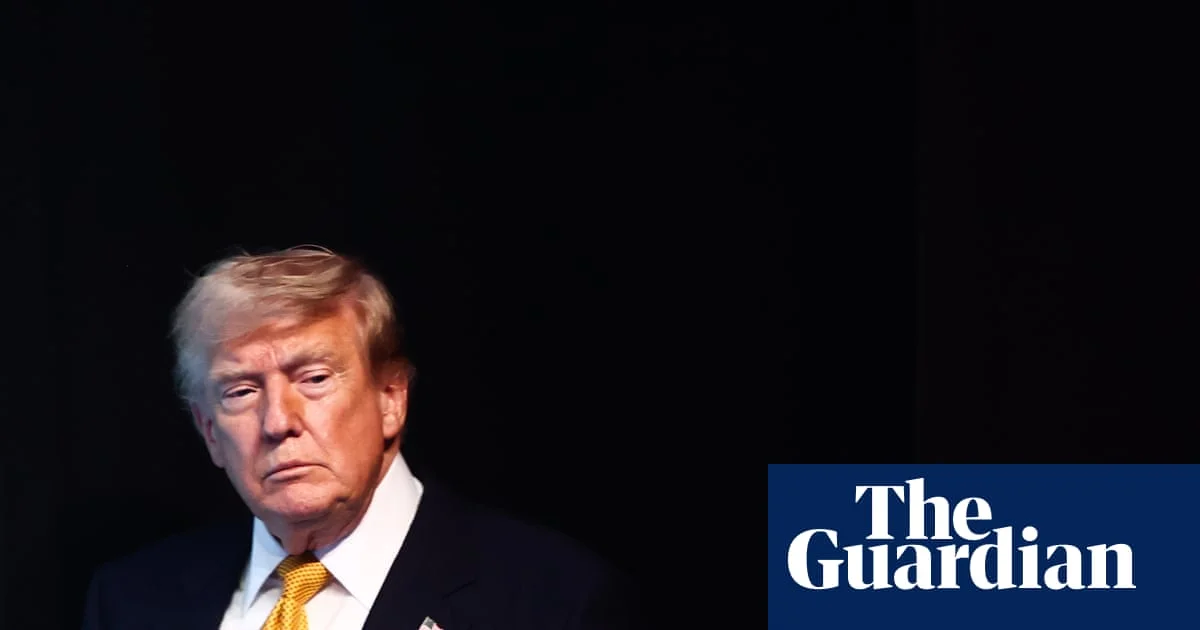
In a stinging rebuke to the administration, Federal Judge Kathleen Williams has nullified a controversial agreement between the U.S. government and Donald Trump’s family regarding the leak of his tax returns. The judge did not mince words, describing the $10 billion lawsuit and its subsequent settlement as being brought for an "improper purpose." The deal, which had been widely criticized by legal experts, would have created a $1.8 billion fund to compensate victims of what Trump calls "government weaponization," while effectively granting the President and his family immunity from future tax audits.
This ruling is a significant setback for the President’s domestic legal strategy. Judge Williams sanctioned the President’s lawyers, suggesting they used the judicial process to concoct a beneficial arrangement rather than seek genuine justice. For the broader public, this highlights the ongoing friction between the executive branch and the federal judiciary, even as the administration attempts to consolidate power across multiple fronts. The rejection of the "slush fund" means the original tax leak litigation remains unresolved, potentially exposing the family’s financial history to further scrutiny just as the political temperature in Washington reaches a boiling point.

Hormuz Blockade Threats Send Toman and Oil Soaring
Geopolitical tensions have hit the Iranian currency market with full force this hour. The USD/IRR exchange rate moved from 178,900 to 181,300, representing a sharp 1.3% increase in just 24 hours. This volatility is directly linked to President Trump’s recent declarations regarding the Strait of Hormuz. Despite public contradictions from his own Vice President, JD Vance, and Secretary of State Marco Rubio—who both suggested no country could unilaterally collect tolls in the international waterway—Trump has doubled down on the idea of imposing transit fees and reimposing a naval blockade.
The energy markets reacted instantly to the rhetoric. Brent crude prices surged by 8%, climbing above $82 per barrel, as traders began pricing in the risk of a prolonged disruption to global energy flows. While the global market is reeling, the impact in Tehran is felt through the rising cost of the US Dollar and a sense of deepening economic isolation. Interestingly, while the currency rose, the gold market showed slight fatigue; Emami coins dropped from 178,000,000 to 177,000,000 Toman (-0.6%), suggesting that some local investors might be liquidating gold to cover margins or moving into the surging greenback.
The Mossad-Ahmadinejad Connection and UK’s IRGC Ban
In a development that reads like a spy thriller, reports from the New York Times and Haaretz claim that Israeli intelligence attempted to court former Iranian President Mahmoud Ahmadinejad for a role in a potential post-regime government. The reports suggest that Mossad agents met with the once-hardline leader in Budapest as recently as 2022, following his public distancing from Supreme Leader Ali Khamenei. This outreach reportedly continued even as conflict flared in Gaza, highlighting Israel's desperate search for alternative leadership figures within the Iranian political sphere, despite Ahmadinejad's history of Holocaust denial and anti-Israel rhetoric.
Simultaneously, the United Kingdom has finally crossed a long-debated threshold by officially proscribing the Islamic Revolutionary Guard Corps (IRGC) as a terrorist organization. Home Secretary Shabana Mahmood confirmed the move under the National Security Act 2026, linking the decision to ongoing investigations into foreign interference and the death of Ann Widdecombe. This designation makes it a criminal offense in the UK to support or assist the IRGC in any capacity. For the Iranian government, this represents a major diplomatic blow and a tightening of the international noose, as the IRGC is not just a military force but a massive economic conglomerate that will now face unprecedented legal barriers in Western financial systems.

Israel Sets Election Date Amid Regional Turmoil
While the shadow war between Tehran and Tel Aviv intensifies, Israel has scheduled national elections for late October 2026. This will be the first time Israeli citizens head to the polls since the devastating attacks of October 2023, providing a critical referendum on Benjamin Netanyahu’s leadership and his handling of the multi-front conflicts in Gaza and with Iran. The Knesset is set to dissolve this Friday, but not before the current right-wing coalition attempts to push through a series of controversial laws intended to secure their political base ahead of what is expected to be a brutal campaign season.
For the region, this election adds a layer of unpredictability. A change in Israeli leadership could either lead to a de-escalation of regional tensions or a more aggressive stance, depending on the coalition that emerges. However, with the IRGC now designated as a terrorist group by the UK and the US President threatening a total blockade of the Persian Gulf, the window for diplomatic cooling seems to be closing rapidly. Investors and citizens alike are watching these developments with bated breath, as the intersection of domestic politics in both the US and Israel continues to drive the price of survival in the Middle East.
Frequently Asked Questions
Why did the judge nullify Trump's IRS settlement?
How did Trump's Hormuz blockade threat affect the Iranian Toman?
What are the consequences of the UK proscribing the IRGC?
The Strait of Hormuz: A Critical Global Energy Chokepoint
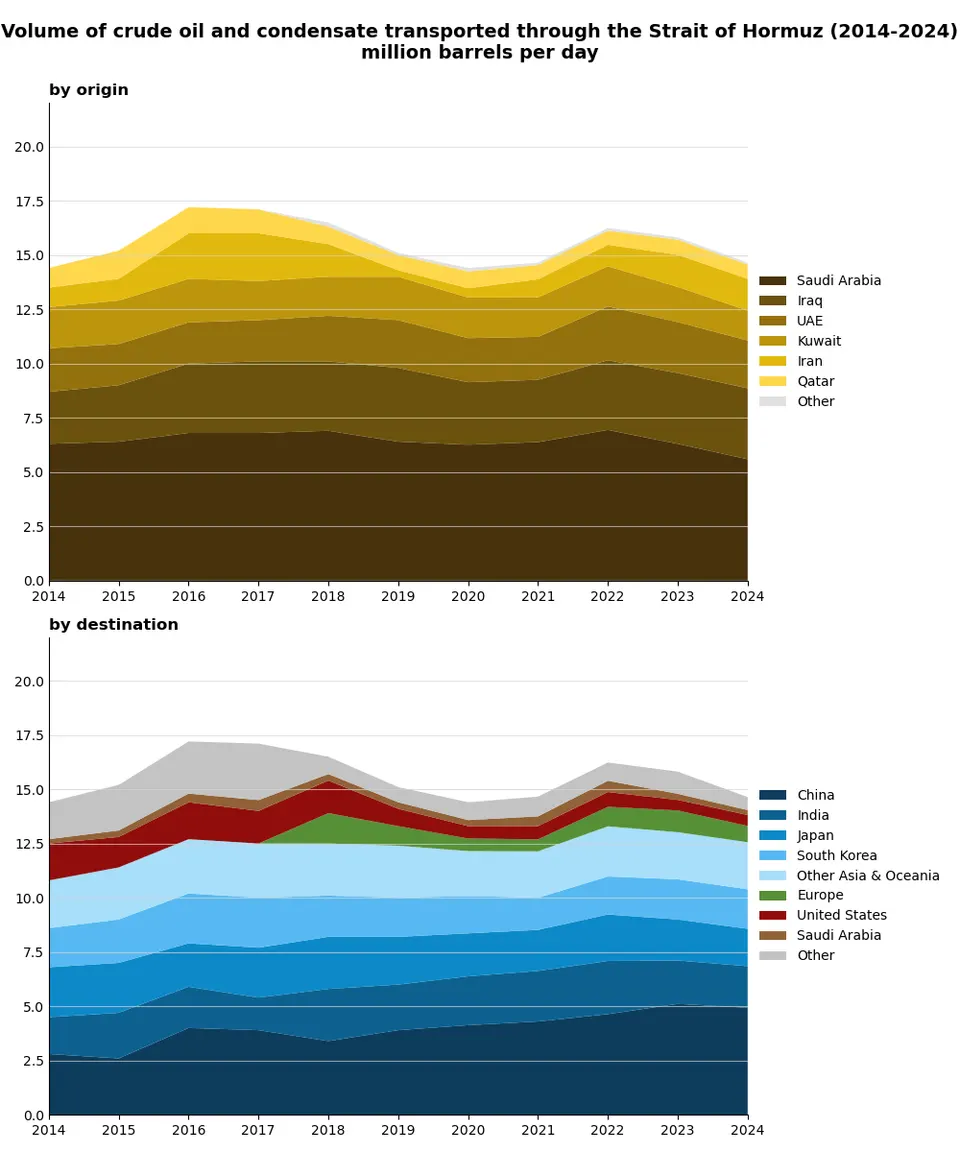
The Strait of Hormuz stands as one of the world's most strategically vital maritime chokepoints, a narrow waterway connecting the Persian Gulf to the Arabian Sea and the broader Indian Ocean. Its significance stems from its geographical position: it is the sole sea passage for a substantial portion of the world's oil and liquefied natural gas (LNG) exports from major producers like Saudi Arabia, Iran, UAE, Kuwait, Iraq, and Qatar. Approximately one-fifth of the world's total petroleum consumption and one-third of global LNG trade transit through this 21-mile wide strait daily, making it an indispensable artery for global energy supply.
Any disruption or threat to navigation in the Strait of Hormuz carries profound economic and geopolitical implications. Given the sheer volume of energy resources passing through it, even the mere threat of a blockade or military confrontation can trigger an immediate spike in global oil prices. This price surge is driven by market fears of supply shortages and the increased risk premium associated with transporting crude oil and gas from the region. Such volatility can destabilize energy markets, impact inflation rates worldwide, and significantly affect the economic stability of both energy-importing and exporting nations.
For countries within the Persian Gulf region, particularly Iran, which borders the Strait, the economic consequences are even more direct. Geopolitical tensions surrounding the Strait can exacerbate existing economic pressures, leading to currency depreciation (like the Toman mentioned in the keywords), increased inflation, and reduced foreign investment. The perceived risk of conflict deters trade and investment, further isolating economies already facing international sanctions. Ensuring the free flow of commerce through the Strait is therefore a paramount concern for international security and the stability of the global economy.