North Sea Oil Lobby Intensifies as IRGC Downs US Drone in Hormuz; US Moves $297M in Seized Crypto
فشار لابی نفت در دریای شمال، سرنگونی پهپاد آمریکایی توسط سپاه و جابجایی ۳۰۰ میلیون دلار بیتکوین توسط آمریکا
UK energy giants are making a high-stakes push for new drilling approvals just as regional tensions flare with the IRGC claiming to have destroyed a US MQ1 drone in the Strait of Hormuz. Meanwhile, the US government has transferred nearly $300 million in seized Bitcoin and Ether to Coinbase, sparking market speculation.
At time of publishing
USD
181,200
Toman
Gold 18K
17.64M
Toman / gram
Bitcoin
$62,618
US Dollar
Tether
182,800
Toman
The North Sea Energy Gamble: A Last-Ditch Lobbying Effort
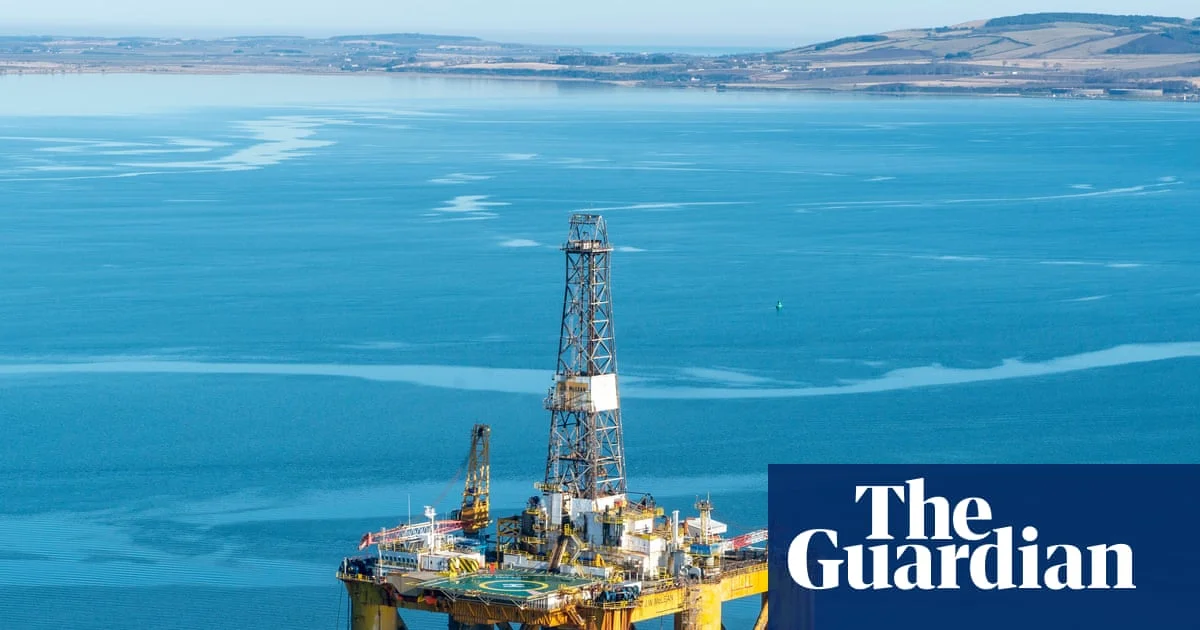
The UK’s North Sea oil and gas industry has launched a significant lobbying campaign directed at the Labour government, specifically targeting Andy Burnham’s reindustrialization agenda. As Britain prepares for a potential shift in energy policy, industry leaders have written to over 400 Members of Parliament, urging the approval of major projects like Rosebank and Jackdaw. They argue that domestic drilling is essential for energy security and the preservation of a skilled workforce that has powered the nation for decades. This move comes at a critical juncture where the government must balance its green energy promises with the immediate economic reality of high energy costs and industrial capability.
For global energy markets, this push represents a potential buffer against volatility in the Middle East. If the UK approves these projects, it signals a commitment to maintaining fossil fuel infrastructure even during a green transition, which could slightly ease long-term supply concerns. However, critics argue that such moves undermine international climate commitments. For the Iranian reader, any increase in Western domestic production indirectly influences the global price floor for crude oil, potentially dampening the leverage of OPEC+ nations in the long run as Western energy independence becomes a renewed priority.

Escalation in the Strait: IRGC Downs US MQ1 Drone
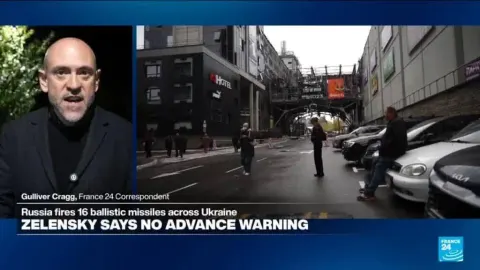
Tensions in the Persian Gulf have reached a new flashpoint this hour as the Islamic Revolution Guards Corps (IRGC) Aerospace Force reported the destruction of a US MQ1 surveillance drone in the Strait of Hormuz. This incident follows a series of maritime frictions and occurs amidst a backdrop of heightened regional instability. The IRGC has characterized the move as a defensive necessity, while the incident further complicates the already fragile security situation in one of the world's most vital maritime chokepoints. This development coincides with reports from Iranian state media that Tehran has officially complained to the UN Security Council regarding what it calls repeated US violations of the Islamabad Memorandum of Understanding.
The strategic implications of this shoot-down are profound. The Strait of Hormuz remains the primary artery for global oil transit, and any direct military confrontation involving high-end surveillance technology like the MQ1 suggests a thinning of the diplomatic buffer between Washington and Tehran. Markets are watching closely; while the USD/IRR remained stable at 181,200 Toman, the Emami gold coin rose from 177,000,000 to 179,000,000 Toman (+1.1%), reflecting a localized flight to safety. The persistent friction in these waters ensures that the 'geopolitical risk premium' remains baked into energy prices and local currency expectations.
---
US Government Moves $297 Million in Seized Crypto Assets
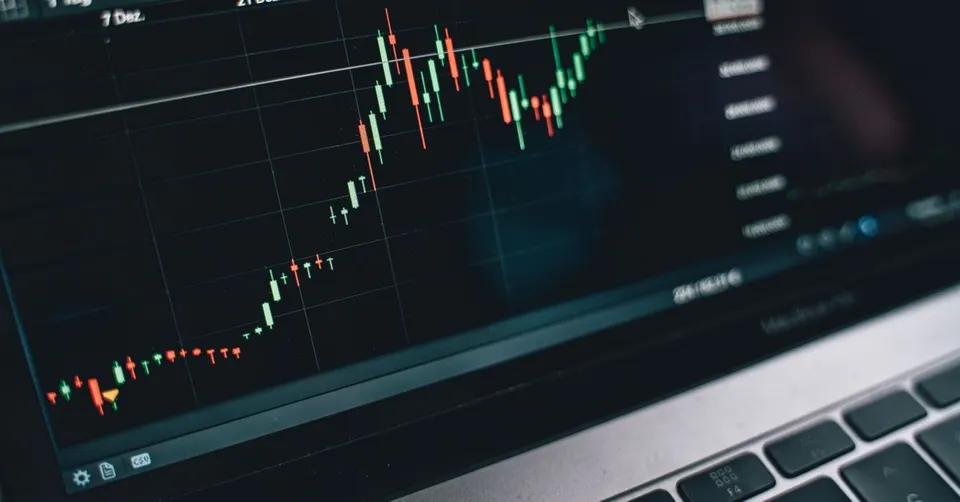
In the digital asset space, the US government has made a massive movement of funds, transferring approximately $297 million worth of seized Bitcoin and Ether to Coinbase Prime. While such transfers do not always result in an immediate sale, they are frequently viewed by traders as a precursor to liquidation. This move has raised questions regarding previous political pledges about establishing a national Bitcoin reserve, as the optics of a large-scale transfer to an exchange typically signal a readiness to sell. Bitcoin is currently trading at $62,618, and market participants are bracing for potential volatility if these coins hit the open market.
This institutional-scale movement highlights the immense power government-held wallets have over the crypto market. Interestingly, while the government moves hundreds of millions, the "solo miner" phenomenon continues to grow, with a recent report showing a solo miner netting $200,000 using modest equipment. For Iranian investors, who often use Tether (USDT) as a hedge against Toman volatility—with USDT currently at 182,800 Toman—the health of the global Bitcoin market remains a critical indicator of broader liquidity. If the US government proceeds with a sale, it could trigger a short-term correction that would ripple through local exchange rates.
The Ahmadinejad Files: A Failed Regime-Change Narrative
A recent investigative report has brought to light a bizarre and failed plan that allegedly sought to install former president Mahmoud Ahmadinejad as a key figure in a regime-change scenario for Iran. The story, which reads like a geopolitical thriller, involves various international actors and highlights the persistent, though often misguided, attempts by external entities to influence Iranian domestic politics. While the plan ultimately went nowhere, its exposure serves as a reminder of the complex layers of intelligence and political maneuvering that define the relationship between Iran and the West.
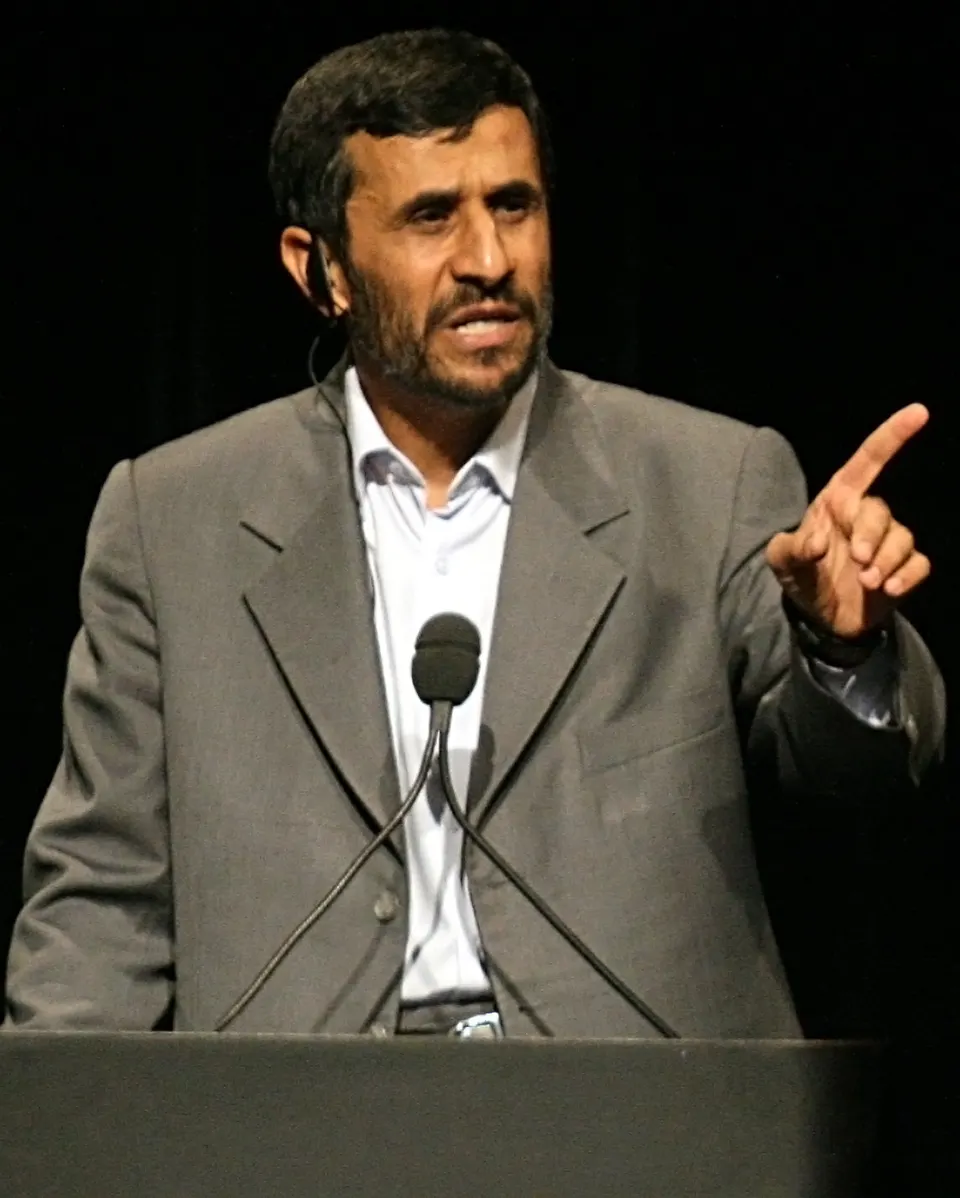
This revelation is particularly striking given Ahmadinejad's own shifting political identity within Iran over the last decade. For the average citizen, such stories often reinforce a sense of skepticism toward both foreign intervention and internal political narratives. While this specific plot failed, the fact that such discussions reached high levels of planning indicates the level of desperation or ambition held by certain factions looking to reshape the regional order. It underscores the reality that beyond the daily fluctuations of the Toman or the price of gold, there are deep-seated structural tensions that continue to drive the long-term instability of the Iranian economy.
Frequently Asked Questions
Why is the UK's decision on North Sea oil relevant to Iran?
What is an MQ1 drone and why was its downing significant?
Does the US government moving Bitcoin to Coinbase mean a crash is coming?
Why the Strait of Hormuz Is a Critical Chokepoint for Global Energy Security
The Strait of Hormuz, a narrow waterway between Oman and Iran, is one of the world’s most vital maritime chokepoints. Roughly 20% of global oil consumption and a similar share of petroleum products pass through this 21‑mile-wide strait each day. Its strategic importance means that any disruption—whether from geopolitical tension, military incidents, or piracy—can instantly ripple through international oil markets, affecting prices and supply chains far beyond the Middle East.
Geopolitical actors have long recognized the strait’s leverage. Iran’s Islamic Revolutionary Guard Corps (IRGC) has repeatedly threatened to close or block the passage in response to sanctions or perceived aggression, using tactics ranging from naval mines to drone attacks. The recent downing of a U.S. MQ‑9 drone by the IRGC underscores how quickly a localized military encounter can raise concerns about the continuity of oil flows, prompting market participants to hedge against potential supply shocks.
The vulnerability of the Hormuz corridor also shapes the broader concept of energy security, which refers to the uninterrupted availability of energy at affordable prices. Nations diversify their energy sources and routes—investing in pipelines, alternative shipping lanes, and strategic petroleum reserves—to mitigate the risk of a single point of failure. The North Sea oil fields, for example, provide a European supply buffer that reduces reliance on Middle Eastern oil, illustrating how regional production can enhance global resilience.
Understanding the dynamics of the Strait of Hormuz helps explain why events there trigger swift reactions in financial markets, including sudden moves in currencies tied to oil‑exporting economies and even crypto assets used for rapid cross‑border transfers. For policymakers and investors alike, monitoring this chokepoint is essential for anticipating price volatility and safeguarding energy‑dependent economies.