Hormuz on Edge: US Strikes Iran for Third Night, Tanker Attacks Fuel Oil Surge and Global Market Jitters
تنش در هرمز: سومین شب حملات آمریکا به ایران، حمله به نفتکشها قیمت نفت را افزایش داد و بازارهای جهانی را نگران کرد
Overnight, the Middle East plunged deeper into crisis as the US launched its third night of strikes against Iran, coupled with claims of Iranian attacks on tankers in the Strait of Hormuz. This dangerous escalation has sent oil prices soaring and cast a shadow of uncertainty over global markets, impacting everything from shares to Bitcoin.
At time of publishing
USD
181,200
Toman
Gold 18K
17.64M
Toman / gram
Bitcoin
$62,645
US Dollar
Tether
182,399
Toman
Market Open
As Tehran awakens, the financial landscape presents a mixed picture, heavily influenced by escalating global tensions. The US Dollar against the Iranian Rial remains steady at 181,200 Toman, showing no change in the last 24 hours. Similarly, the price of 18k gold per gram held firm at 17,637,010 Toman, indicating a pause in local precious metal movements despite the broader geopolitical currents.
However, the Emami coin saw a notable uptick, rising by 1.1% to reach 179,000,000 Toman. This divergence suggests that while some assets remained stable, certain segments of the market, particularly physical gold coins, are reacting to underlying investor sentiment or local demand shifts. Globally, Bitcoin is holding relatively flat at $62,645, grappling with the twin pressures of Middle East instability and persistent rate hike fears, as investors seek clarity amidst the uncertainty.

Strait of Hormuz Ignites Global Alarm
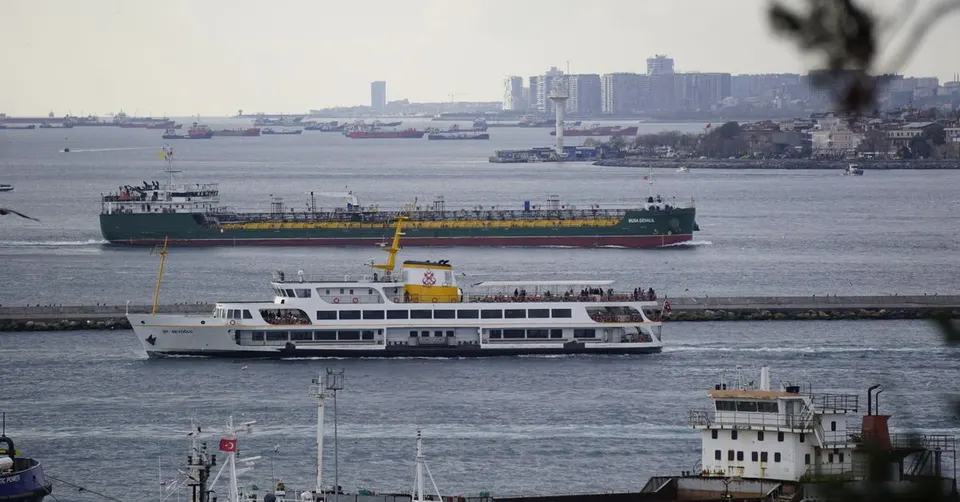
The Middle East has plunged deeper into crisis overnight, with the United States launching its third consecutive night of strikes against Iran. This marks a concerning return to open conflict, amplifying fears of a broader regional conflagration. The escalation was further underscored by claims from the UAE, stating that Iranian cruise missiles had struck two oil tankers transiting the vital Strait of Hormuz, resulting in one fatality and eight injuries. This direct targeting of maritime traffic in a crucial global chokepoint signals a dangerous new phase in hostilities.
President Trump has not only authorized these strikes but also announced a new maritime blockade, threatening a 20% fee on cargo shipped through the Strait of Hormuz. This move is a direct challenge to international shipping norms and is designed to exert maximum economic pressure on Tehran. The implications of such a blockade are profound, threatening to choke off a significant portion of global oil supplies and destabilize energy markets worldwide. The international community watches with bated breath, concerned that these actions could spiral out of control.
Global Markets Brace for Impact
The renewed conflict in the Strait of Hormuz has sent immediate ripples across global financial markets, with oil prices surging dramatically. Brent Crude prices have hit a one-month high, jumping 12% since Friday alone, as the market grapples with a significant "war risk premium." The prospect of disrupted oil flows through the Strait, responsible for roughly a fifth of the world's crude, has investors scrambling, pushing energy prices upwards and signaling potential inflationary pressures ahead. This abrupt shift reverses weeks of calmer trade, underscoring the fragility of global supply chains.
Beyond oil, the broader market reaction reflects deep-seated anxieties. Bitcoin, often seen as a hedge against traditional market instability, remained largely flat at $62,645, as investors weighed the escalating Iran tensions against ongoing concerns about interest rate hikes. Meanwhile, global shares have started to slump, with economists in Australia, for instance, warning that continued airstrikes and surging oil prices could necessitate a fourth interest rate rise this year. This indicates a tightening of monetary policy in response to geopolitical shocks, potentially slowing economic growth worldwide.
Economic Ripple Effects and Inflationary Pressures
The escalating tensions in the Middle East and their immediate impact on oil prices are poised to unleash significant economic ripple effects globally. Higher energy costs directly translate to increased operational expenses for businesses, from transportation and manufacturing to agriculture, which will inevitably be passed on to consumers. This inflationary pressure comes at a time when many economies are still contending with the aftermath of previous crises and struggling to bring inflation back to target levels. Central banks, which have been cautiously optimistic about easing monetary policy, may now face renewed pressure to maintain or even tighten rates further.
For ordinary citizens, particularly in countries like Iran already navigating economic complexities, the global surge in oil prices and the threat of a Hormuz blockade could have tangible consequences. While Iran is an oil producer, international sanctions severely limit its ability to fully benefit from rising global prices or participate freely in global trade. Instead, the instability could lead to further import cost increases, supply chain disruptions, and a general erosion of economic confidence, making daily life more challenging. The interconnectedness of global finance means that even seemingly distant conflicts can directly influence local purchasing power and market stability.
Frequently Asked Questions
What is the Strait of Hormuz and why is it so critical to global trade?
How do US military strikes and a potential maritime blockade in Hormuz impact global oil prices?
What are the direct consequences for Iranian citizens from this escalation, beyond market fluctuations?
Why did the Emami coin rise while USD/IRR and gold gram remained flat in the local market?
How might global interest rates be affected by these escalating tensions and rising oil prices?
Understanding Geopolitical Risk and its Impact on Global Energy Markets
Geopolitical risk refers to the likelihood and potential impact of political decisions, instability, or conflicts in one region affecting economic activity and markets globally. It encompasses a wide array of factors, from armed conflicts and international sanctions to political coups and significant policy shifts. These events introduce uncertainty, disrupt trade routes, alter supply chains, and can significantly influence investor sentiment, leading to volatility across various asset classes, from commodities to stocks and even cryptocurrencies.
The Strait of Hormuz stands as a quintessential example of a critical global choke point where geopolitical risk frequently manifests with immediate and far-reaching economic consequences. This narrow waterway, situated between Iran and Oman, is the world's most important oil transit point, through which roughly one-fifth of global oil consumption passes daily. Any threat or actual disruption to shipping in the Strait, whether from military action, piracy, or political tensions, immediately triggers concerns about global oil supply.
When geopolitical tensions escalate around the Strait of Hormuz, as seen with recent tanker attacks and regional conflicts, the immediate market reaction is often a surge in crude oil prices. This isn't merely due to actual supply disruptions but also reflects a "risk premium" that traders build into prices, anticipating potential future shortages. Higher oil prices then ripple through the global economy, increasing transportation costs, manufacturing expenses, and ultimately contributing to inflationary pressures that can erode purchasing power and necessitate responses from central banks, such as adjustments to interest rates.
Beyond oil, heightened geopolitical risk creates broader market jitters, impacting investor confidence and often leading to a flight to perceived safe-haven assets like gold, or in some cases, even influencing the volatile cryptocurrency markets as investors seek alternative stores of value. The interconnectedness of the global economy means that a localized conflict in a strategically vital region can quickly translate into widespread economic instability, demonstrating the profound and complex relationship between politics, geography, and global financial health.