Houthi Missiles Hit Saudi as Trump Proposes Hormuz Toll Amidst Tanker Attacks; Oil Surges, Toman Weakens
حملات موشکی حوثیها به عربستان همزمان با پیشنهاد ترامپ برای عوارض هرمز؛ نفت اوج گرفت، تومان تضعیف شد
Regional tensions in the Middle East have dramatically escalated, with Houthi rebels striking Saudi Arabia and former President Trump proposing a controversial toll on Strait of Hormuz shipping after Iranian missile attacks on UAE tankers. These developments have sent global oil prices soaring and exerted further pressure on the Iranian Toman and domestic asset prices.
At time of publishing
USD
184,000
Toman
Gold 18K
17.85M
Toman / gram
Bitcoin
$62,612
US Dollar
Tether
184,198
Toman
Houthi Missiles Strike Saudi Arabia Amidst Regional Escalation
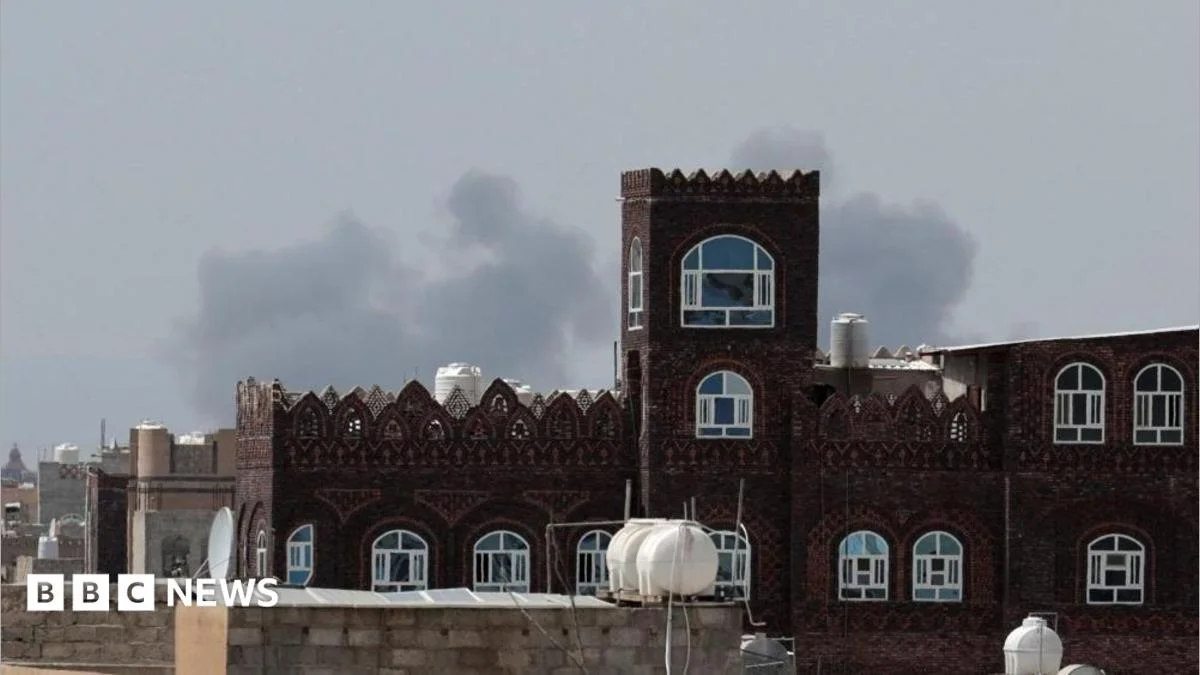
The volatile situation in the Middle East intensified significantly today as Yemen's Iran-backed Houthi rebels launched missile attacks targeting Saudi Arabia's Abha airport. This aggressive move comes as a direct retaliation for recent Saudi-led coalition airstrikes on Sanaa airport, the capital of Yemen, which the Houthis control. The exchange underscores the dangerous tit-for-tat dynamic that continues to destabilize the region, with Saudi Arabia and its allies engaged in a prolonged conflict against the Houthi movement, which receives support from Tehran.
This latest escalation highlights the complex web of proxy conflicts in the Middle East, where regional powers often confront each other indirectly. The Houthis' ability to strike strategic targets within Saudi Arabia demonstrates their persistent military capabilities and their willingness to respond forcefully to perceived aggressions. For Iranian readers, this ongoing regional instability is a critical concern, as it directly impacts geopolitical tensions that can influence currency stability, trade routes, and the overall economic outlook, especially given Iran's widely reported links to the Houthi movement.
Trump Proposes Hormuz Toll as Iranian Missiles Hit UAE Tankers
Compounding the regional instability, former President Trump announced a controversial plan to impose a 20 percent toll on all cargo transiting the Strait of Hormuz. This declaration comes amidst a third consecutive night of US strikes on Iran and follows alarming reports of Iranian cruise missiles hitting two UAE oil tankers in the southern lane of the Strait of Hormuz. The attack on the tankers tragically resulted in the death of an Indian crew member and wounded eight others, including four seriously, according to UAE authorities. This development marks a dramatic shift in US policy, as previous administrations, including Trump's own, have maintained that such fees violate international maritime law guaranteeing free navigation.
The proposed toll, if implemented, would represent a significant escalation in the economic pressure on Iran and a direct challenge to the principle of free passage through one of the world's most vital maritime chokepoints. Iran, which controls a significant portion of the Strait, has historically viewed any external attempts to regulate or levy charges on its waters as an infringement on its sovereignty. For the global economy, this could translate into substantially higher shipping costs, increased insurance premiums for vessels, and further disruptions to the supply chain of crude oil, which heavily relies on the Strait for transit. The immediate consequence for Iranian citizens would be the potential for further economic isolation and increased pressure on the national currency as trade becomes more challenging and costly.
Oil Market Surges, Domestic Prices Follow Amidst Escalation
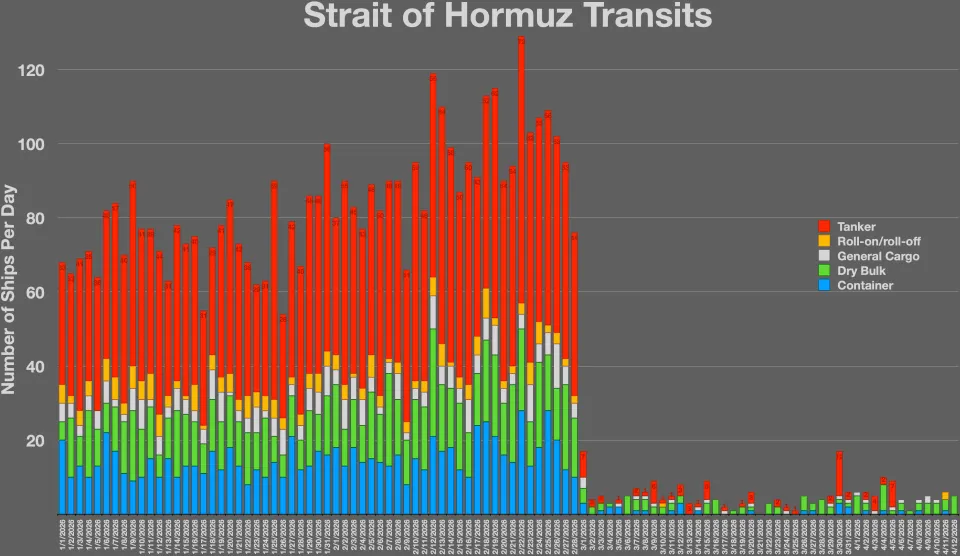
The immediate and significant market reaction to these escalating tensions was evident in the surge of global oil prices. Brent crude soared by over 3% to breach the $86 per barrel mark, while West Texas Intermediate (WTI) crude topped $80 per barrel for the first time in a month. This represents the largest two-day percentage gain in four months for both benchmarks, driven by heightened concerns over supply disruptions from the Middle East, particularly the Strait of Hormuz, a critical transit point for a significant portion of the world's oil supply. The attacks on tankers and the threat of a US-imposed toll have injected a substantial geopolitical risk premium into oil prices.
Domestically, the impact of these global movements is already being felt. The USD/IRR exchange rate moved from 181,200 to 184,000, registering a notable increase of +1.5% over the last 24 hours. Similarly, the price of Gold 18k/gram rose from 17,637,010 to 17,847,084 Toman (+1.2%), and the Emami coin saw an increase from 177,000,000 to 179,500,000 Toman (+1.4%). These domestic price hikes are a direct reflection of both the rising global commodity prices and the increased uncertainty surrounding the regional geopolitical landscape, which often translates into a flight to hard assets and foreign currency as a hedge against inflation and economic instability for Iranian citizens.
Crypto Markets Muted Despite Geopolitical Turmoil
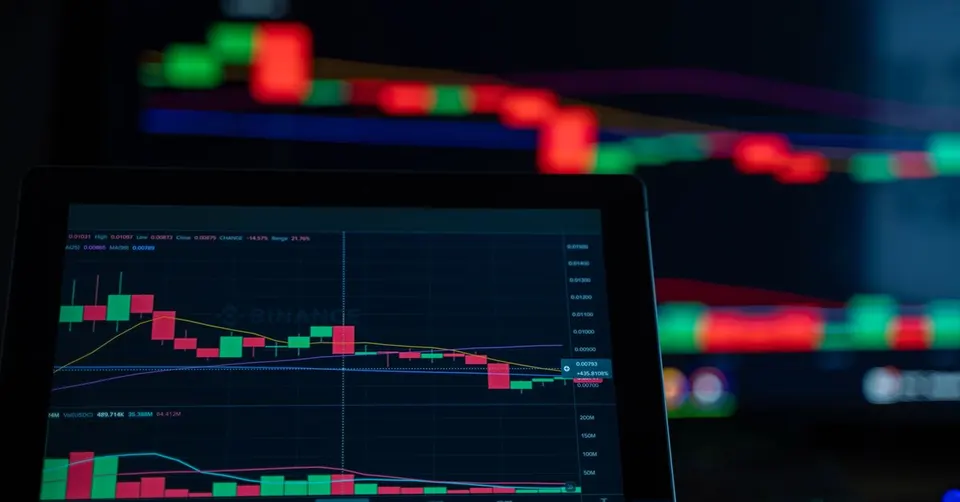
While traditional commodities like oil and gold reacted sharply to the Middle East's escalating tensions, the cryptocurrency market presented a more muted picture. Bitcoin remained largely pinned around the $62,612 mark, with market participants carefully assessing the dual impact of geopolitical instability and ongoing concerns about interest rate trajectories. This suggests that while crypto is sometimes touted as a "digital safe haven," its price action is currently more influenced by broader macroeconomic sentiment and the perceived risk-on/risk-off environment. The lack of a decisive upward move in response to traditional market turmoil indicates a complex interplay of factors restraining significant rallies.
Further influencing the crypto landscape, the U.S. government made a notable move, transferring over $288 million in seized Bitcoin and Ether to Coinbase Prime. Such large transfers from government wallets, often linked to past enforcement actions, can introduce temporary selling pressure or at least create uncertainty among traders, although these assets are typically liquidated over time rather than in a single dump. For Iranian investors, while the direct impact of these US government transfers might be limited, the overall global crypto sentiment, combined with the local USDT (Toman) rate holding firm at 184,198, underscores the persistent demand for stable digital assets amidst domestic economic pressures and currency volatility.
Watch
Houthis launch missiles at Saudi Arabia, in retaliation for Sanaa airport strikes • FRANCE 24
FRANCE 24 English
Frequently Asked Questions
What is the significance of the Strait of Hormuz in the current conflict?
How do Houthi attacks on Saudi Arabia relate to the broader US-Iran tensions?
What are the potential economic impacts of Trump's proposed Hormuz toll?
Why are oil prices reacting so strongly to these regional developments?
How does the ongoing conflict in the Middle East affect the Iranian economy and currency?
The Strait of Hormuz: A Global Energy Chokepoint and Geopolitical Flashpoint
The Strait of Hormuz, a narrow waterway connecting the Persian Gulf to the open ocean, is arguably the world's most critical energy chokepoint. Located between Oman and Iran, it is just 21 nautical miles (39 kilometers) wide at its narrowest point, with the shipping lanes themselves only two miles wide in each direction. This seemingly small passage holds immense global significance because an estimated one-fifth of the world's total oil consumption and a substantial portion of its liquefied natural gas (LNG) transit through it daily, making it indispensable for global energy supply.
Its economic importance cannot be overstated. Any disruption, threat, or proposed levy on shipping in the Strait can send immediate shockwaves through international energy markets. The sheer volume of oil and gas passing through means that even minor incidents or heightened geopolitical tensions can lead to significant spikes in crude oil prices, impacting economies worldwide. Nations heavily reliant on these energy imports, as well as those exporting through the Strait, are acutely vulnerable to its stability.
Geopolitically, the Strait of Hormuz is a frequent flashpoint, particularly given the historical tensions between Iran and the United States, as well as broader regional conflicts. The headline's mention of Houthi attacks, Saudi Arabia, and the proposed "Hormuz toll" by the US administration underscores how this waterway becomes a central stage for international power dynamics and security concerns. Threats to navigation, whether from military actions, piracy, or political maneuvering, are perceived as direct threats to global economic stability.
The immediate economic consequences of instability around Hormuz are evident in market reactions. When tensions rise, oil prices surge as traders anticipate potential supply disruptions. Concurrently, currencies in countries perceived to be at higher risk, such as the Iranian Toman (USD/IRR), often weaken significantly. This reflects investor flight from perceived risk and a loss of confidence in regional economic stability, demonstrating the profound and far-reaching impact of this vital maritime artery on global finance and trade.