Europe's Ukraine Unity Sidelines Iran; Oil Surges on Hormuz Tensions, Toman Rises
اتحاد اروپا بر سر اوکراین، ایران را به حاشیه میراند؛ نفت با تنشهای هرمز افزایش مییابد، تومان صعودی
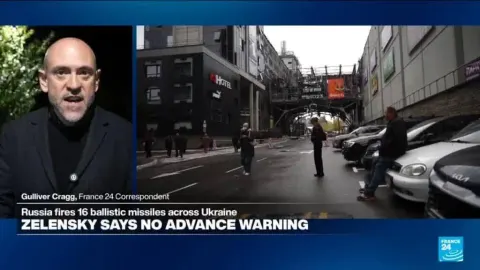
European leaders showcased unity on Ukraine during Bastille Day, yet their stance on Iran remains largely on the sidelines, leaving US policy dominant. Meanwhile, escalating US-Iran clashes have sent Brent crude oil prices soaring, intensifying global inflation concerns and impacting Asian oil importers' strategies. Domestically, the Iranian Toman and gold markets have seen notable upticks amidst regional and global shifts.
At time of publishing
USD
183,900
Toman
Gold 18K
17.83M
Toman / gram
Bitcoin
$62,784
US Dollar
Tether
184,001
Toman
Europe's Unity on Ukraine Contrasts with Iran Stance
European leaders, spearheaded by French President Emmanuel Macron, utilized the annual Bastille Day parade in Paris as a powerful display of collective strength and unity, particularly in their unwavering support for Ukraine. Soldiers from the 'Coalition of the Willing' and Ukraine itself took center stage, signaling a more assertive and cohesive European geopolitical posture. This grand spectacle was intended to project an image of a continent increasingly capable of independent action and robust defense, moving beyond past hesitations.
However, this newfound European assertiveness appears to have distinct geographical limits, particularly concerning Iran. Despite the rhetorical muscle-flexing in Ukraine, a critical assessment suggests that Europe largely remains a bystander in shaping policy towards Tehran, often deferring to Washington's lead. This continued reliance on American foreign policy means that while Europe may be gaining a stronger voice on its eastern flank, its capacity or willingness to independently engage with, or exert significant pressure on, Iran remains constrained. For Iranian citizens, this implies that the trajectory of sanctions, trade relations, and broader regional stability will likely continue to be dictated primarily by US policy, directly influencing the value of the Toman and the broader economic outlook.
Oil Prices Jump as US-Iran Clashes Intensify
The global energy market reacted sharply to a third night of US military strikes against Iran, sending Brent crude oil prices surging. The international benchmark for oil climbed by as much as 4.6% on Tuesday, reaching $87.08 a barrel, its highest level in over a month. This significant jump reflects the immediate geopolitical risk premium being priced into crude, as escalating tensions in the Middle East directly threaten vital oil supply routes, most notably the Strait of Hormuz, a chokepoint for a substantial portion of the world's oil trade.
The implications of these rising oil prices extend far beyond the energy sector, fueling global inflation concerns and leading analysts to price in higher interest rate expectations, particularly in Europe. The prospect of central banks, like the Bank of England, implementing further quarter-point rate rises by year-end is now more pronounced, aiming to curb inflationary pressures exacerbated by expensive energy. For Iranian readers, this translates into a heightened sense of regional instability and potential for further economic isolation through sanctions, even as any oil exports Iran manages might fetch higher prices. The direct impact on currency expectations, trade dynamics, and the cost of imported goods is substantial, contributing to domestic inflationary pressures.
Iran Reaffirms Stance on Hormuz Strait Rights Amidst Tensions
Amidst the backdrop of escalating US-Iran tensions and renewed threats to maritime security, Iran's Army spokesperson, Brigadier General Mohammad Akraminia, issued a strong statement reaffirming the Islamic Republic's unwavering position on its rights in the Strait of Hormuz. Akraminia declared that the Iranian Armed Forces would not make the slightest compromise over the strategic waterway, emphasizing that the only path to reopening the strait for uninterrupted global trade is for the United States to respect the rights of the Iranian nation and comply with the terms of the Iran-US memorandum ending the war. This declaration underscores Iran's perceived sovereignty and strategic importance of the strait.
This assertive rhetoric from a high-ranking military official is not merely symbolic; it serves to reinforce the perception of elevated risk in one of the world's most critical shipping lanes. Such statements, especially when coupled with ongoing military actions, contribute directly to the geopolitical risk premium that affects global oil prices, shipping insurance costs, and overall supply chain stability. For the international community, it signifies continued confrontation and a potential impediment to free navigation. For Iranians, it reflects the regime's consistent stance on national security and sovereignty, yet also highlights the ongoing state of tension that directly impacts economic stability, trade prospects, and the daily lives of citizens who face the consequences of a volatile regional environment.
Asian Oil Importers Pivot to US Supplies as Hormuz Risks Intensify
The re-escalation of US-Iran tensions and the heightened risks associated with transit through the Strait of Hormuz are prompting a significant shift in global oil trade patterns. Asian refiners, who had anticipated a recovery of flows through the strategic waterway, are now reportedly pivoting back to purchasing spot cargoes of US crude oil. This reversal comes as the expected normalization of shipping routes through the Persian Gulf has ground to a halt, making the alternative of American supplies a more reliable, albeit potentially more expensive, option.
This strategic pivot by major Asian buyers, as reported by Bloomberg citing unnamed executives and traders, highlights the tangible and immediate impact of regional instability on global energy security. Increased demand for US crude can influence global oil benchmarks, shift shipping routes, and potentially lead to higher freight costs as tankers travel longer distances. For Iran, this development is particularly concerning, as it suggests a reduced market for its oil, even if it manages to circumvent sanctions and export. Major buyers are seeking more stable and predictable supply lines, further impacting Iran's already constrained economy and limiting its ability to leverage its oil resources on the international market.
Global Market Snapshot: Toman and Gold Rise, Bank of America Dips
In the domestic market, the Iranian Toman saw a notable increase against the US Dollar. The USD moved from 181,200 to 183,900 Toman, marking a +1.5% change over the last 24 hours. Similarly, the gold market showed upward momentum, with Gold 18k/gram rising from 17,637,010 to 17,828,616 Toman (+1.1%), and the Emami coin appreciating from 177,000,000 to 180,000,000 Toman (+1.7%). These movements reflect a complex interplay of regional geopolitical tensions, domestic economic factors, and potentially a flight to safe-haven assets amidst global uncertainty.
On the international stage, major US financial institutions are navigating a cautious market environment. Bank of America's stock, for instance, declined in pre-market trading despite the banking giant reporting a robust 15% jump in revenue year-on-year and beating earnings expectations. This counter-intuitive market reaction suggests that while corporate performance might be strong, broader investor sentiment remains influenced by macroeconomic headwinds, such as the prospect of higher interest rates globally and lingering concerns about economic growth. This cautious global outlook indirectly impacts the value of major currencies like the USD, which, in turn, can influence the Toman and gold prices as investors react to shifts in international capital flows and perceived risk.
Frequently Asked Questions
Why is Europe's stance on Iran described as being 'on the sidelines' despite its unity on Ukraine?
How do US-Iran clashes in the Middle East directly impact global oil prices and interest rates?
What does Iran's statement about its rights in the Strait of Hormuz signify for regional stability?
Why are Asian oil importers shifting away from the Strait of Hormuz to US supplies?
Despite strong earnings, why did Bank of America's stock fall, and what does this indicate about global markets?
The Strait of Hormuz: Global Oil's Critical Chokepoint
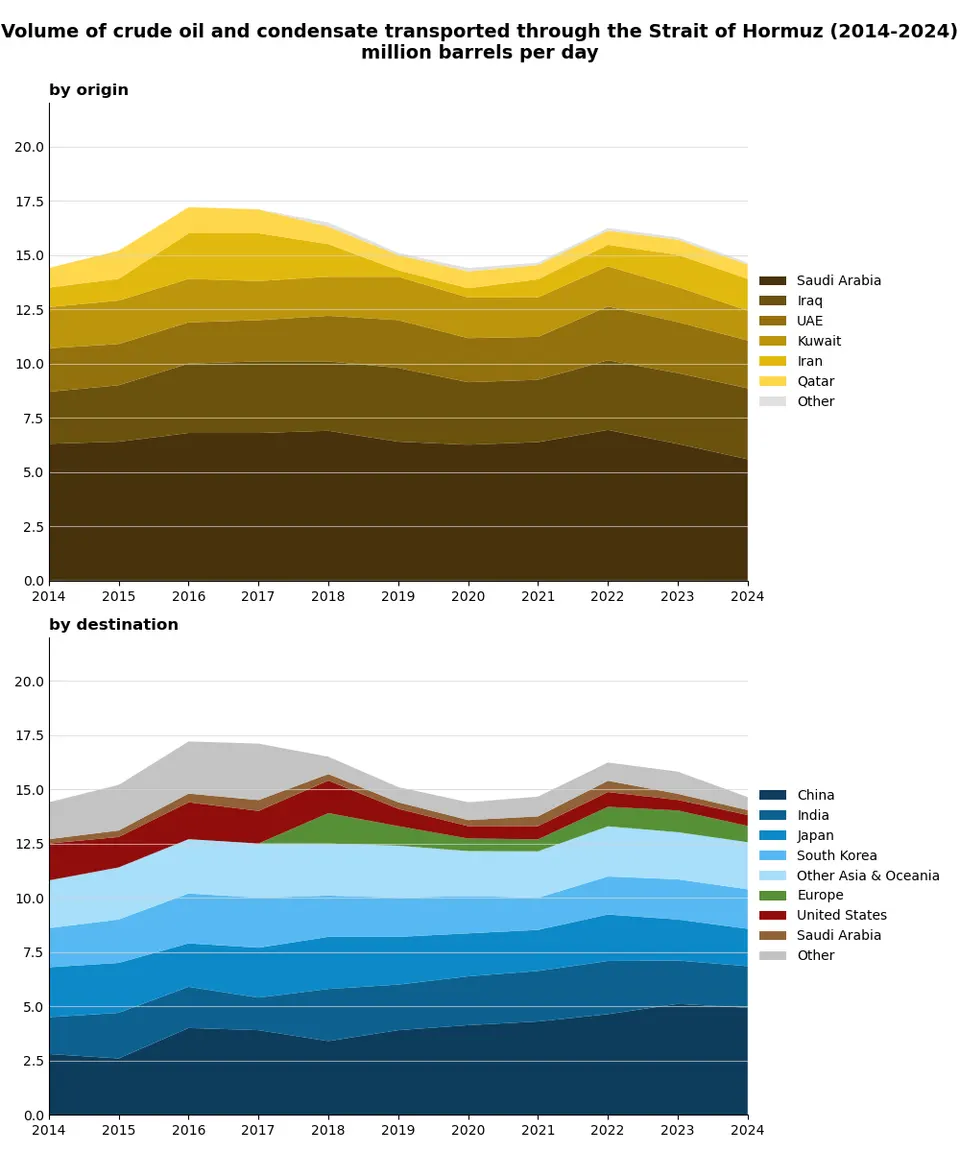
The Strait of Hormuz is one of the world's most strategically vital waterways, a narrow sea passage connecting the Persian Gulf to the Arabian Sea and the open ocean. For global energy markets, its importance cannot be overstated. Roughly one-fifth of the world's total petroleum consumption, and a significant portion of its liquefied natural gas (LNG), transits through this strait daily. Its geographical position makes it an indispensable conduit for oil exports from major producers like Saudi Arabia, Iran, Iraq, Kuwait, Qatar, and the UAE, destined for energy-hungry economies across Asia, Europe, and North America.
What makes the Strait of Hormuz a "chokepoint" is its inherent geographical constraint combined with the immense volume of trade it facilitates. At its narrowest point, the shipping lanes are only about 21 miles wide, with just two 2-mile-wide channels for inbound and outbound traffic, separated by a 2-mile buffer zone. This confined space means that any disruption, whether accidental or intentional, can have immediate and far-reaching consequences for global oil supply and prices. The sheer volume of crude oil and refined products passing through makes it exceptionally vulnerable to geopolitical tensions and military actions.
Historically, tensions involving Iran, which borders the Strait to the north, have frequently highlighted its fragility. Threats to disrupt shipping in response to sanctions or other geopolitical pressures have repeatedly sent shockwaves through international oil markets, causing prices to surge on fears of supply shortages. This vulnerability underscores why the Strait of Hormuz remains a focal point for international diplomacy and naval presence, as maintaining its free and safe passage is crucial for global economic stability and energy security. Understanding this chokepoint is key to grasping the dynamics of oil prices and regional geopolitics.