UK Parliament Pivots to Iran Crisis as Hormuz Tensions Push USD to 183,800 Toman
چرخش پارلمان بریتانیا به سمت بحران ایران؛ صعود دلار به ۱۸۳,۸۰۰ تومان در سایه تنشهای هرمز
The UK House of Commons has cleared its Tuesday schedule to debate the Iran crisis and vote on banning IRGC support, while the Toman continues its slide as US strikes hit Iranian port cities.
At time of publishing
USD
183,800
Toman
Gold 18K
17.94M
Toman / gram
Bitcoin
$63,436
US Dollar
Tether
183,602
Toman
UK Parliament Sideliner Domestic Policy for Iran Emergency
In a rare and significant shift of parliamentary business, the UK House of Commons has announced that it will set aside previously scheduled debates to focus entirely on the escalating situation in Iran. Alan Campbell, the Leader of the House, confirmed that a planned opposition day debate by the Conservative Party has been scrapped in favor of a general debate on the Middle East crisis. This move is not merely symbolic; it includes a critical vote on regulations that would effectively ban all forms of support for Iran’s Islamic Revolutionary Guard Corps (IRGC). This legislative pivot suggests that the British government views the current maritime and regional instability as a top-tier national security threat that necessitates immediate legal and diplomatic alignment with its allies.
The debate comes at a time when the UK’s own political culture is under scrutiny regarding accountability, but the sudden focus on Tehran indicates a coordinated Western effort to tighten the noose around the IRGC's financial and operational networks. For the Iranian public and markets, this signals a hardening of the European stance, moving beyond mere rhetoric toward a legal framework that could further isolate the Iranian economy. The timing is particularly sensitive as it coincides with reports of increased kinetic activity in the Persian Gulf, suggesting that the diplomatic and military tracks are now moving in lockstep.

Kinetic Escalation: Strikes on Bushehr and the 'Hormuz Toll'
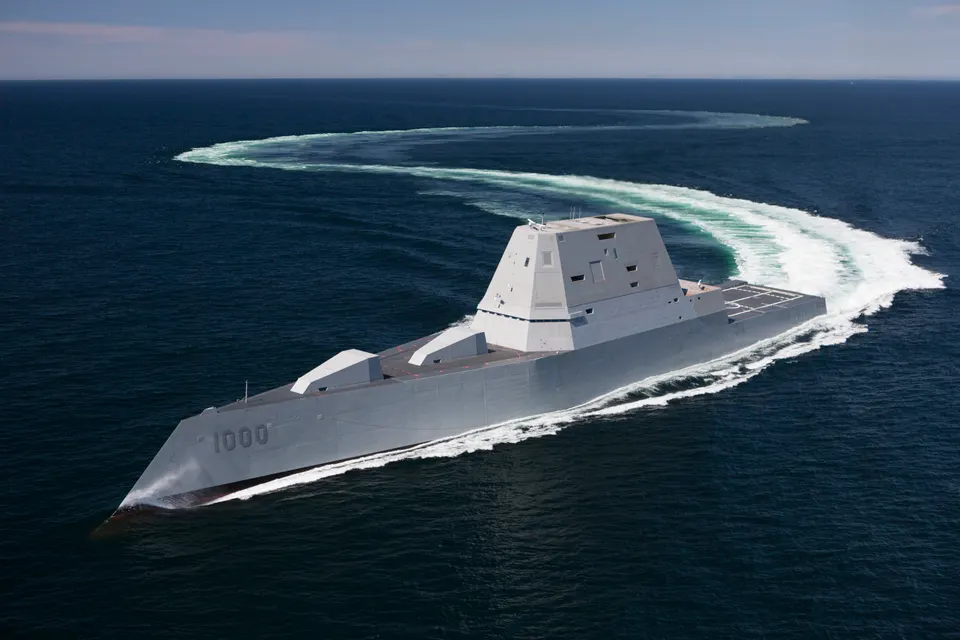
The physical conflict has entered a more dangerous phase as the United States launched its third consecutive night of strikes against Iranian targets. According to military reports, the operations focused on the strategic port cities of Bushehr and Bandar Abbas, aiming to degrade the capabilities used to target commercial shipping. These strikes were a direct response to the hitting of two UAE oil tankers in the Strait of Hormuz by what are claimed to be Iranian cruise missiles. The human cost is mounting, with reports of one crew member killed and eight others wounded, marking a departure from the previous 'shadow war' into a more overt and lethal confrontation.
Adding a layer of geopolitical complexity, Donald Trump has proposed a maritime blockade and a controversial 'toll' for ships seeking safe passage through the Strait of Hormuz. This rhetoric has sent shockwaves through global energy markets, as the prospect of a superpower-enforced toll on a primary international shipping lane challenges decades of maritime law. While the US claims these actions are meant to ensure security, the immediate effect has been a 3.2% surge in oil prices. For Iran, the strikes on its primary port infrastructure represent a direct challenge to its 'deterrence doctrine,' which Ambassador Kazem Jalali recently defended in Moscow, claiming that US aggression would result in a 'structural failure' for Washington.
Market Chaos: Toman Weakens as Gold Defies Global Trends
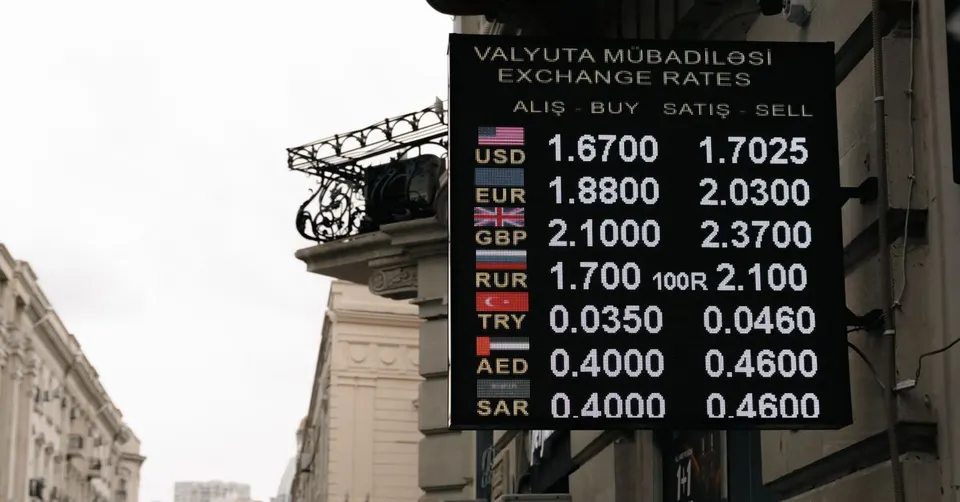
The domestic Iranian market is reacting sharply to the drumbeat of war. In the last 24 hours, the USD/IRR rate has moved from 181,200 to 183,800, representing a 1.4% depreciation of the Toman. This move is driven by a flight to safety as citizens and traders anticipate further escalations that could disrupt trade and lead to renewed sanctions. Interestingly, while global silver prices have dipped to late 2025 levels due to the intensity of the conflict, domestic gold prices in Iran are soaring. Gold 18k per gram rose from 17,637,010 to 17,937,116 (+1.7%), and the Emami coin followed suit, jumping to 180,000,000 Toman (+1.7%).
This domestic surge in gold occurs despite the international gold price sitting at $4,095.00 per ounce, highlighting that the primary driver for Iranian investors is not the global commodity cycle, but the rapid loss of purchasing power in the local currency. Simultaneously, the US June CPI report showed a 0.4% fall, which would normally cool interest rate hike expectations and potentially stabilize markets. However, the 'oil shock' triggered by the Hormuz crisis threatens to overwrite this cooling trend. If energy prices remain elevated due to the conflict, the fight against global inflation will be far from over, potentially leading to a prolonged period of high interest rates that will continue to pressure emerging market currencies like the Toman.
Ukraine’s Strategic Shift and Global Defense Trends
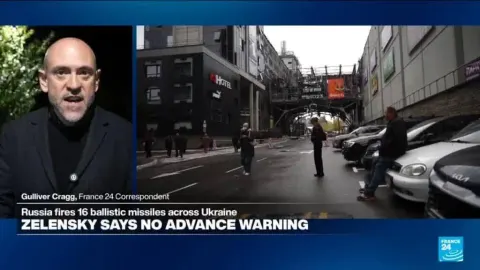
While the Middle East dominates the headlines, Ukraine is making significant strides in its own defense autonomy that could have long-term implications for regional conflicts. The Ukrainian firm Fire Point has announced its intention to develop an indigenous antimissile system, moving beyond its current reliance on Western-supplied Patriot batteries. This move is part of a broader trend where nations involved in high-intensity conflicts are seeking to 'insource' their high-tech defense needs to avoid being held hostage by foreign supply chains or political shifts in donor countries.
This development is particularly relevant to the Iranian context as it mirrors Tehran's own long-standing focus on domestic missile and drone production. As Ukraine successfully targets Russian territory with its own weapons, the global community is witnessing a democratization of high-precision strike and defense technology. For the Iranian reader, this underscores a world where regional powers are increasingly capable of independent military action, further complicating the traditional power dynamics managed by the US and its allies. The success or failure of Ukraine's domestic antimissile project will likely serve as a blueprint for other nations looking to bolster their sovereignty in an era of renewed great-power competition.
Frequently Asked Questions
Why did the UK Parliament change its schedule to debate Iran?
How did the Toman react to the strikes on Bushehr and Bandar Abbas?
What is the 'Hormuz Toll' mentioned by Donald Trump?
Why is Iranian gold rising while global silver prices are falling?
Understanding Strategic Choke Points: The Strait of Hormuz
A "strategic choke point" refers to a narrow geographical passage, such as a strait or canal, that is crucial for international trade, energy shipments, or military operations. These passages are strategically vital because their closure or disruption can have profound global economic and security consequences. The Strait of Hormuz, connecting the Persian Gulf to the Arabian Sea and the broader Indian Ocean, stands as perhaps the most critical maritime choke point in the world.
Its immense significance stems from the fact that a substantial portion of the world's seaborne oil and liquefied natural gas (LNG) transits through its waters daily. Countries bordering the Persian Gulf, including major oil producers like Saudi Arabia, Iran, Iraq, UAE, and Kuwait, rely almost entirely on the Strait of Hormuz for their energy exports. Any threat to navigation or actual disruption in this narrow waterway can immediately trigger spikes in global energy prices, destabilize international markets, and severely impact the supply chains of energy-dependent nations worldwide.
For states like Iran, whose economy is heavily reliant on oil exports, tensions in the Strait of Hormuz have direct and immediate economic repercussions. When geopolitical tensions escalate in or around the Strait, the perceived risk to oil shipments increases, often leading to a depreciation of the national currency (as seen with the Toman against the USD in the headline). This is because investors and markets anticipate potential disruptions to revenue streams and increased economic instability, reducing confidence in the local currency.
Beyond economics, the Strait of Hormuz is a constant flashpoint for geopolitical rivalries and military posturing. Its strategic importance ensures a significant naval presence from various global powers, all keen to safeguard freedom of navigation. Understanding the concept of a strategic choke point, particularly the Strait of Hormuz, is essential for grasping how regional conflicts can ripple across the globe, influencing everything from fuel prices to international diplomacy and national currency values.