Trump’s $5.6M Payout to Carroll as Hormuz Conflict Re-Escalates; Toman Hits 183,250
پرداخت ۵.۶ میلیون دلاری ترامپ به جین کارول همزمان با شعلهور شدن جنگ در هرمز؛ دلار به ۱۸۳ هزار تومان رسید
A Manhattan court has released $5.6 million to E. Jean Carroll following Donald Trump’s failed appeals, while a collapsing ceasefire in the Strait of Hormuz has pushed the Iranian Toman to new lows and global gas prices higher.
At time of publishing
USD
183,250
Toman
Gold 18K
17.93M
Toman / gram
Bitcoin
$64,528
US Dollar
Tether
182,803
Toman
The Legal Noose Tightens Around Trump
In a significant legal milestone, a Manhattan federal court has officially released more than $5.6 million to E. Jean Carroll. These funds, which had been held in an escrow account, represent the damages awarded to Carroll following her successful 2023 trial where a jury found Donald Trump liable for sexual abuse and defamation. The disbursement comes after the Supreme Court recently declined to hear Trump’s appeal, effectively ending his long-standing efforts to block the payment. For the former president, this is not just a financial blow but a symbolic defeat that underscores the mounting legal liabilities he faces as he navigates a high-stakes political season.
While $5.6 million might seem like a drop in the bucket for a billionaire, the timing and the finality of this court order suggest a weakening of Trump’s legal shield. His lead lawyer, Roberta Kaplan, noted that the unanimous jury verdict from three years ago has finally been fulfilled, marking a moment of accountability that his detractors have long awaited. For global observers and market speculators, these legal developments are closely watched as they influence the perceived stability and future policy direction of a potential second Trump administration, which many in Tehran believe would fundamentally alter the current sanctions regime.

Hormuz Ceasefire Collapses into Open Conflict
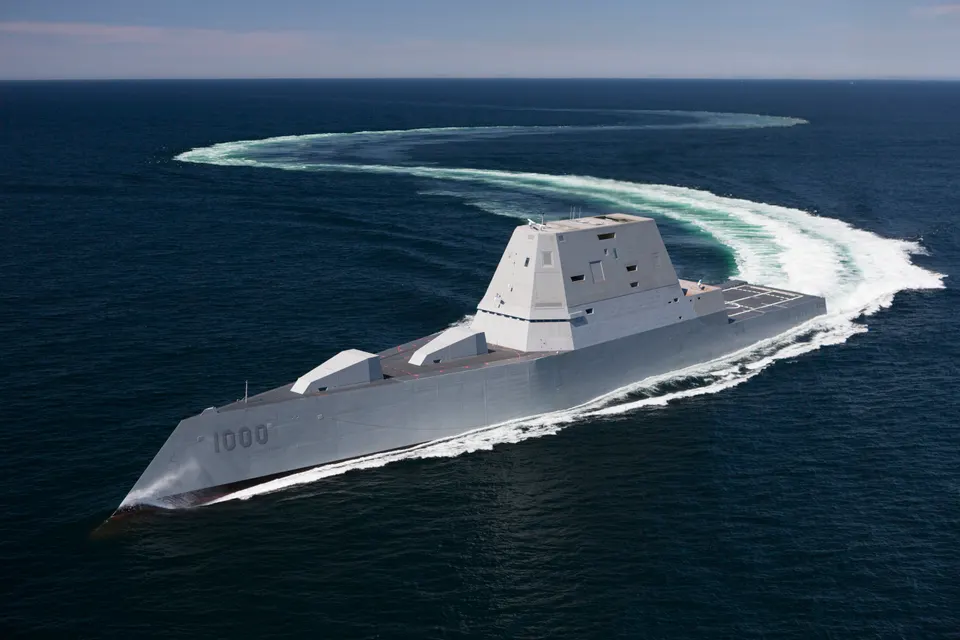
The fragile peace in the Middle East has shattered as the United States and Iran exchanged direct military strikes for the third consecutive day. Overnight reports indicate that American forces targeted multiple sites across the Islamic Republic, while Iran responded by firing ballistic missiles at U.S. airbases located in Jordan and Bahrain. This escalation marks one of the most dangerous periods in the region's recent history, moving beyond proxy skirmishes into a direct confrontation. President Trump has already ramped up the rhetoric, vowing to reinstate a total blockade of Iranian ports and suggesting a controversial plan to charge commercial vessels for safe passage through the Strait of Hormuz.
This military volatility has immediately spilled over into the global energy sector. U.S. gasoline prices rose this week for the first time since May, with the national average hitting $3.85 per gallon. Analysts point directly to the collapsed ceasefire as the primary driver, as the threat of a maritime blockade in the world’s most vital oil artery sends shockwaves through crude markets. The disruption is not merely a regional concern; it is a systemic threat to global supply chains that were already struggling with post-pandemic adjustments and existing geopolitical tensions.
Toman Under Pressure Amidst Global IPO Buzz
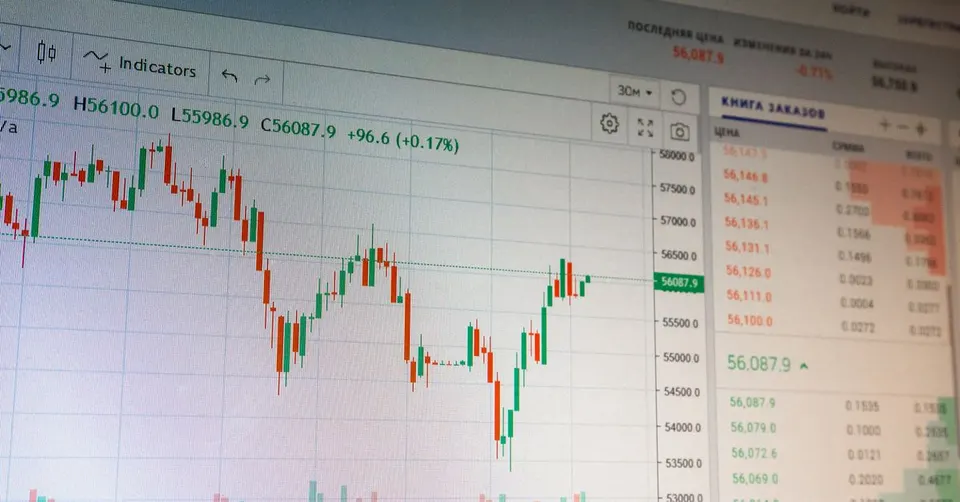
On the streets of Tehran, the geopolitical heat is being felt in real-time through the exchange rate. The Iranian Toman has weakened significantly, with the USD sell rate moving from 181,200 to 183,250 (+1.1%) in just 24 hours. The precious metals market is reacting even more aggressively; Gold 18k per gram rose from 17,637,010 to 17,925,573 (+1.6%), while the Emami coin surged from 177,000,000 to 181,000,000 (+2.3%). Investors are clearly fleeing to safe-haven assets as the "war of words" between Washington and Tehran turns into a kinetic exchange of missiles.
While the Middle East burns, the tech and financial sectors in the West are showing signs of divergent life. The data center firm Switch is reportedly tapping banks for an IPO that could value the company at a staggering $80 billion. This massive potential listing highlights the continued investor appetite for AI infrastructure, even as the broader geopolitical landscape remains fraught with risk. However, for the average Iranian consumer, these global corporate milestones are overshadowed by the immediate reality of soaring costs for basic goods and the looming threat of further economic isolation as the Strait of Hormuz crisis deepens.
The Strange Business of Political Influence
Adding a layer of absurdity to the current political climate, Louisiana rapper Boosie Badazz is reportedly seeking a $300,000 refund from a Washington D.C. lobbying firm. The rapper had paid $600,000 to JM Burkman & Associates in an attempt to secure a pardon from Donald Trump regarding a weapons conviction. The failure of this bid highlights the chaotic and often opaque nature of political influence-peddling in the U.S., particularly surrounding the former president’s legal and executive powers.
This story, while seemingly peripheral, reflects the broader uncertainty surrounding the American executive branch. Whether it is a rapper seeking a refund or a court releasing millions to a defamation victim, the legal and ethical controversies surrounding Trump continue to dominate the headlines. For international markets, this persistent domestic turmoil in the U.S. adds another layer of risk, as the predictability of American foreign policy remains tied to the personal and legal fortunes of its political leaders.
Frequently Asked Questions
Why is the $5.6M payout to E. Jean Carroll significant for the markets?
How has the collapse of the Hormuz ceasefire affected global oil prices?
Why did the Iranian Toman lose 1.1% of its value in just 24 hours?
What is the Switch IPO and why is it valued at $80 billion?
Understanding Iran’s Currency Crisis: How Sanctions and Geopolitics Drive the Rial’s Collapse
The Iranian rial has been on a relentless slide for years, but the combination of renewed military tension in the Strait of Hormuz and tighter U.S. sanctions in 2026 accelerated its depreciation to a historic low of 183,250 per US dollar. When a major foreign‑currency payout—such as the $5.6 million settlement to E. Jean Carroll—must be converted into rials, the market‑determined exchange rate determines how many rials the Iranian government must provide, putting additional pressure on an already strained foreign‑exchange market.
Iran’s official exchange rate is set by the Central Bank, but a parallel market (often called the “free market”) emerges when the official rate diverges sharply from supply‑and‑demand realities. Sanctions limit Iran’s ability to earn hard currency from oil exports, while the threat of naval clashes in Hormuz threatens the flow of the very commodity that funds the foreign‑exchange reserves. The result is a widening gap between the official rate and the free‑market rate, prompting businesses and households to turn to the black market for dollars, which pushes the rial even lower.
A depreciating rial triggers a cascade of domestic price spikes. Imported goods—most notably gasoline, which Iran still imports in part, and gold, a traditional hedge against inflation—become dramatically more expensive. The price of gasoline rose sharply in 2026, and gold prices in Tehran surged as Iranians scrambled to preserve wealth. At the same time, the government’s attempt to raise funds through large IPOs, such as the “Switch” IPO valued at 80 billion rials, can be undermined if investors fear that the currency will lose value before they can realize returns.
Understanding the mechanics of currency depreciation under sanctions helps explain why headlines about a $5.6 million payout, a Hormuz flare‑up, and soaring gasoline prices are all linked. The rial’s collapse is not merely a financial curiosity; it reflects the broader economic vulnerability that arises when a country’s primary export, its access to hard currency, and its political stability are simultaneously under pressure.