Trump Swaps Hormuz Tolls for Iranian Blockade as UK Moves to Ban IRGC Following 'Targeted Attack'
جایگزینی عوارض هرمز با محاصره دریایی ایران توسط ترامپ؛ بریتانیا در آستانه تروریستی اعلام کردن سپاه
President Trump has pivoted from a general shipping toll to a targeted maritime blockade of Iranian vessels, causing the Toman to drop 1.2%. Meanwhile, the UK Parliament is fast-tracking a vote to ban the IRGC following the suspicious death of a former minister.
At time of publishing
USD
183,400
Toman
Gold 18K
17.88M
Toman / gram
Bitcoin
$64,780
US Dollar
Tether
183,300
Toman
Trump’s Strategic Pivot: From Universal Tolls to Iranian Blockade
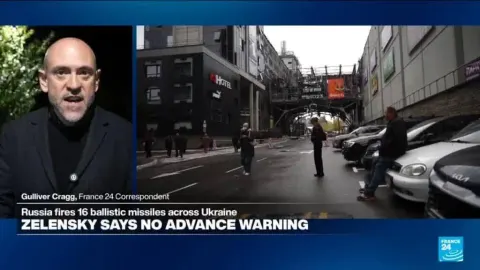
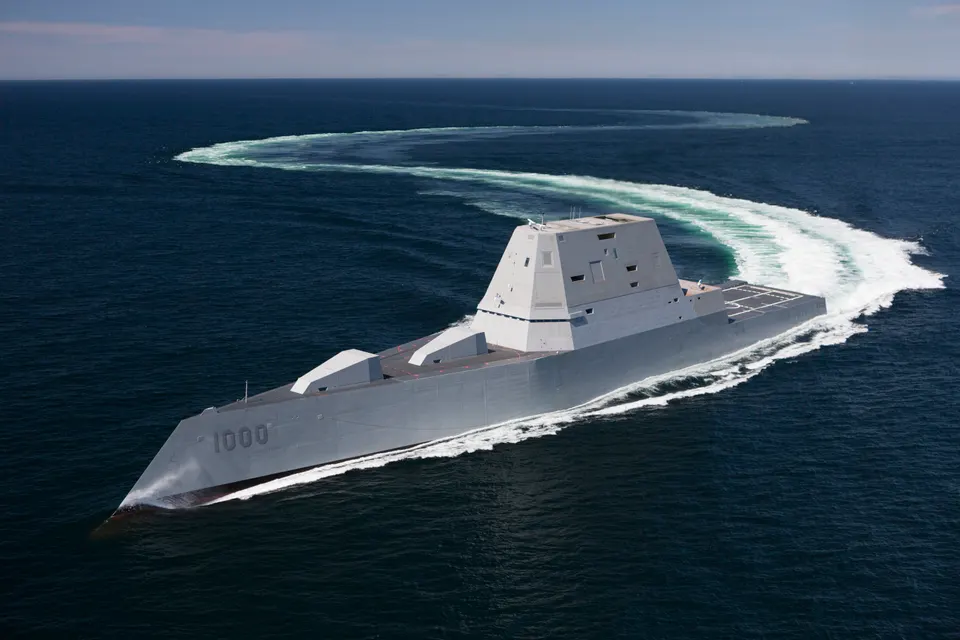
In a significant shift of strategy at 20:00 Tehran time, President Donald Trump has reportedly dropped his controversial threat to impose shipping tolls on all vessels passing through the Strait of Hormuz. Instead, the White House has announced a deal where Gulf states will provide "massive" investment into the U.S. economy in exchange for security. However, the reprieve does not extend to Tehran; Trump explicitly stated that the shipping route remains open for all except Iranian-flagged ships, effectively announcing a unilateral maritime blockade. This move is a tactical escalation intended to starve the Iranian regime of its remaining oil revenue while maintaining the support of regional allies who were previously bristling at the prospect of universal tolls. For the average Iranian citizen, this geopolitical maneuvering has immediate and painful consequences. The domestic currency market reacted sharply to the news of the blockade, with the USD selling price rising from 181,200 to 183,400 Toman, a 1.2% increase in just 24 hours. The market interprets the blockade as a precursor to even tighter supply constraints and a potential total halt of official oil exports. As the risk of a full-scale naval confrontation in the Persian Gulf looms, the Toman continues to lose ground, reflecting a deep lack of confidence in the regime's ability to navigate this renewed economic strangulation.
UK Parliament Shifts Focus to IRGC Ban After ‘Targeted Attack’
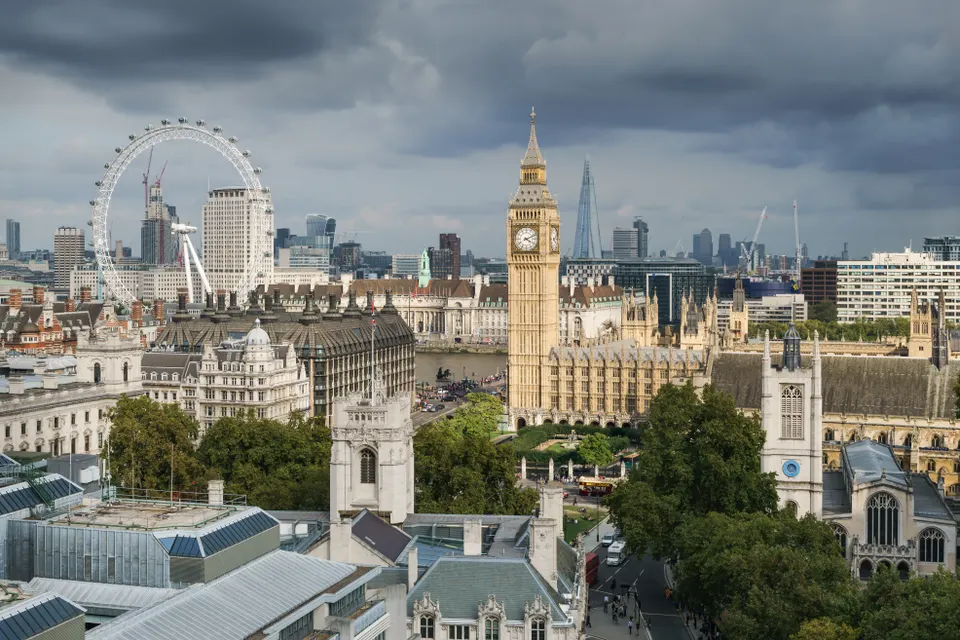
Across the Atlantic, the political climate in London has reached a boiling point. UK counter-terrorism police have characterized the killing of former government minister Ann Widdecombe as a "targeted attack," though the motive remains under investigation. This event has caused a dramatic shift in parliamentary business. Leader of the House Alan Campbell announced that Wednesday’s scheduled debates have been scrapped in favor of an emergency general debate on the situation in Iran. Crucially, the government will hold a vote on regulations to formally ban support for the Islamic Revolutionary Guard Corps (IRGC), a move that would label the group a terrorist organization under UK law. This legislative shift represents a total collapse of the diplomatic "middle ground" previously held by European powers. By moving to proscribe the IRGC, the UK is signaling that it no longer views the Iranian government as a rational diplomatic partner but as a primary threat to domestic and international security. This escalation coincides with claims from Russian Foreign Minister Sergei Lavrov, who asserted that recent U.S. strikes on Iranian territory violate the Islamabad memorandum of understanding. The convergence of these events suggests that the diplomatic window is closing, replaced by a coordinated Western effort to isolate the regime both militarily and legally.
The Death of the Oil Oversupply Narrative
For months, global energy analysts have predicted a massive oversupply of oil and LNG heading into 2026. Today, that narrative has officially died. The resumption of U.S.-Iran hostilities and the new blockade in the Strait of Hormuz have pushed Brent crude above $85 per barrel, as the market realizes that Middle Eastern supply remains capped by conflict. Analysts at BloombergNEF have pushed out their expectations for a global supply glut from 2026 to at least 2028. The "oversupply wave" that was supposed to lower global inflation has been neutralized by the geopolitical risk premium now permanently attached to every barrel of oil moving through the Gulf. In Iran, this surge in global oil prices provides little relief due to the aforementioned blockade. While gold prices in Tehran have jumped—with the 18k gram rising 1.4% to 17,879,403 Toman and the Emami coin surging 2.3% to 181 million Toman—this is driven by safe-haven buying rather than national wealth. Iranians are fleeing the Toman for gold as they witness the global energy market price in a long-term conflict. The reality is that while the world pays more for energy, the Iranian economy remains locked out of the profits, facing the double blow of high domestic inflation and restricted export capacity.
Tech Giants Bet $700 Billion on an AI Future
While the Middle East grapples with old-world conflicts over sea lanes and oil, the tech sector is doubling down on the future. Major tech giants are now projected to spend over $700 billion on AI data centers, a staggering sum that is reshaping the global labor market. Interestingly, these companies are increasingly recruiting military veterans to fill thousands of specialized roles in infrastructure management and security. This massive capital expenditure highlights a decoupling between the traditional manufacturing economy and the high-tech AI economy, where investment continues to flow despite rising interest rates and geopolitical instability. This trend has indirect but significant implications for the global economy. As hundreds of billions of dollars are poured into computing infrastructure, the demand for stable energy and specialized chips remains at record highs. This keeps pressure on global supply chains and ensures that inflation remains sticky in the West, which in turn limits the ability of central banks to cut interest rates. For the Iranian market, this means the US Dollar is likely to remain strong globally, adding further external pressure on the Toman regardless of local developments.
Frequently Asked Questions
Why did Trump drop the threat of universal shipping tolls in the Strait of Hormuz?
How is the UK's potential ban on the IRGC linked to the death of Ann Widdecombe?
What does the 'death of the oil oversupply narrative' mean for global prices?
The Geopolitical Significance of the Strait of Hormuz: A Global Chokepoint
The Strait of Hormuz is one of the world's most strategically important maritime chokepoints, a narrow waterway connecting the Persian Gulf to the Arabian Sea and the open ocean. Located between Oman and Iran, this critical passage is only about 21 nautical miles (39 kilometers) wide at its narrowest point, yet it is indispensable for global trade and energy security. Its unique geographical position makes it a focal point for international politics, economics, and military strategy.
Economically, the Strait of Hormuz is unparalleled in its importance to the global energy market. A significant portion of the world's seaborne oil — roughly one-fifth of global consumption and about a third of all seaborne crude oil and petroleum products — passes through this strait daily. It is the only sea passage from the Persian Gulf to the open ocean, making it vital for major oil-producing nations like Saudi Arabia, Iran, Iraq, Kuwait, Qatar, and the UAE to export their crude oil and liquefied natural gas (LNG) to markets worldwide. Any disruption here can send immediate shockwaves through global energy prices and supply chains.
Geopolitically, the Strait of Hormuz is a highly sensitive area, often at the center of regional and international tensions. Iran, with its extensive coastline along the strait, has historically asserted its ability to disrupt or close the waterway in response to perceived threats or sanctions. Such actions, or even the credible threat of them, have significant implications for global trade, international relations, and military deployments. The presence of international naval forces in the region underscores the collective interest in maintaining freedom of navigation through this vital chokepoint.
Understanding the Strait of Hormuz's role as a global chokepoint is crucial for comprehending the dynamics of Middle Eastern geopolitics, global energy markets, and the potential for international conflict. Its security is not merely a regional concern but a global imperative, directly impacting everything from oil prices to geopolitical stability, as highlighted by ongoing discussions around blockades and policy shifts.